Thursday, March 5, 2026
Home Blog Page 14

Chromium(III) Oxide (Cr₂O₃): From Inert Pigment to Functional Material in Catalysis, Electronics, and Surface Engineering chromium for weight loss

1. Essential Chemistry and Structural Residence of Chromium(III) Oxide

1.1 Crystallographic Framework and Electronic Configuration


(Chromium Oxide)

Chromium(III) oxide, chemically represented as Cr ₂ O SIX, is a thermodynamically secure not natural compound that belongs to the household of transition steel oxides exhibiting both ionic and covalent attributes.

It crystallizes in the corundum framework, a rhombohedral lattice (space team R-3c), where each chromium ion is octahedrally coordinated by 6 oxygen atoms, and each oxygen is bordered by four chromium atoms in a close-packed setup.

This structural theme, shared with α-Fe two O ₃ (hematite) and Al ₂ O THREE (diamond), presents remarkable mechanical solidity, thermal stability, and chemical resistance to Cr two O FOUR.

The digital arrangement of Cr FIVE ⁺ is [Ar] 3d FOUR, and in the octahedral crystal area of the oxide latticework, the three d-electrons inhabit the lower-energy t ₂ g orbitals, causing a high-spin state with substantial exchange interactions.

These interactions trigger antiferromagnetic purchasing below the Néel temperature of about 307 K, although weak ferromagnetism can be observed as a result of rotate canting in certain nanostructured kinds.

The broad bandgap of Cr two O TWO– ranging from 3.0 to 3.5 eV– provides it an electrical insulator with high resistivity, making it transparent to noticeable light in thin-film kind while appearing dark environment-friendly in bulk because of solid absorption in the red and blue regions of the spectrum.

1.2 Thermodynamic Stability and Surface Area Reactivity

Cr Two O two is one of one of the most chemically inert oxides understood, displaying amazing resistance to acids, alkalis, and high-temperature oxidation.

This stability arises from the strong Cr– O bonds and the low solubility of the oxide in aqueous settings, which likewise adds to its ecological perseverance and reduced bioavailability.

However, under severe conditions– such as focused warm sulfuric or hydrofluoric acid– Cr two O six can gradually dissolve, developing chromium salts.

The surface area of Cr ₂ O six is amphoteric, with the ability of connecting with both acidic and standard types, which enables its usage as a stimulant support or in ion-exchange applications.


( Chromium Oxide)

Surface hydroxyl teams (– OH) can develop with hydration, affecting its adsorption habits towards metal ions, organic particles, and gases.

In nanocrystalline or thin-film kinds, the raised surface-to-volume ratio boosts surface area sensitivity, allowing for functionalization or doping to customize its catalytic or digital buildings.

2. Synthesis and Handling Strategies for Useful Applications

2.1 Traditional and Advanced Construction Routes

The production of Cr two O three spans a range of approaches, from industrial-scale calcination to precision thin-film deposition.

The most common industrial path entails the thermal disintegration of ammonium dichromate ((NH FOUR)₂ Cr Two O SEVEN) or chromium trioxide (CrO FOUR) at temperature levels over 300 ° C, producing high-purity Cr ₂ O ₃ powder with controlled fragment dimension.

Alternatively, the reduction of chromite ores (FeCr ₂ O ₄) in alkaline oxidative environments generates metallurgical-grade Cr two O three made use of in refractories and pigments.

For high-performance applications, advanced synthesis strategies such as sol-gel processing, combustion synthesis, and hydrothermal approaches make it possible for great control over morphology, crystallinity, and porosity.

These techniques are specifically important for generating nanostructured Cr two O ₃ with boosted area for catalysis or sensor applications.

2.2 Thin-Film Deposition and Epitaxial Development

In electronic and optoelectronic contexts, Cr two O ₃ is commonly transferred as a thin film using physical vapor deposition (PVD) strategies such as sputtering or electron-beam evaporation.

Chemical vapor deposition (CVD) and atomic layer deposition (ALD) supply remarkable conformality and density control, necessary for integrating Cr two O ₃ right into microelectronic tools.

Epitaxial development of Cr two O two on lattice-matched substratums like α-Al ₂ O two or MgO permits the development of single-crystal movies with very little issues, allowing the research study of inherent magnetic and electronic homes.

These high-quality films are vital for arising applications in spintronics and memristive devices, where interfacial top quality directly influences device efficiency.

3. Industrial and Environmental Applications of Chromium Oxide

3.1 Function as a Long Lasting Pigment and Abrasive Material

Among the earliest and most extensive uses Cr ₂ O Four is as a green pigment, historically called “chrome eco-friendly” or “viridian” in imaginative and industrial coverings.

Its extreme shade, UV security, and resistance to fading make it ideal for architectural paints, ceramic glazes, tinted concretes, and polymer colorants.

Unlike some organic pigments, Cr ₂ O two does not deteriorate under prolonged sunlight or heats, making certain long-term aesthetic sturdiness.

In rough applications, Cr two O ₃ is employed in brightening substances for glass, metals, and optical parts because of its solidity (Mohs solidity of ~ 8– 8.5) and great particle dimension.

It is particularly reliable in precision lapping and finishing procedures where minimal surface damages is called for.

3.2 Use in Refractories and High-Temperature Coatings

Cr ₂ O five is an essential element in refractory products made use of in steelmaking, glass production, and concrete kilns, where it provides resistance to molten slags, thermal shock, and destructive gases.

Its high melting factor (~ 2435 ° C) and chemical inertness allow it to maintain structural honesty in severe settings.

When combined with Al ₂ O three to create chromia-alumina refractories, the product exhibits enhanced mechanical toughness and corrosion resistance.

Additionally, plasma-sprayed Cr two O ₃ coatings are applied to turbine blades, pump seals, and shutoffs to improve wear resistance and lengthen life span in aggressive commercial settings.

4. Arising Functions in Catalysis, Spintronics, and Memristive Instruments

4.1 Catalytic Activity in Dehydrogenation and Environmental Remediation

Although Cr Two O six is typically considered chemically inert, it exhibits catalytic task in details responses, especially in alkane dehydrogenation procedures.

Industrial dehydrogenation of propane to propylene– a vital step in polypropylene manufacturing– commonly employs Cr two O two supported on alumina (Cr/Al ₂ O FOUR) as the energetic catalyst.

In this context, Cr FOUR ⁺ sites facilitate C– H bond activation, while the oxide matrix stabilizes the spread chromium types and protects against over-oxidation.

The catalyst’s performance is very sensitive to chromium loading, calcination temperature, and decrease conditions, which affect the oxidation state and sychronisation setting of energetic sites.

Past petrochemicals, Cr ₂ O THREE-based products are discovered for photocatalytic degradation of organic toxins and carbon monoxide oxidation, especially when doped with transition metals or coupled with semiconductors to boost cost splitting up.

4.2 Applications in Spintronics and Resistive Switching Memory

Cr ₂ O six has actually obtained interest in next-generation digital gadgets because of its one-of-a-kind magnetic and electric properties.

It is a normal antiferromagnetic insulator with a direct magnetoelectric result, implying its magnetic order can be managed by an electric field and vice versa.

This building enables the development of antiferromagnetic spintronic tools that are unsusceptible to exterior magnetic fields and run at broadband with low power consumption.

Cr ₂ O TWO-based passage joints and exchange predisposition systems are being examined for non-volatile memory and reasoning tools.

In addition, Cr two O two displays memristive behavior– resistance switching caused by electric fields– making it a candidate for resistive random-access memory (ReRAM).

The changing system is attributed to oxygen vacancy migration and interfacial redox procedures, which regulate the conductivity of the oxide layer.

These functionalities placement Cr two O six at the center of research right into beyond-silicon computing architectures.

In summary, chromium(III) oxide transcends its typical function as a passive pigment or refractory additive, becoming a multifunctional material in sophisticated technical domain names.

Its combination of architectural effectiveness, electronic tunability, and interfacial task enables applications varying from commercial catalysis to quantum-inspired electronics.

As synthesis and characterization methods advancement, Cr two O four is positioned to play a significantly crucial duty in lasting production, power conversion, and next-generation infotech.

5. Vendor

TRUNNANO is a supplier of Spherical Tungsten Powder with over 12 years of experience in nano-building energy conservation and nanotechnology development. It accepts payment via Credit Card, T/T, West Union and Paypal. Trunnano will ship the goods to customers overseas through FedEx, DHL, by air, or by sea. If you want to know more about Spherical Tungsten Powder, please feel free to contact us and send an inquiry(sales5@nanotrun.com).
Tags: Chromium Oxide, Cr₂O₃, High-Purity Chromium Oxide

All articles and pictures are from the Internet. If there are any copyright issues, please contact us in time to delete.

Inquiry us


    Silicon Carbide (SiC): The Wide-Bandgap Semiconductor Revolutionizing Power Electronics and Extreme-Environment Technologies sintered silicon carbide

    1. Essential Properties and Crystallographic Variety of Silicon Carbide

    1.1 Atomic Framework and Polytypic Intricacy


    (Silicon Carbide Powder)

    Silicon carbide (SiC) is a binary substance composed of silicon and carbon atoms set up in a highly stable covalent lattice, differentiated by its exceptional hardness, thermal conductivity, and digital residential properties.

    Unlike standard semiconductors such as silicon or germanium, SiC does not exist in a single crystal structure but materializes in over 250 unique polytypes– crystalline kinds that differ in the stacking series of silicon-carbon bilayers along the c-axis.

    One of the most technically relevant polytypes consist of 3C-SiC (cubic, zincblende framework), 4H-SiC, and 6H-SiC (both hexagonal), each displaying discreetly various electronic and thermal features.

    Among these, 4H-SiC is particularly preferred for high-power and high-frequency electronic tools due to its greater electron flexibility and lower on-resistance contrasted to various other polytypes.

    The strong covalent bonding– consisting of around 88% covalent and 12% ionic personality– provides exceptional mechanical stamina, chemical inertness, and resistance to radiation damages, making SiC appropriate for procedure in extreme atmospheres.

    1.2 Digital and Thermal Characteristics

    The electronic superiority of SiC originates from its wide bandgap, which varies from 2.3 eV (3C-SiC) to 3.3 eV (4H-SiC), substantially bigger than silicon’s 1.1 eV.

    This large bandgap makes it possible for SiC gadgets to run at much greater temperatures– as much as 600 ° C– without innate carrier generation frustrating the device, an important restriction in silicon-based electronic devices.

    In addition, SiC possesses a high essential electrical area strength (~ 3 MV/cm), about ten times that of silicon, allowing for thinner drift layers and higher malfunction voltages in power devices.

    Its thermal conductivity (~ 3.7– 4.9 W/cm · K for 4H-SiC) surpasses that of copper, assisting in effective warm dissipation and minimizing the demand for complex air conditioning systems in high-power applications.

    Combined with a high saturation electron rate (~ 2 × 10 ⁷ cm/s), these residential or commercial properties allow SiC-based transistors and diodes to switch much faster, deal with higher voltages, and run with better energy performance than their silicon counterparts.

    These attributes jointly place SiC as a fundamental material for next-generation power electronic devices, specifically in electric automobiles, renewable energy systems, and aerospace innovations.


    ( Silicon Carbide Powder)

    2. Synthesis and Manufacture of High-Quality Silicon Carbide Crystals

    2.1 Mass Crystal Development by means of Physical Vapor Transportation

    The production of high-purity, single-crystal SiC is one of the most difficult facets of its technical deployment, mainly due to its high sublimation temperature (~ 2700 ° C )and complex polytype control.

    The leading method for bulk development is the physical vapor transport (PVT) technique, additionally known as the modified Lely technique, in which high-purity SiC powder is sublimated in an argon environment at temperature levels surpassing 2200 ° C and re-deposited onto a seed crystal.

    Precise control over temperature slopes, gas flow, and stress is important to reduce defects such as micropipes, misplacements, and polytype inclusions that break down gadget efficiency.

    Regardless of breakthroughs, the growth rate of SiC crystals continues to be slow-moving– generally 0.1 to 0.3 mm/h– making the process energy-intensive and expensive compared to silicon ingot production.

    Continuous research focuses on maximizing seed positioning, doping uniformity, and crucible layout to boost crystal quality and scalability.

    2.2 Epitaxial Layer Deposition and Device-Ready Substrates

    For digital gadget construction, a slim epitaxial layer of SiC is expanded on the bulk substrate utilizing chemical vapor deposition (CVD), commonly utilizing silane (SiH FOUR) and propane (C FOUR H ₈) as precursors in a hydrogen ambience.

    This epitaxial layer needs to show specific density control, reduced issue thickness, and customized doping (with nitrogen for n-type or aluminum for p-type) to develop the active areas of power devices such as MOSFETs and Schottky diodes.

    The lattice inequality between the substratum and epitaxial layer, along with recurring tension from thermal expansion differences, can present stacking faults and screw misplacements that influence tool reliability.

    Advanced in-situ monitoring and process optimization have actually dramatically lowered defect thickness, enabling the commercial production of high-performance SiC gadgets with lengthy operational life times.

    Moreover, the advancement of silicon-compatible handling techniques– such as dry etching, ion implantation, and high-temperature oxidation– has actually facilitated combination right into existing semiconductor manufacturing lines.

    3. Applications in Power Electronics and Power Systems

    3.1 High-Efficiency Power Conversion and Electric Mobility

    Silicon carbide has actually become a foundation material in modern power electronic devices, where its capability to switch at high regularities with marginal losses equates right into smaller, lighter, and a lot more efficient systems.

    In electrical lorries (EVs), SiC-based inverters convert DC battery power to air conditioning for the motor, running at frequencies as much as 100 kHz– dramatically more than silicon-based inverters– reducing the size of passive elements like inductors and capacitors.

    This brings about raised power density, prolonged driving array, and enhanced thermal monitoring, directly dealing with key difficulties in EV style.

    Major vehicle suppliers and distributors have embraced SiC MOSFETs in their drivetrain systems, attaining energy savings of 5– 10% contrasted to silicon-based services.

    In a similar way, in onboard chargers and DC-DC converters, SiC gadgets allow quicker charging and higher effectiveness, speeding up the change to sustainable transport.

    3.2 Renewable Resource and Grid Infrastructure

    In photovoltaic or pv (PV) solar inverters, SiC power modules enhance conversion efficiency by reducing switching and conduction losses, especially under partial tons problems usual in solar energy generation.

    This enhancement increases the total energy return of solar setups and decreases cooling needs, reducing system expenses and improving integrity.

    In wind turbines, SiC-based converters manage the variable regularity output from generators extra successfully, allowing better grid integration and power top quality.

    Past generation, SiC is being deployed in high-voltage direct present (HVDC) transmission systems and solid-state transformers, where its high break down voltage and thermal stability support small, high-capacity power delivery with minimal losses over cross countries.

    These advancements are critical for improving aging power grids and fitting the expanding share of distributed and intermittent eco-friendly sources.

    4. Arising Functions in Extreme-Environment and Quantum Technologies

    4.1 Operation in Rough Conditions: Aerospace, Nuclear, and Deep-Well Applications

    The toughness of SiC extends beyond electronic devices into settings where standard products stop working.

    In aerospace and defense systems, SiC sensors and electronic devices operate accurately in the high-temperature, high-radiation problems near jet engines, re-entry cars, and space probes.

    Its radiation hardness makes it excellent for nuclear reactor tracking and satellite electronic devices, where direct exposure to ionizing radiation can deteriorate silicon devices.

    In the oil and gas sector, SiC-based sensors are used in downhole drilling devices to hold up against temperatures going beyond 300 ° C and corrosive chemical environments, making it possible for real-time data acquisition for boosted extraction effectiveness.

    These applications leverage SiC’s capability to preserve structural stability and electrical performance under mechanical, thermal, and chemical tension.

    4.2 Integration into Photonics and Quantum Sensing Platforms

    Past timeless electronics, SiC is emerging as an encouraging system for quantum innovations because of the presence of optically active factor defects– such as divacancies and silicon jobs– that exhibit spin-dependent photoluminescence.

    These problems can be controlled at space temperature level, functioning as quantum bits (qubits) or single-photon emitters for quantum interaction and noticing.

    The broad bandgap and low innate service provider concentration enable long spin comprehensibility times, crucial for quantum information processing.

    Furthermore, SiC is compatible with microfabrication strategies, making it possible for the assimilation of quantum emitters into photonic circuits and resonators.

    This combination of quantum performance and commercial scalability placements SiC as a distinct material connecting the gap in between essential quantum scientific research and sensible gadget engineering.

    In summary, silicon carbide represents a paradigm shift in semiconductor technology, offering unparalleled efficiency in power efficiency, thermal monitoring, and environmental resilience.

    From allowing greener energy systems to supporting expedition precede and quantum worlds, SiC continues to redefine the restrictions of what is technically feasible.

    Distributor

    RBOSCHCO is a trusted global chemical material supplier & manufacturer with over 12 years experience in providing super high-quality chemicals and Nanomaterials. The company export to many countries, such as USA, Canada, Europe, UAE, South Africa, Tanzania, Kenya, Egypt, Nigeria, Cameroon, Uganda, Turkey, Mexico, Azerbaijan, Belgium, Cyprus, Czech Republic, Brazil, Chile, Argentina, Dubai, Japan, Korea, Vietnam, Thailand, Malaysia, Indonesia, Australia,Germany, France, Italy, Portugal etc. As a leading nanotechnology development manufacturer, RBOSCHCO dominates the market. Our professional work team provides perfect solutions to help improve the efficiency of various industries, create value, and easily cope with various challenges. If you are looking for sintered silicon carbide, please send an email to: sales1@rboschco.com
    Tags: silicon carbide,silicon carbide mosfet,mosfet sic

    All articles and pictures are from the Internet. If there are any copyright issues, please contact us in time to delete.

    Inquiry us


      Fumed Alumina (Aluminum Oxide): The Nanoscale Architecture and Multifunctional Applications of a High-Surface-Area Ceramic Material aluminum oxide nanopowder

      1. Synthesis, Framework, and Basic Residences of Fumed Alumina

      1.1 Manufacturing Device and Aerosol-Phase Formation


      (Fumed Alumina)

      Fumed alumina, additionally called pyrogenic alumina, is a high-purity, nanostructured kind of light weight aluminum oxide (Al two O TWO) created through a high-temperature vapor-phase synthesis process.

      Unlike conventionally calcined or precipitated aluminas, fumed alumina is produced in a flame activator where aluminum-containing precursors– generally light weight aluminum chloride (AlCl ₃) or organoaluminum compounds– are combusted in a hydrogen-oxygen flame at temperatures exceeding 1500 ° C.

      In this extreme setting, the forerunner volatilizes and undergoes hydrolysis or oxidation to form aluminum oxide vapor, which swiftly nucleates right into primary nanoparticles as the gas cools down.

      These nascent bits clash and fuse together in the gas phase, forming chain-like aggregates held together by solid covalent bonds, resulting in an extremely porous, three-dimensional network structure.

      The whole procedure happens in an issue of milliseconds, generating a penalty, fluffy powder with phenomenal purity (usually > 99.8% Al Two O ₃) and minimal ionic impurities, making it ideal for high-performance commercial and electronic applications.

      The resulting product is gathered through filtering, generally making use of sintered metal or ceramic filters, and then deagglomerated to varying degrees depending on the desired application.

      1.2 Nanoscale Morphology and Surface Chemistry

      The defining qualities of fumed alumina depend on its nanoscale style and high certain surface area, which normally varies from 50 to 400 m TWO/ g, depending on the manufacturing problems.

      Key fragment sizes are normally between 5 and 50 nanometers, and as a result of the flame-synthesis mechanism, these particles are amorphous or display a transitional alumina phase (such as γ- or δ-Al ₂ O FIVE), as opposed to the thermodynamically steady α-alumina (diamond) phase.

      This metastable structure contributes to greater surface area reactivity and sintering task contrasted to crystalline alumina kinds.

      The surface of fumed alumina is abundant in hydroxyl (-OH) teams, which emerge from the hydrolysis step during synthesis and subsequent direct exposure to ambient wetness.

      These surface hydroxyls play an important function in figuring out the product’s dispersibility, reactivity, and interaction with organic and not natural matrices.


      ( Fumed Alumina)

      Relying on the surface area therapy, fumed alumina can be hydrophilic or provided hydrophobic via silanization or various other chemical modifications, making it possible for tailored compatibility with polymers, materials, and solvents.

      The high surface area energy and porosity likewise make fumed alumina an excellent prospect for adsorption, catalysis, and rheology adjustment.

      2. Practical Duties in Rheology Control and Dispersion Stablizing

      2.1 Thixotropic Behavior and Anti-Settling Mechanisms

      One of one of the most technologically significant applications of fumed alumina is its capability to customize the rheological homes of liquid systems, specifically in coverings, adhesives, inks, and composite resins.

      When distributed at low loadings (usually 0.5– 5 wt%), fumed alumina creates a percolating network through hydrogen bonding and van der Waals interactions in between its branched aggregates, conveying a gel-like structure to or else low-viscosity liquids.

      This network breaks under shear anxiety (e.g., throughout cleaning, splashing, or blending) and reforms when the anxiety is removed, a habits called thixotropy.

      Thixotropy is vital for stopping sagging in vertical finishings, hindering pigment settling in paints, and keeping homogeneity in multi-component solutions during storage space.

      Unlike micron-sized thickeners, fumed alumina attains these impacts without substantially enhancing the general viscosity in the employed state, preserving workability and finish high quality.

      Moreover, its inorganic nature ensures long-lasting stability against microbial degradation and thermal disintegration, outperforming many natural thickeners in extreme atmospheres.

      2.2 Dispersion Methods and Compatibility Optimization

      Attaining consistent diffusion of fumed alumina is vital to maximizing its practical efficiency and preventing agglomerate problems.

      As a result of its high surface area and solid interparticle pressures, fumed alumina tends to create difficult agglomerates that are tough to damage down making use of standard stirring.

      High-shear mixing, ultrasonication, or three-roll milling are generally used to deagglomerate the powder and integrate it right into the host matrix.

      Surface-treated (hydrophobic) grades show far better compatibility with non-polar media such as epoxy materials, polyurethanes, and silicone oils, lowering the energy required for diffusion.

      In solvent-based systems, the choice of solvent polarity must be matched to the surface area chemistry of the alumina to ensure wetting and security.

      Correct diffusion not only enhances rheological control yet additionally improves mechanical reinforcement, optical clearness, and thermal stability in the final composite.

      3. Support and Useful Improvement in Compound Products

      3.1 Mechanical and Thermal Building Improvement

      Fumed alumina serves as a multifunctional additive in polymer and ceramic composites, adding to mechanical support, thermal stability, and obstacle residential or commercial properties.

      When well-dispersed, the nano-sized particles and their network framework limit polymer chain flexibility, boosting the modulus, solidity, and creep resistance of the matrix.

      In epoxy and silicone systems, fumed alumina improves thermal conductivity a little while significantly improving dimensional security under thermal biking.

      Its high melting factor and chemical inertness allow compounds to preserve stability at elevated temperature levels, making them suitable for electronic encapsulation, aerospace elements, and high-temperature gaskets.

      Furthermore, the dense network formed by fumed alumina can serve as a diffusion obstacle, decreasing the leaks in the structure of gases and moisture– useful in protective finishings and packaging products.

      3.2 Electrical Insulation and Dielectric Efficiency

      In spite of its nanostructured morphology, fumed alumina retains the excellent electrical shielding properties particular of aluminum oxide.

      With a quantity resistivity surpassing 10 ¹² Ω · cm and a dielectric stamina of numerous kV/mm, it is widely utilized in high-voltage insulation materials, including cord discontinuations, switchgear, and published circuit board (PCB) laminates.

      When included into silicone rubber or epoxy materials, fumed alumina not just strengthens the product yet additionally helps dissipate heat and suppress partial discharges, improving the long life of electrical insulation systems.

      In nanodielectrics, the interface between the fumed alumina fragments and the polymer matrix plays an essential function in capturing charge service providers and changing the electric field distribution, leading to enhanced break down resistance and minimized dielectric losses.

      This interfacial design is an essential emphasis in the advancement of next-generation insulation products for power electronic devices and renewable resource systems.

      4. Advanced Applications in Catalysis, Sprucing Up, and Arising Technologies

      4.1 Catalytic Support and Surface Sensitivity

      The high surface and surface hydroxyl thickness of fumed alumina make it an effective assistance material for heterogeneous catalysts.

      It is used to distribute active metal types such as platinum, palladium, or nickel in responses including hydrogenation, dehydrogenation, and hydrocarbon changing.

      The transitional alumina stages in fumed alumina use a balance of surface level of acidity and thermal security, assisting in strong metal-support interactions that prevent sintering and boost catalytic activity.

      In ecological catalysis, fumed alumina-based systems are utilized in the elimination of sulfur compounds from fuels (hydrodesulfurization) and in the disintegration of volatile organic compounds (VOCs).

      Its capacity to adsorb and activate particles at the nanoscale interface placements it as an encouraging candidate for green chemistry and lasting process design.

      4.2 Accuracy Polishing and Surface Completing

      Fumed alumina, particularly in colloidal or submicron processed types, is made use of in accuracy brightening slurries for optical lenses, semiconductor wafers, and magnetic storage media.

      Its consistent particle size, controlled firmness, and chemical inertness make it possible for fine surface area do with marginal subsurface damages.

      When integrated with pH-adjusted remedies and polymeric dispersants, fumed alumina-based slurries accomplish nanometer-level surface area roughness, vital for high-performance optical and electronic parts.

      Emerging applications include chemical-mechanical planarization (CMP) in innovative semiconductor manufacturing, where exact product elimination rates and surface area harmony are vital.

      Beyond standard uses, fumed alumina is being discovered in energy storage space, sensors, and flame-retardant materials, where its thermal security and surface functionality deal special benefits.

      To conclude, fumed alumina represents a merging of nanoscale engineering and useful convenience.

      From its flame-synthesized origins to its duties in rheology control, composite reinforcement, catalysis, and accuracy manufacturing, this high-performance material remains to allow innovation across varied technical domain names.

      As need grows for sophisticated materials with customized surface and mass buildings, fumed alumina remains a vital enabler of next-generation industrial and electronic systems.

      Supplier

      Alumina Technology Co., Ltd focus on the research and development, production and sales of aluminum oxide powder, aluminum oxide products, aluminum oxide crucible, etc., serving the electronics, ceramics, chemical and other industries. Since its establishment in 2005, the company has been committed to providing customers with the best products and services. If you are looking for high quality aluminum oxide nanopowder, please feel free to contact us. (nanotrun@yahoo.com)
      Tags: Fumed Alumina,alumina,alumina powder uses

      All articles and pictures are from the Internet. If there are any copyright issues, please contact us in time to delete.

      Inquiry us


        Quartz Ceramics: The High-Purity Silica Material Enabling Extreme Thermal and Dimensional Stability in Advanced Technologies silicon nitride bearing

        1. Essential Make-up and Structural Characteristics of Quartz Ceramics

        1.1 Chemical Purity and Crystalline-to-Amorphous Shift


        (Quartz Ceramics)

        Quartz ceramics, also known as integrated silica or fused quartz, are a class of high-performance inorganic materials derived from silicon dioxide (SiO ₂) in its ultra-pure, non-crystalline (amorphous) kind.

        Unlike traditional porcelains that count on polycrystalline frameworks, quartz ceramics are identified by their total lack of grain borders as a result of their glazed, isotropic network of SiO four tetrahedra adjoined in a three-dimensional arbitrary network.

        This amorphous structure is achieved via high-temperature melting of all-natural quartz crystals or synthetic silica precursors, complied with by fast cooling to avoid formation.

        The resulting material includes normally over 99.9% SiO TWO, with trace pollutants such as alkali steels (Na ⁺, K ⁺), aluminum, and iron maintained parts-per-million levels to preserve optical quality, electrical resistivity, and thermal efficiency.

        The absence of long-range order eliminates anisotropic actions, making quartz porcelains dimensionally steady and mechanically consistent in all instructions– an essential advantage in precision applications.

        1.2 Thermal Behavior and Resistance to Thermal Shock

        One of the most defining functions of quartz porcelains is their exceptionally low coefficient of thermal expansion (CTE), generally around 0.55 × 10 ⁻⁶/ K between 20 ° C and 300 ° C.

        This near-zero expansion develops from the flexible Si– O– Si bond angles in the amorphous network, which can readjust under thermal stress and anxiety without damaging, permitting the product to hold up against quick temperature level modifications that would certainly fracture conventional ceramics or metals.

        Quartz ceramics can withstand thermal shocks exceeding 1000 ° C, such as direct immersion in water after heating to heated temperatures, without fracturing or spalling.

        This residential property makes them essential in atmospheres involving repeated heating and cooling down cycles, such as semiconductor processing heating systems, aerospace elements, and high-intensity lights systems.

        Furthermore, quartz ceramics keep structural integrity as much as temperatures of approximately 1100 ° C in constant service, with temporary exposure tolerance coming close to 1600 ° C in inert atmospheres.


        ( Quartz Ceramics)

        Beyond thermal shock resistance, they show high softening temperatures (~ 1600 ° C )and superb resistance to devitrification– though prolonged exposure over 1200 ° C can initiate surface condensation right into cristobalite, which may compromise mechanical stamina due to quantity changes throughout stage shifts.

        2. Optical, Electric, and Chemical Residences of Fused Silica Systems

        2.1 Broadband Transparency and Photonic Applications

        Quartz ceramics are renowned for their exceptional optical transmission throughout a large spooky array, expanding from the deep ultraviolet (UV) at ~ 180 nm to the near-infrared (IR) at ~ 2500 nm.

        This openness is allowed by the lack of contaminations and the homogeneity of the amorphous network, which reduces light spreading and absorption.

        High-purity synthetic integrated silica, generated through fire hydrolysis of silicon chlorides, accomplishes also greater UV transmission and is used in critical applications such as excimer laser optics, photolithography lenses, and space-based telescopes.

        The material’s high laser damages threshold– withstanding break down under extreme pulsed laser irradiation– makes it optimal for high-energy laser systems made use of in blend research study and commercial machining.

        Additionally, its reduced autofluorescence and radiation resistance make sure reliability in clinical instrumentation, including spectrometers, UV treating systems, and nuclear surveillance devices.

        2.2 Dielectric Performance and Chemical Inertness

        From an electrical point ofview, quartz porcelains are exceptional insulators with quantity resistivity surpassing 10 ¹⁸ Ω · centimeters at area temperature level and a dielectric constant of about 3.8 at 1 MHz.

        Their low dielectric loss tangent (tan δ < 0.0001) guarantees very little energy dissipation in high-frequency and high-voltage applications, making them suitable for microwave home windows, radar domes, and insulating substratums in digital assemblies.

        These homes remain secure over a wide temperature level range, unlike numerous polymers or conventional porcelains that deteriorate electrically under thermal stress and anxiety.

        Chemically, quartz porcelains exhibit impressive inertness to most acids, consisting of hydrochloric, nitric, and sulfuric acids, because of the security of the Si– O bond.

        However, they are vulnerable to assault by hydrofluoric acid (HF) and strong alkalis such as warm sodium hydroxide, which break the Si– O– Si network.

        This selective reactivity is made use of in microfabrication processes where controlled etching of merged silica is required.

        In hostile industrial settings– such as chemical handling, semiconductor wet benches, and high-purity liquid handling– quartz ceramics act as liners, sight glasses, and activator components where contamination must be decreased.

        3. Manufacturing Processes and Geometric Design of Quartz Porcelain Elements

        3.1 Melting and Forming Techniques

        The production of quartz porcelains includes numerous specialized melting techniques, each customized to particular purity and application needs.

        Electric arc melting uses high-purity quartz sand melted in a water-cooled copper crucible under vacuum or inert gas, generating large boules or tubes with superb thermal and mechanical homes.

        Flame fusion, or combustion synthesis, includes shedding silicon tetrachloride (SiCl four) in a hydrogen-oxygen fire, depositing fine silica bits that sinter right into a clear preform– this method generates the greatest optical quality and is made use of for artificial merged silica.

        Plasma melting supplies a different route, supplying ultra-high temperatures and contamination-free processing for particular niche aerospace and protection applications.

        Once melted, quartz porcelains can be formed through accuracy casting, centrifugal forming (for tubes), or CNC machining of pre-sintered blanks.

        As a result of their brittleness, machining needs ruby tools and careful control to avoid microcracking.

        3.2 Accuracy Fabrication and Surface Finishing

        Quartz ceramic components are typically made right into intricate geometries such as crucibles, tubes, poles, home windows, and personalized insulators for semiconductor, solar, and laser sectors.

        Dimensional accuracy is important, specifically in semiconductor manufacturing where quartz susceptors and bell jars should preserve exact alignment and thermal harmony.

        Surface completing plays an important duty in efficiency; refined surface areas reduce light spreading in optical components and decrease nucleation sites for devitrification in high-temperature applications.

        Engraving with buffered HF solutions can create controlled surface area appearances or remove harmed layers after machining.

        For ultra-high vacuum (UHV) systems, quartz porcelains are cleansed and baked to get rid of surface-adsorbed gases, guaranteeing minimal outgassing and compatibility with sensitive procedures like molecular beam epitaxy (MBE).

        4. Industrial and Scientific Applications of Quartz Ceramics

        4.1 Duty in Semiconductor and Photovoltaic Manufacturing

        Quartz ceramics are fundamental products in the fabrication of integrated circuits and solar cells, where they serve as heater tubes, wafer boats (susceptors), and diffusion chambers.

        Their capacity to hold up against heats in oxidizing, decreasing, or inert ambiences– combined with reduced metallic contamination– makes sure procedure purity and return.

        Throughout chemical vapor deposition (CVD) or thermal oxidation, quartz components preserve dimensional security and stand up to warping, stopping wafer damage and imbalance.

        In photovoltaic or pv production, quartz crucibles are utilized to expand monocrystalline silicon ingots via the Czochralski procedure, where their pureness directly influences the electric quality of the final solar batteries.

        4.2 Usage in Lights, Aerospace, and Analytical Instrumentation

        In high-intensity discharge (HID) lights and UV sterilization systems, quartz ceramic envelopes consist of plasma arcs at temperature levels exceeding 1000 ° C while sending UV and noticeable light efficiently.

        Their thermal shock resistance stops failure throughout rapid lamp ignition and closure cycles.

        In aerospace, quartz porcelains are made use of in radar home windows, sensor housings, and thermal protection systems due to their reduced dielectric constant, high strength-to-density proportion, and stability under aerothermal loading.

        In logical chemistry and life sciences, fused silica blood vessels are important in gas chromatography (GC) and capillary electrophoresis (CE), where surface area inertness avoids sample adsorption and makes certain exact separation.

        Furthermore, quartz crystal microbalances (QCMs), which depend on the piezoelectric residential or commercial properties of crystalline quartz (distinct from merged silica), make use of quartz porcelains as safety housings and protecting supports in real-time mass sensing applications.

        Finally, quartz ceramics represent a distinct junction of severe thermal resilience, optical transparency, and chemical pureness.

        Their amorphous framework and high SiO two web content allow performance in atmospheres where conventional products fall short, from the heart of semiconductor fabs to the edge of room.

        As modern technology advances toward higher temperature levels, greater accuracy, and cleaner procedures, quartz porcelains will remain to act as a crucial enabler of innovation throughout science and industry.

        Distributor

        Advanced Ceramics founded on October 17, 2012, is a high-tech enterprise committed to the research and development, production, processing, sales and technical services of ceramic relative materials and products. Our products includes but not limited to Boron Carbide Ceramic Products, Boron Nitride Ceramic Products, Silicon Carbide Ceramic Products, Silicon Nitride Ceramic Products, Zirconium Dioxide Ceramic Products, etc. If you are interested, please feel free to contact us.(nanotrun@yahoo.com)
        Tags: Quartz Ceramics, ceramic dish, ceramic piping

        All articles and pictures are from the Internet. If there are any copyright issues, please contact us in time to delete.

        Inquiry us


          Nano-Silicon Powder: Bridging Quantum Phenomena and Industrial Innovation in Advanced Material Science

          1. Fundamental Residences and Nanoscale Behavior of Silicon at the Submicron Frontier

          1.1 Quantum Arrest and Electronic Framework Makeover


          (Nano-Silicon Powder)

          Nano-silicon powder, made up of silicon fragments with characteristic dimensions listed below 100 nanometers, represents a standard shift from bulk silicon in both physical habits and useful utility.

          While bulk silicon is an indirect bandgap semiconductor with a bandgap of roughly 1.12 eV, nano-sizing generates quantum confinement results that fundamentally change its digital and optical properties.

          When the bit size techniques or drops below the exciton Bohr radius of silicon (~ 5 nm), fee service providers become spatially restricted, resulting in a widening of the bandgap and the emergence of noticeable photoluminescence– a phenomenon absent in macroscopic silicon.

          This size-dependent tunability makes it possible for nano-silicon to send out light across the visible range, making it a promising prospect for silicon-based optoelectronics, where traditional silicon falls short because of its inadequate radiative recombination effectiveness.

          Moreover, the raised surface-to-volume proportion at the nanoscale improves surface-related phenomena, consisting of chemical reactivity, catalytic activity, and interaction with magnetic fields.

          These quantum impacts are not simply scholastic inquisitiveness but develop the foundation for next-generation applications in power, noticing, and biomedicine.

          1.2 Morphological Diversity and Surface Area Chemistry

          Nano-silicon powder can be synthesized in different morphologies, consisting of round nanoparticles, nanowires, permeable nanostructures, and crystalline quantum dots, each offering distinctive benefits depending on the target application.

          Crystalline nano-silicon generally keeps the ruby cubic framework of mass silicon but exhibits a greater thickness of surface problems and dangling bonds, which have to be passivated to stabilize the material.

          Surface area functionalization– usually achieved via oxidation, hydrosilylation, or ligand accessory– plays a crucial function in figuring out colloidal security, dispersibility, and compatibility with matrices in compounds or organic atmospheres.

          For instance, hydrogen-terminated nano-silicon shows high sensitivity and is prone to oxidation in air, whereas alkyl- or polyethylene glycol (PEG)-covered bits exhibit enhanced security and biocompatibility for biomedical usage.


          ( Nano-Silicon Powder)

          The presence of an indigenous oxide layer (SiOₓ) on the fragment surface area, even in marginal quantities, significantly affects electric conductivity, lithium-ion diffusion kinetics, and interfacial responses, particularly in battery applications.

          Comprehending and regulating surface area chemistry is therefore important for utilizing the full possibility of nano-silicon in useful systems.

          2. Synthesis Methods and Scalable Fabrication Techniques

          2.1 Top-Down Strategies: Milling, Etching, and Laser Ablation

          The production of nano-silicon powder can be broadly categorized right into top-down and bottom-up techniques, each with distinct scalability, purity, and morphological control attributes.

          Top-down strategies involve the physical or chemical decrease of mass silicon into nanoscale fragments.

          High-energy ball milling is a commonly made use of industrial approach, where silicon pieces are subjected to intense mechanical grinding in inert ambiences, leading to micron- to nano-sized powders.

          While cost-effective and scalable, this technique often introduces crystal issues, contamination from crushing media, and broad particle dimension distributions, requiring post-processing purification.

          Magnesiothermic decrease of silica (SiO TWO) complied with by acid leaching is an additional scalable path, specifically when utilizing natural or waste-derived silica resources such as rice husks or diatoms, providing a sustainable pathway to nano-silicon.

          Laser ablation and reactive plasma etching are much more precise top-down methods, capable of generating high-purity nano-silicon with controlled crystallinity, though at higher price and reduced throughput.

          2.2 Bottom-Up Methods: Gas-Phase and Solution-Phase Growth

          Bottom-up synthesis permits greater control over bit dimension, form, and crystallinity by developing nanostructures atom by atom.

          Chemical vapor deposition (CVD) and plasma-enhanced CVD (PECVD) allow the development of nano-silicon from aeriform forerunners such as silane (SiH ₄) or disilane (Si ₂ H ₆), with specifications like temperature, pressure, and gas flow dictating nucleation and development kinetics.

          These approaches are especially effective for generating silicon nanocrystals installed in dielectric matrices for optoelectronic gadgets.

          Solution-phase synthesis, including colloidal courses making use of organosilicon compounds, enables the production of monodisperse silicon quantum dots with tunable exhaust wavelengths.

          Thermal decomposition of silane in high-boiling solvents or supercritical fluid synthesis additionally yields top quality nano-silicon with slim dimension circulations, ideal for biomedical labeling and imaging.

          While bottom-up methods usually produce exceptional material quality, they face challenges in large manufacturing and cost-efficiency, necessitating continuous research study into hybrid and continuous-flow procedures.

          3. Energy Applications: Transforming Lithium-Ion and Beyond-Lithium Batteries

          3.1 Function in High-Capacity Anodes for Lithium-Ion Batteries

          One of the most transformative applications of nano-silicon powder hinges on energy storage, specifically as an anode product in lithium-ion batteries (LIBs).

          Silicon uses an academic certain capacity of ~ 3579 mAh/g based upon the development of Li ₁₅ Si Four, which is nearly 10 times more than that of conventional graphite (372 mAh/g).

          Nevertheless, the big volume growth (~ 300%) during lithiation triggers particle pulverization, loss of electric contact, and constant solid electrolyte interphase (SEI) formation, causing rapid capacity fade.

          Nanostructuring minimizes these concerns by reducing lithium diffusion courses, accommodating strain more effectively, and minimizing crack probability.

          Nano-silicon in the form of nanoparticles, porous structures, or yolk-shell frameworks enables reversible cycling with enhanced Coulombic efficiency and cycle life.

          Commercial battery technologies now incorporate nano-silicon blends (e.g., silicon-carbon compounds) in anodes to enhance energy density in consumer electronics, electrical cars, and grid storage space systems.

          3.2 Possible in Sodium-Ion, Potassium-Ion, and Solid-State Batteries

          Beyond lithium-ion systems, nano-silicon is being discovered in arising battery chemistries.

          While silicon is much less responsive with salt than lithium, nano-sizing boosts kinetics and allows minimal Na ⁺ insertion, making it a prospect for sodium-ion battery anodes, especially when alloyed or composited with tin or antimony.

          In solid-state batteries, where mechanical security at electrode-electrolyte user interfaces is critical, nano-silicon’s capability to go through plastic contortion at tiny ranges minimizes interfacial stress and anxiety and enhances contact maintenance.

          In addition, its compatibility with sulfide- and oxide-based strong electrolytes opens up avenues for safer, higher-energy-density storage solutions.

          Research remains to maximize interface design and prelithiation methods to optimize the durability and performance of nano-silicon-based electrodes.

          4. Arising Frontiers in Photonics, Biomedicine, and Composite Products

          4.1 Applications in Optoelectronics and Quantum Source Of Light

          The photoluminescent buildings of nano-silicon have rejuvenated efforts to create silicon-based light-emitting devices, an enduring difficulty in integrated photonics.

          Unlike bulk silicon, nano-silicon quantum dots can exhibit effective, tunable photoluminescence in the visible to near-infrared range, allowing on-chip lights suitable with corresponding metal-oxide-semiconductor (CMOS) modern technology.

          These nanomaterials are being integrated right into light-emitting diodes (LEDs), photodetectors, and waveguide-coupled emitters for optical interconnects and picking up applications.

          Additionally, surface-engineered nano-silicon displays single-photon emission under specific defect setups, positioning it as a possible system for quantum data processing and safe communication.

          4.2 Biomedical and Ecological Applications

          In biomedicine, nano-silicon powder is acquiring attention as a biocompatible, eco-friendly, and non-toxic alternative to heavy-metal-based quantum dots for bioimaging and drug delivery.

          Surface-functionalized nano-silicon particles can be designed to target particular cells, launch restorative representatives in response to pH or enzymes, and give real-time fluorescence monitoring.

          Their degradation right into silicic acid (Si(OH)FOUR), a naturally occurring and excretable compound, reduces long-lasting poisoning worries.

          Furthermore, nano-silicon is being checked out for ecological removal, such as photocatalytic deterioration of toxins under visible light or as a decreasing representative in water treatment procedures.

          In composite products, nano-silicon boosts mechanical toughness, thermal security, and put on resistance when integrated into metals, porcelains, or polymers, specifically in aerospace and auto elements.

          In conclusion, nano-silicon powder stands at the intersection of basic nanoscience and commercial advancement.

          Its special mix of quantum results, high reactivity, and convenience throughout energy, electronic devices, and life scientific researches emphasizes its role as a vital enabler of next-generation modern technologies.

          As synthesis methods development and combination challenges are overcome, nano-silicon will continue to drive development towards higher-performance, sustainable, and multifunctional product systems.

          5. Provider

          TRUNNANO is a supplier of Spherical Tungsten Powder with over 12 years of experience in nano-building energy conservation and nanotechnology development. It accepts payment via Credit Card, T/T, West Union and Paypal. Trunnano will ship the goods to customers overseas through FedEx, DHL, by air, or by sea. If you want to know more about Spherical Tungsten Powder, please feel free to contact us and send an inquiry(sales5@nanotrun.com).
          Tags: Nano-Silicon Powder, Silicon Powder, Silicon

          All articles and pictures are from the Internet. If there are any copyright issues, please contact us in time to delete.

          Inquiry us


            Molybdenum Disulfide (MoS₂): From Atomic Layer Lubrication to Next-Generation Electronics moly powder lubricant

            1. Essential Framework and Quantum Attributes of Molybdenum Disulfide

            1.1 Crystal Style and Layered Bonding Mechanism


            (Molybdenum Disulfide Powder)

            Molybdenum disulfide (MoS ₂) is a shift steel dichalcogenide (TMD) that has emerged as a cornerstone product in both classical industrial applications and advanced nanotechnology.

            At the atomic level, MoS ₂ crystallizes in a layered structure where each layer includes an airplane of molybdenum atoms covalently sandwiched between 2 aircrafts of sulfur atoms, creating an S– Mo– S trilayer.

            These trilayers are held with each other by weak van der Waals forces, enabling simple shear between nearby layers– a residential or commercial property that underpins its outstanding lubricity.

            The most thermodynamically steady phase is the 2H (hexagonal) phase, which is semiconducting and shows a straight bandgap in monolayer type, transitioning to an indirect bandgap wholesale.

            This quantum confinement impact, where digital residential properties alter dramatically with thickness, makes MoS TWO a version system for researching two-dimensional (2D) products past graphene.

            In contrast, the less typical 1T (tetragonal) stage is metal and metastable, frequently induced through chemical or electrochemical intercalation, and is of interest for catalytic and power storage space applications.

            1.2 Electronic Band Structure and Optical Action

            The digital residential or commercial properties of MoS ₂ are extremely dimensionality-dependent, making it an one-of-a-kind system for checking out quantum sensations in low-dimensional systems.

            Wholesale type, MoS two behaves as an indirect bandgap semiconductor with a bandgap of approximately 1.2 eV.

            Nevertheless, when thinned down to a single atomic layer, quantum arrest results create a change to a direct bandgap of about 1.8 eV, located at the K-point of the Brillouin zone.

            This shift enables strong photoluminescence and reliable light-matter interaction, making monolayer MoS two extremely appropriate for optoelectronic devices such as photodetectors, light-emitting diodes (LEDs), and solar batteries.

            The conduction and valence bands display substantial spin-orbit combining, bring about valley-dependent physics where the K and K ′ valleys in momentum space can be precisely resolved utilizing circularly polarized light– a phenomenon called the valley Hall effect.


            ( Molybdenum Disulfide Powder)

            This valleytronic capacity opens up new avenues for information encoding and handling beyond traditional charge-based electronic devices.

            Additionally, MoS two demonstrates strong excitonic results at space temperature level because of decreased dielectric testing in 2D form, with exciton binding energies reaching a number of hundred meV, far going beyond those in conventional semiconductors.

            2. Synthesis Methods and Scalable Manufacturing Techniques

            2.1 Top-Down Peeling and Nanoflake Fabrication

            The seclusion of monolayer and few-layer MoS ₂ started with mechanical peeling, a method analogous to the “Scotch tape approach” utilized for graphene.

            This strategy yields high-grade flakes with very little defects and outstanding digital buildings, ideal for fundamental study and prototype tool construction.

            Nonetheless, mechanical peeling is inherently restricted in scalability and lateral dimension control, making it improper for commercial applications.

            To address this, liquid-phase peeling has been established, where bulk MoS ₂ is spread in solvents or surfactant solutions and based on ultrasonication or shear mixing.

            This approach generates colloidal suspensions of nanoflakes that can be deposited through spin-coating, inkjet printing, or spray finishing, making it possible for large-area applications such as adaptable electronic devices and coverings.

            The dimension, density, and issue thickness of the scrubed flakes depend on processing parameters, including sonication time, solvent selection, and centrifugation rate.

            2.2 Bottom-Up Development and Thin-Film Deposition

            For applications requiring attire, large-area films, chemical vapor deposition (CVD) has actually come to be the dominant synthesis course for high-quality MoS two layers.

            In CVD, molybdenum and sulfur precursors– such as molybdenum trioxide (MoO FIVE) and sulfur powder– are vaporized and responded on heated substratums like silicon dioxide or sapphire under controlled ambiences.

            By adjusting temperature, stress, gas circulation rates, and substrate surface area power, researchers can grow continual monolayers or piled multilayers with controlled domain dimension and crystallinity.

            Different techniques include atomic layer deposition (ALD), which uses superior thickness control at the angstrom level, and physical vapor deposition (PVD), such as sputtering, which works with existing semiconductor production infrastructure.

            These scalable strategies are crucial for incorporating MoS ₂ right into commercial digital and optoelectronic systems, where harmony and reproducibility are critical.

            3. Tribological Performance and Industrial Lubrication Applications

            3.1 Systems of Solid-State Lubrication

            One of the earliest and most extensive uses MoS two is as a solid lubricant in atmospheres where liquid oils and oils are ineffective or unwanted.

            The weak interlayer van der Waals pressures enable the S– Mo– S sheets to slide over each other with marginal resistance, leading to an extremely low coefficient of friction– typically between 0.05 and 0.1 in dry or vacuum cleaner problems.

            This lubricity is especially beneficial in aerospace, vacuum cleaner systems, and high-temperature equipment, where standard lubricants may evaporate, oxidize, or degrade.

            MoS ₂ can be used as a completely dry powder, bound covering, or distributed in oils, oils, and polymer compounds to improve wear resistance and minimize friction in bearings, gears, and sliding get in touches with.

            Its efficiency is even more enhanced in humid atmospheres as a result of the adsorption of water particles that work as molecular lubricating substances in between layers, although too much dampness can lead to oxidation and degradation in time.

            3.2 Compound Combination and Use Resistance Enhancement

            MoS ₂ is regularly integrated into metal, ceramic, and polymer matrices to develop self-lubricating compounds with prolonged life span.

            In metal-matrix compounds, such as MoS ₂-enhanced aluminum or steel, the lubricating substance stage reduces rubbing at grain borders and protects against adhesive wear.

            In polymer compounds, specifically in design plastics like PEEK or nylon, MoS two boosts load-bearing capacity and lowers the coefficient of friction without dramatically endangering mechanical toughness.

            These composites are utilized in bushings, seals, and sliding components in auto, industrial, and marine applications.

            Furthermore, plasma-sprayed or sputter-deposited MoS ₂ finishes are used in army and aerospace systems, consisting of jet engines and satellite mechanisms, where reliability under severe problems is vital.

            4. Emerging Roles in Power, Electronics, and Catalysis

            4.1 Applications in Energy Storage and Conversion

            Beyond lubrication and electronics, MoS two has actually obtained importance in energy innovations, specifically as a driver for the hydrogen evolution response (HER) in water electrolysis.

            The catalytically active sites are located mostly beside the S– Mo– S layers, where under-coordinated molybdenum and sulfur atoms assist in proton adsorption and H two formation.

            While mass MoS ₂ is much less active than platinum, nanostructuring– such as creating up and down straightened nanosheets or defect-engineered monolayers– substantially increases the density of energetic side websites, coming close to the performance of noble metal stimulants.

            This makes MoS ₂ an encouraging low-cost, earth-abundant option for environment-friendly hydrogen manufacturing.

            In power storage, MoS ₂ is discovered as an anode material in lithium-ion and sodium-ion batteries due to its high theoretical capability (~ 670 mAh/g for Li ⁺) and split framework that permits ion intercalation.

            However, difficulties such as quantity development throughout biking and restricted electric conductivity need approaches like carbon hybridization or heterostructure development to boost cyclability and price efficiency.

            4.2 Combination into Versatile and Quantum Devices

            The mechanical flexibility, openness, and semiconducting nature of MoS ₂ make it an ideal prospect for next-generation flexible and wearable electronics.

            Transistors made from monolayer MoS two exhibit high on/off ratios (> 10 EIGHT) and mobility values up to 500 centimeters ²/ V · s in suspended kinds, allowing ultra-thin logic circuits, sensors, and memory devices.

            When integrated with other 2D products like graphene (for electrodes) and hexagonal boron nitride (for insulation), MoS two types van der Waals heterostructures that simulate standard semiconductor tools but with atomic-scale accuracy.

            These heterostructures are being discovered for tunneling transistors, photovoltaic cells, and quantum emitters.

            In addition, the strong spin-orbit coupling and valley polarization in MoS ₂ offer a structure for spintronic and valleytronic tools, where details is inscribed not accountable, but in quantum levels of liberty, possibly bring about ultra-low-power computing paradigms.

            In summary, molybdenum disulfide exhibits the merging of timeless product utility and quantum-scale advancement.

            From its role as a robust solid lube in severe environments to its function as a semiconductor in atomically thin electronics and a catalyst in lasting energy systems, MoS ₂ remains to redefine the borders of products science.

            As synthesis strategies improve and integration methods grow, MoS two is poised to play a main function in the future of sophisticated production, clean energy, and quantum information technologies.

            Provider

            RBOSCHCO is a trusted global chemical material supplier & manufacturer with over 12 years experience in providing super high-quality chemicals and Nanomaterials. The company export to many countries, such as USA, Canada, Europe, UAE, South Africa, Tanzania, Kenya, Egypt, Nigeria, Cameroon, Uganda, Turkey, Mexico, Azerbaijan, Belgium, Cyprus, Czech Republic, Brazil, Chile, Argentina, Dubai, Japan, Korea, Vietnam, Thailand, Malaysia, Indonesia, Australia,Germany, France, Italy, Portugal etc. As a leading nanotechnology development manufacturer, RBOSCHCO dominates the market. Our professional work team provides perfect solutions to help improve the efficiency of various industries, create value, and easily cope with various challenges. If you are looking for moly powder lubricant, please send an email to: sales1@rboschco.com
            Tags: molybdenum disulfide,mos2 powder,molybdenum disulfide lubricant

            All articles and pictures are from the Internet. If there are any copyright issues, please contact us in time to delete.

            Inquiry us


              Aerogel Coatings: Engineering Ultra-Lightweight, High-Performance Thermal and Functional Barriers at the Nanoscale silica aerogel coating

              1. Basic Science and Nanoarchitectural Style of Aerogel Coatings

              1.1 The Beginning and Interpretation of Aerogel-Based Coatings


              (Aerogel Coatings)

              Aerogel layers represent a transformative class of practical products originated from the wider family of aerogels– ultra-porous, low-density solids renowned for their phenomenal thermal insulation, high area, and nanoscale architectural pecking order.

              Unlike conventional monolithic aerogels, which are typically delicate and difficult to integrate right into intricate geometries, aerogel coverings are applied as thin films or surface area layers on substratums such as steels, polymers, textiles, or building materials.

              These layers maintain the core buildings of mass aerogels– particularly their nanoscale porosity and low thermal conductivity– while offering boosted mechanical longevity, adaptability, and ease of application with strategies like splashing, dip-coating, or roll-to-roll processing.

              The main constituent of the majority of aerogel finishings is silica (SiO TWO), although crossbreed systems integrating polymers, carbon, or ceramic forerunners are significantly utilized to tailor functionality.

              The defining attribute of aerogel coverings is their nanostructured network, generally made up of interconnected nanoparticles forming pores with sizes below 100 nanometers– smaller sized than the mean complimentary path of air particles.

              This building restriction effectively suppresses aeriform conduction and convective warm transfer, making aerogel coverings amongst the most reliable thermal insulators known.

              1.2 Synthesis Pathways and Drying Systems

              The fabrication of aerogel finishes begins with the formation of a damp gel network via sol-gel chemistry, where molecular forerunners such as tetraethyl orthosilicate (TEOS) undertake hydrolysis and condensation responses in a liquid medium to create a three-dimensional silica network.

              This process can be fine-tuned to regulate pore dimension, particle morphology, and cross-linking density by changing specifications such as pH, water-to-precursor ratio, and catalyst type.

              When the gel network is formed within a thin movie arrangement on a substratum, the important obstacle lies in eliminating the pore fluid without collapsing the delicate nanostructure– an issue traditionally addressed with supercritical drying.

              In supercritical drying, the solvent (normally alcohol or carbon monoxide ₂) is warmed and pressurized past its critical point, eliminating the liquid-vapor user interface and stopping capillary stress-induced contraction.

              While effective, this method is energy-intensive and much less suitable for large-scale or in-situ layer applications.


              ( Aerogel Coatings)

              To conquer these restrictions, innovations in ambient stress drying out (APD) have made it possible for the manufacturing of durable aerogel finishes without needing high-pressure equipment.

              This is attained via surface modification of the silica network using silylating agents (e.g., trimethylchlorosilane), which change surface hydroxyl teams with hydrophobic moieties, decreasing capillary forces throughout evaporation.

              The resulting coatings preserve porosities going beyond 90% and thickness as low as 0.1– 0.3 g/cm FIVE, protecting their insulative efficiency while allowing scalable manufacturing.

              2. Thermal and Mechanical Performance Characteristics

              2.1 Extraordinary Thermal Insulation and Warmth Transfer Suppression

              One of the most renowned building of aerogel finishings is their ultra-low thermal conductivity, normally ranging from 0.012 to 0.020 W/m · K at ambient problems– comparable to still air and considerably lower than conventional insulation materials like polyurethane (0.025– 0.030 W/m · K )or mineral wool (0.035– 0.040 W/m · K).

              This efficiency comes from the triad of warmth transfer reductions devices integral in the nanostructure: marginal strong transmission as a result of the sporadic network of silica tendons, negligible gaseous conduction because of Knudsen diffusion in sub-100 nm pores, and reduced radiative transfer via doping or pigment enhancement.

              In useful applications, also slim layers (1– 5 mm) of aerogel finishing can attain thermal resistance (R-value) comparable to much thicker conventional insulation, allowing space-constrained designs in aerospace, building envelopes, and portable gadgets.

              Furthermore, aerogel finishes display secure efficiency throughout a wide temperature level array, from cryogenic conditions (-200 ° C )to modest high temperatures (as much as 600 ° C for pure silica systems), making them appropriate for severe atmospheres.

              Their reduced emissivity and solar reflectance can be even more boosted through the consolidation of infrared-reflective pigments or multilayer architectures, improving radiative protecting in solar-exposed applications.

              2.2 Mechanical Durability and Substratum Compatibility

              Regardless of their severe porosity, modern-day aerogel finishings display unexpected mechanical toughness, especially when reinforced with polymer binders or nanofibers.

              Crossbreed organic-inorganic formulations, such as those integrating silica aerogels with acrylics, epoxies, or polysiloxanes, enhance versatility, adhesion, and influence resistance, enabling the coating to stand up to vibration, thermal biking, and minor abrasion.

              These hybrid systems keep excellent insulation performance while attaining prolongation at break values as much as 5– 10%, avoiding fracturing under strain.

              Attachment to diverse substrates– steel, aluminum, concrete, glass, and flexible aluminum foils– is achieved through surface area priming, chemical combining representatives, or in-situ bonding throughout treating.

              Furthermore, aerogel coatings can be engineered to be hydrophobic or superhydrophobic, repelling water and stopping wetness ingress that could degrade insulation efficiency or advertise deterioration.

              This combination of mechanical longevity and ecological resistance enhances long life in outside, aquatic, and commercial setups.

              3. Functional Versatility and Multifunctional Integration

              3.1 Acoustic Damping and Noise Insulation Capabilities

              Past thermal monitoring, aerogel layers demonstrate considerable capacity in acoustic insulation as a result of their open-pore nanostructure, which dissipates sound power with viscous losses and interior rubbing.

              The tortuous nanopore network hinders the proliferation of sound waves, particularly in the mid-to-high frequency array, making aerogel finishings effective in reducing sound in aerospace cabins, vehicle panels, and building wall surfaces.

              When incorporated with viscoelastic layers or micro-perforated dealings with, aerogel-based systems can attain broadband sound absorption with marginal added weight– a crucial benefit in weight-sensitive applications.

              This multifunctionality makes it possible for the design of integrated thermal-acoustic barriers, lowering the requirement for several different layers in complex settings up.

              3.2 Fire Resistance and Smoke Suppression Residence

              Aerogel coverings are naturally non-combustible, as silica-based systems do not add fuel to a fire and can stand up to temperatures well above the ignition factors of usual construction and insulation products.

              When put on combustible substrates such as wood, polymers, or fabrics, aerogel coverings serve as a thermal barrier, delaying heat transfer and pyrolysis, therefore enhancing fire resistance and boosting retreat time.

              Some formulations incorporate intumescent ingredients or flame-retardant dopants (e.g., phosphorus or boron substances) that increase upon home heating, developing a safety char layer that additionally shields the underlying material.

              Additionally, unlike lots of polymer-based insulations, aerogel layers generate minimal smoke and no harmful volatiles when exposed to high warmth, improving security in enclosed atmospheres such as tunnels, ships, and high-rise buildings.

              4. Industrial and Emerging Applications Throughout Sectors

              4.1 Energy Efficiency in Building and Industrial Systems

              Aerogel finishings are changing easy thermal monitoring in architecture and facilities.

              Applied to windows, wall surfaces, and roofing systems, they reduce heating and cooling lots by minimizing conductive and radiative heat exchange, adding to net-zero energy structure layouts.

              Clear aerogel finishings, in particular, enable daylight transmission while obstructing thermal gain, making them ideal for skylights and drape walls.

              In industrial piping and tank, aerogel-coated insulation decreases power loss in vapor, cryogenic, and process liquid systems, enhancing operational efficiency and decreasing carbon emissions.

              Their thin profile allows retrofitting in space-limited areas where conventional cladding can not be installed.

              4.2 Aerospace, Protection, and Wearable Innovation Integration

              In aerospace, aerogel finishings protect delicate components from extreme temperature level changes during atmospheric re-entry or deep-space missions.

              They are utilized in thermal protection systems (TPS), satellite real estates, and astronaut suit linings, where weight financial savings directly convert to minimized launch costs.

              In defense applications, aerogel-coated fabrics provide light-weight thermal insulation for workers and tools in frozen or desert environments.

              Wearable innovation gain from flexible aerogel composites that preserve body temperature in clever garments, outdoor equipment, and clinical thermal law systems.

              Furthermore, research study is exploring aerogel coverings with embedded sensing units or phase-change materials (PCMs) for adaptive, responsive insulation that adapts to ecological conditions.

              In conclusion, aerogel finishes exemplify the power of nanoscale design to fix macro-scale difficulties in energy, safety, and sustainability.

              By integrating ultra-low thermal conductivity with mechanical versatility and multifunctional capacities, they are redefining the limitations of surface area engineering.

              As production costs reduce and application methods become much more reliable, aerogel finishings are positioned to become a standard product in next-generation insulation, protective systems, and intelligent surface areas throughout sectors.

              5. Supplie

              Cabr-Concrete is a supplier of Concrete Admixture with over 12 years of experience in nano-building energy conservation and nanotechnology development. It accepts payment via Credit Card, T/T, West Union and Paypal. TRUNNANO will ship the goods to customers overseas through FedEx, DHL, by air, or by sea. If you are looking for high quality Concrete Admixture, please feel free to contact us and send an inquiry.
              Tags:Aerogel Coatings, Silica Aerogel Thermal Insulation Coating, thermal insulation coating

              All articles and pictures are from the Internet. If there are any copyright issues, please contact us in time to delete.

              Inquiry us


                Alumina Ceramics: Bridging the Gap Between Structural Integrity and Functional Versatility in Modern Engineering colloidal alumina

                1. The Material Structure and Crystallographic Identity of Alumina Ceramics

                1.1 Atomic Design and Stage Stability


                (Alumina Ceramics)

                Alumina ceramics, largely composed of aluminum oxide (Al ₂ O FOUR), stand for among the most extensively utilized classes of advanced ceramics as a result of their phenomenal equilibrium of mechanical stamina, thermal strength, and chemical inertness.

                At the atomic degree, the performance of alumina is rooted in its crystalline structure, with the thermodynamically steady alpha phase (α-Al two O FOUR) being the dominant form used in engineering applications.

                This stage adopts a rhombohedral crystal system within the hexagonal close-packed (HCP) lattice, where oxygen anions develop a thick arrangement and light weight aluminum cations occupy two-thirds of the octahedral interstitial sites.

                The resulting structure is extremely secure, adding to alumina’s high melting point of approximately 2072 ° C and its resistance to decay under extreme thermal and chemical conditions.

                While transitional alumina phases such as gamma (γ), delta (δ), and theta (θ) exist at lower temperatures and exhibit higher surface, they are metastable and irreversibly change into the alpha phase upon home heating above 1100 ° C, making α-Al two O ₃ the unique stage for high-performance structural and practical elements.

                1.2 Compositional Grading and Microstructural Engineering

                The residential properties of alumina porcelains are not repaired but can be customized with regulated variants in pureness, grain dimension, and the addition of sintering help.

                High-purity alumina (≥ 99.5% Al ₂ O FIVE) is employed in applications demanding maximum mechanical toughness, electric insulation, and resistance to ion diffusion, such as in semiconductor handling and high-voltage insulators.

                Lower-purity qualities (varying from 85% to 99% Al ₂ O FOUR) frequently integrate additional stages like mullite (3Al ₂ O THREE · 2SiO ₂) or glassy silicates, which enhance sinterability and thermal shock resistance at the cost of solidity and dielectric performance.

                A critical consider efficiency optimization is grain dimension control; fine-grained microstructures, accomplished with the addition of magnesium oxide (MgO) as a grain growth prevention, significantly improve crack toughness and flexural strength by limiting crack breeding.

                Porosity, also at reduced levels, has a damaging effect on mechanical integrity, and fully thick alumina ceramics are typically created through pressure-assisted sintering techniques such as hot pushing or hot isostatic pushing (HIP).

                The interplay in between structure, microstructure, and handling defines the practical envelope within which alumina porcelains operate, allowing their usage throughout a huge spectrum of industrial and technical domains.


                ( Alumina Ceramics)

                2. Mechanical and Thermal Performance in Demanding Environments

                2.1 Strength, Solidity, and Put On Resistance

                Alumina ceramics show a special mix of high solidity and moderate crack durability, making them optimal for applications including rough wear, erosion, and impact.

                With a Vickers solidity generally varying from 15 to 20 Grade point average, alumina rankings amongst the hardest engineering products, gone beyond just by diamond, cubic boron nitride, and particular carbides.

                This extreme firmness equates right into outstanding resistance to damaging, grinding, and fragment impingement, which is exploited in components such as sandblasting nozzles, cutting tools, pump seals, and wear-resistant liners.

                Flexural stamina values for dense alumina range from 300 to 500 MPa, depending on pureness and microstructure, while compressive strength can surpass 2 GPa, allowing alumina components to stand up to high mechanical loads without contortion.

                In spite of its brittleness– an usual characteristic amongst porcelains– alumina’s efficiency can be maximized through geometric style, stress-relief features, and composite support approaches, such as the unification of zirconia particles to generate makeover toughening.

                2.2 Thermal Habits and Dimensional Security

                The thermal homes of alumina porcelains are central to their use in high-temperature and thermally cycled atmospheres.

                With a thermal conductivity of 20– 30 W/m · K– more than many polymers and similar to some metals– alumina successfully dissipates warmth, making it suitable for heat sinks, protecting substratums, and heating system parts.

                Its reduced coefficient of thermal expansion (~ 8 × 10 ⁻⁶/ K) ensures very little dimensional change during cooling and heating, minimizing the danger of thermal shock splitting.

                This stability is particularly valuable in applications such as thermocouple protection tubes, spark plug insulators, and semiconductor wafer taking care of systems, where exact dimensional control is crucial.

                Alumina maintains its mechanical stability as much as temperatures of 1600– 1700 ° C in air, past which creep and grain border gliding may initiate, depending on pureness and microstructure.

                In vacuum cleaner or inert atmospheres, its efficiency extends also further, making it a preferred product for space-based instrumentation and high-energy physics experiments.

                3. Electrical and Dielectric Qualities for Advanced Technologies

                3.1 Insulation and High-Voltage Applications

                Among one of the most substantial practical characteristics of alumina porcelains is their superior electrical insulation ability.

                With a quantity resistivity going beyond 10 ¹⁴ Ω · centimeters at area temperature and a dielectric toughness of 10– 15 kV/mm, alumina functions as a trustworthy insulator in high-voltage systems, consisting of power transmission devices, switchgear, and digital packaging.

                Its dielectric consistent (εᵣ ≈ 9– 10 at 1 MHz) is reasonably steady throughout a wide frequency array, making it ideal for use in capacitors, RF parts, and microwave substrates.

                Reduced dielectric loss (tan δ < 0.0005) makes sure marginal power dissipation in rotating current (AIR CONDITIONING) applications, enhancing system efficiency and decreasing warmth generation.

                In printed circuit boards (PCBs) and crossbreed microelectronics, alumina substrates supply mechanical support and electrical seclusion for conductive traces, enabling high-density circuit combination in severe atmospheres.

                3.2 Performance in Extreme and Sensitive Settings

                Alumina ceramics are distinctively fit for usage in vacuum, cryogenic, and radiation-intensive environments because of their reduced outgassing prices and resistance to ionizing radiation.

                In particle accelerators and blend reactors, alumina insulators are utilized to separate high-voltage electrodes and diagnostic sensors without presenting pollutants or degrading under long term radiation direct exposure.

                Their non-magnetic nature also makes them excellent for applications including solid electromagnetic fields, such as magnetic resonance imaging (MRI) systems and superconducting magnets.

                Additionally, alumina’s biocompatibility and chemical inertness have led to its adoption in medical gadgets, consisting of dental implants and orthopedic elements, where lasting security and non-reactivity are critical.

                4. Industrial, Technological, and Emerging Applications

                4.1 Function in Industrial Equipment and Chemical Processing

                Alumina porcelains are thoroughly used in commercial tools where resistance to use, rust, and heats is crucial.

                Parts such as pump seals, valve seats, nozzles, and grinding media are frequently fabricated from alumina due to its capacity to hold up against rough slurries, hostile chemicals, and raised temperatures.

                In chemical handling plants, alumina linings secure reactors and pipes from acid and alkali attack, prolonging tools life and lowering upkeep costs.

                Its inertness also makes it ideal for use in semiconductor manufacture, where contamination control is important; alumina chambers and wafer watercrafts are revealed to plasma etching and high-purity gas environments without leaching contaminations.

                4.2 Combination right into Advanced Manufacturing and Future Technologies

                Past typical applications, alumina porcelains are playing a significantly essential duty in emerging technologies.

                In additive production, alumina powders are utilized in binder jetting and stereolithography (SHANTY TOWN) processes to produce facility, high-temperature-resistant elements for aerospace and power systems.

                Nanostructured alumina films are being explored for catalytic supports, sensing units, and anti-reflective layers as a result of their high surface area and tunable surface chemistry.

                Additionally, alumina-based composites, such as Al Two O SIX-ZrO Two or Al Two O FIVE-SiC, are being established to get over the integral brittleness of monolithic alumina, offering boosted sturdiness and thermal shock resistance for next-generation architectural products.

                As industries continue to press the borders of efficiency and dependability, alumina ceramics continue to be at the center of material innovation, connecting the gap in between structural effectiveness and functional versatility.

                In summary, alumina porcelains are not merely a course of refractory products but a cornerstone of contemporary design, making it possible for technological development across energy, electronic devices, health care, and commercial automation.

                Their one-of-a-kind mix of residential or commercial properties– rooted in atomic structure and fine-tuned with advanced handling– guarantees their ongoing significance in both established and emerging applications.

                As product scientific research evolves, alumina will unquestionably stay an essential enabler of high-performance systems operating at the edge of physical and ecological extremes.

                5. Provider

                Alumina Technology Co., Ltd focus on the research and development, production and sales of aluminum oxide powder, aluminum oxide products, aluminum oxide crucible, etc., serving the electronics, ceramics, chemical and other industries. Since its establishment in 2005, the company has been committed to providing customers with the best products and services. If you are looking for high quality colloidal alumina, please feel free to contact us. (nanotrun@yahoo.com)
                Tags: Alumina Ceramics, alumina, aluminum oxide

                All articles and pictures are from the Internet. If there are any copyright issues, please contact us in time to delete.

                Inquiry us


                  Silicon Carbide Ceramics: The Science and Engineering of a High-Performance Material for Extreme Environments silicon nitride ceramic

                  1. Fundamental Structure and Polymorphism of Silicon Carbide

                  1.1 Crystal Chemistry and Polytypic Diversity


                  (Silicon Carbide Ceramics)

                  Silicon carbide (SiC) is a covalently bonded ceramic material composed of silicon and carbon atoms organized in a tetrahedral coordination, creating an extremely steady and robust crystal latticework.

                  Unlike many traditional ceramics, SiC does not have a solitary, unique crystal structure; rather, it displays a remarkable sensation called polytypism, where the very same chemical structure can crystallize right into over 250 distinctive polytypes, each differing in the stacking series of close-packed atomic layers.

                  One of the most highly considerable polytypes are 3C-SiC (cubic, zinc blende structure), 4H-SiC, and 6H-SiC (both hexagonal), each supplying various electronic, thermal, and mechanical homes.

                  3C-SiC, likewise referred to as beta-SiC, is generally created at lower temperatures and is metastable, while 4H and 6H polytypes, described as alpha-SiC, are more thermally steady and frequently used in high-temperature and digital applications.

                  This architectural diversity allows for targeted material option based on the designated application, whether it be in power electronics, high-speed machining, or extreme thermal environments.

                  1.2 Bonding Qualities and Resulting Feature

                  The stamina of SiC stems from its strong covalent Si-C bonds, which are brief in length and very directional, causing a stiff three-dimensional network.

                  This bonding setup gives remarkable mechanical residential or commercial properties, including high hardness (usually 25– 30 GPa on the Vickers scale), outstanding flexural strength (approximately 600 MPa for sintered types), and good crack sturdiness relative to other ceramics.

                  The covalent nature likewise contributes to SiC’s exceptional thermal conductivity, which can reach 120– 490 W/m · K depending on the polytype and pureness– equivalent to some metals and far surpassing most architectural ceramics.

                  In addition, SiC shows a reduced coefficient of thermal expansion, around 4.0– 5.6 × 10 ⁻⁶/ K, which, when integrated with high thermal conductivity, provides it extraordinary thermal shock resistance.

                  This indicates SiC parts can undertake quick temperature level modifications without cracking, a crucial characteristic in applications such as heating system elements, warmth exchangers, and aerospace thermal security systems.

                  2. Synthesis and Handling Methods for Silicon Carbide Ceramics


                  ( Silicon Carbide Ceramics)

                  2.1 Key Production Approaches: From Acheson to Advanced Synthesis

                  The industrial manufacturing of silicon carbide go back to the late 19th century with the invention of the Acheson process, a carbothermal reduction method in which high-purity silica (SiO ₂) and carbon (normally petroleum coke) are heated to temperatures over 2200 ° C in an electric resistance heating system.

                  While this approach stays commonly utilized for producing coarse SiC powder for abrasives and refractories, it yields product with contaminations and irregular particle morphology, restricting its use in high-performance porcelains.

                  Modern developments have led to alternative synthesis courses such as chemical vapor deposition (CVD), which generates ultra-high-purity, single-crystal SiC for semiconductor applications, and laser-assisted or plasma-enhanced synthesis for nanoscale powders.

                  These innovative techniques enable accurate control over stoichiometry, bit size, and phase purity, essential for customizing SiC to particular design demands.

                  2.2 Densification and Microstructural Control

                  Among the greatest obstacles in manufacturing SiC ceramics is attaining complete densification as a result of its solid covalent bonding and reduced self-diffusion coefficients, which prevent standard sintering.

                  To overcome this, numerous specialized densification methods have actually been developed.

                  Response bonding includes infiltrating a porous carbon preform with molten silicon, which responds to develop SiC sitting, leading to a near-net-shape element with very little contraction.

                  Pressureless sintering is achieved by including sintering help such as boron and carbon, which advertise grain limit diffusion and get rid of pores.

                  Warm pressing and hot isostatic pushing (HIP) apply exterior stress throughout heating, enabling complete densification at lower temperature levels and producing materials with superior mechanical properties.

                  These handling approaches make it possible for the construction of SiC elements with fine-grained, uniform microstructures, essential for maximizing strength, use resistance, and dependability.

                  3. Practical Efficiency and Multifunctional Applications

                  3.1 Thermal and Mechanical Resilience in Extreme Environments

                  Silicon carbide porcelains are distinctively matched for operation in extreme conditions as a result of their ability to maintain structural honesty at heats, resist oxidation, and hold up against mechanical wear.

                  In oxidizing atmospheres, SiC forms a safety silica (SiO ₂) layer on its surface, which slows down additional oxidation and enables continuous usage at temperature levels as much as 1600 ° C.

                  This oxidation resistance, incorporated with high creep resistance, makes SiC perfect for elements in gas generators, combustion chambers, and high-efficiency warmth exchangers.

                  Its extraordinary hardness and abrasion resistance are manipulated in commercial applications such as slurry pump components, sandblasting nozzles, and cutting tools, where metal choices would rapidly deteriorate.

                  Furthermore, SiC’s reduced thermal expansion and high thermal conductivity make it a recommended material for mirrors precede telescopes and laser systems, where dimensional security under thermal biking is vital.

                  3.2 Electric and Semiconductor Applications

                  Beyond its structural energy, silicon carbide plays a transformative role in the field of power electronic devices.

                  4H-SiC, specifically, has a wide bandgap of approximately 3.2 eV, allowing devices to operate at higher voltages, temperature levels, and switching frequencies than traditional silicon-based semiconductors.

                  This leads to power gadgets– such as Schottky diodes, MOSFETs, and JFETs– with considerably lowered energy losses, smaller sized dimension, and enhanced effectiveness, which are now widely used in electric cars, renewable energy inverters, and smart grid systems.

                  The high breakdown electric area of SiC (about 10 times that of silicon) enables thinner drift layers, minimizing on-resistance and improving gadget performance.

                  In addition, SiC’s high thermal conductivity assists dissipate warm successfully, minimizing the demand for large cooling systems and allowing more small, trusted electronic components.

                  4. Emerging Frontiers and Future Outlook in Silicon Carbide Technology

                  4.1 Assimilation in Advanced Energy and Aerospace Systems

                  The continuous change to clean power and amazed transportation is driving unprecedented demand for SiC-based elements.

                  In solar inverters, wind power converters, and battery monitoring systems, SiC tools add to higher power conversion efficiency, directly decreasing carbon emissions and functional expenses.

                  In aerospace, SiC fiber-reinforced SiC matrix composites (SiC/SiC CMCs) are being established for turbine blades, combustor linings, and thermal protection systems, offering weight financial savings and performance gains over nickel-based superalloys.

                  These ceramic matrix composites can operate at temperatures surpassing 1200 ° C, enabling next-generation jet engines with greater thrust-to-weight ratios and boosted gas effectiveness.

                  4.2 Nanotechnology and Quantum Applications

                  At the nanoscale, silicon carbide exhibits one-of-a-kind quantum properties that are being explored for next-generation technologies.

                  Particular polytypes of SiC host silicon openings and divacancies that act as spin-active defects, working as quantum bits (qubits) for quantum computer and quantum noticing applications.

                  These problems can be optically initialized, adjusted, and review out at room temperature level, a substantial benefit over several other quantum systems that call for cryogenic conditions.

                  In addition, SiC nanowires and nanoparticles are being examined for use in field exhaust gadgets, photocatalysis, and biomedical imaging because of their high element ratio, chemical stability, and tunable electronic residential properties.

                  As study advances, the combination of SiC right into crossbreed quantum systems and nanoelectromechanical gadgets (NEMS) guarantees to expand its role beyond conventional design domain names.

                  4.3 Sustainability and Lifecycle Factors To Consider

                  The manufacturing of SiC is energy-intensive, especially in high-temperature synthesis and sintering procedures.

                  Nevertheless, the long-lasting advantages of SiC elements– such as extensive service life, reduced upkeep, and improved system efficiency– often outweigh the preliminary ecological impact.

                  Initiatives are underway to establish more sustainable production routes, consisting of microwave-assisted sintering, additive production (3D printing) of SiC, and recycling of SiC waste from semiconductor wafer handling.

                  These developments intend to reduce energy usage, lessen product waste, and sustain the circular economy in sophisticated products industries.

                  Finally, silicon carbide ceramics represent a keystone of contemporary materials scientific research, linking the void in between structural sturdiness and practical versatility.

                  From enabling cleaner power systems to powering quantum innovations, SiC continues to redefine the boundaries of what is possible in engineering and science.

                  As handling strategies progress and brand-new applications arise, the future of silicon carbide continues to be extremely bright.

                  5. Vendor

                  Advanced Ceramics founded on October 17, 2012, is a high-tech enterprise committed to the research and development, production, processing, sales and technical services of ceramic relative materials and products. Our products includes but not limited to Boron Carbide Ceramic Products, Boron Nitride Ceramic Products, Silicon Carbide Ceramic Products, Silicon Nitride Ceramic Products, Zirconium Dioxide Ceramic Products, etc. If you are interested, please feel free to contact us.(nanotrun@yahoo.com)
                  Tags: Silicon Carbide Ceramics,silicon carbide,silicon carbide price

                  All articles and pictures are from the Internet. If there are any copyright issues, please contact us in time to delete.

                  Inquiry us
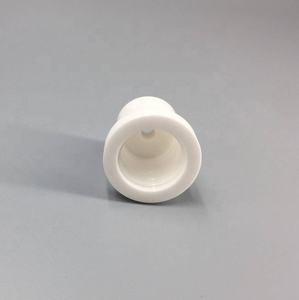


                    Concrete Foaming Agent vs. Concrete Defoamer: A Scientific Comparison of Air-Management Additives in Modern Cementitious Systems concrete additives to prevent cracking

                    1. Essential Functions and Practical Goals in Concrete Innovation

                    1.1 The Purpose and System of Concrete Foaming Professionals


                    (Concrete foaming agent)

                    Concrete frothing agents are specialized chemical admixtures designed to deliberately introduce and stabilize a controlled volume of air bubbles within the fresh concrete matrix.

                    These representatives function by reducing the surface stress of the mixing water, enabling the development of penalty, uniformly dispersed air spaces throughout mechanical frustration or blending.

                    The main objective is to generate cellular concrete or lightweight concrete, where the entrained air bubbles considerably reduce the general density of the hardened material while preserving adequate structural integrity.

                    Frothing representatives are usually based upon protein-derived surfactants (such as hydrolyzed keratin from animal results) or synthetic surfactants (including alkyl sulfonates, ethoxylated alcohols, or fat derivatives), each offering distinct bubble security and foam framework qualities.

                    The produced foam needs to be secure enough to endure the blending, pumping, and first setting stages without extreme coalescence or collapse, ensuring a homogeneous mobile structure in the final product.

                    This crafted porosity enhances thermal insulation, decreases dead tons, and enhances fire resistance, making foamed concrete ideal for applications such as insulating flooring screeds, void dental filling, and premade lightweight panels.

                    1.2 The Function and System of Concrete Defoamers

                    On the other hand, concrete defoamers (additionally referred to as anti-foaming representatives) are formulated to eliminate or minimize undesirable entrapped air within the concrete mix.

                    During mixing, transportation, and positioning, air can come to be inadvertently allured in the cement paste due to agitation, specifically in very fluid or self-consolidating concrete (SCC) systems with high superplasticizer web content.

                    These allured air bubbles are typically irregular in size, inadequately distributed, and detrimental to the mechanical and visual residential properties of the hard concrete.

                    Defoamers work by destabilizing air bubbles at the air-liquid interface, advertising coalescence and tear of the thin liquid movies bordering the bubbles.


                    ( Concrete foaming agent)

                    They are typically composed of insoluble oils (such as mineral or veggie oils), siloxane-based polymers (e.g., polydimethylsiloxane), or strong particles like hydrophobic silica, which pass through the bubble movie and increase drainage and collapse.

                    By lowering air web content– usually from problematic levels over 5% to 1– 2%– defoamers boost compressive stamina, improve surface finish, and rise resilience by decreasing leaks in the structure and prospective freeze-thaw susceptability.

                    2. Chemical Make-up and Interfacial Habits

                    2.1 Molecular Architecture of Foaming Professionals

                    The effectiveness of a concrete lathering agent is closely connected to its molecular structure and interfacial task.

                    Protein-based lathering representatives rely upon long-chain polypeptides that unfold at the air-water user interface, developing viscoelastic films that withstand rupture and offer mechanical stamina to the bubble wall surfaces.

                    These all-natural surfactants generate reasonably big but steady bubbles with good perseverance, making them ideal for structural lightweight concrete.

                    Synthetic frothing agents, on the other hand, offer better consistency and are much less sensitive to variants in water chemistry or temperature level.

                    They form smaller, a lot more uniform bubbles as a result of their lower surface stress and faster adsorption kinetics, leading to finer pore frameworks and boosted thermal performance.

                    The crucial micelle concentration (CMC) and hydrophilic-lipophilic balance (HLB) of the surfactant identify its effectiveness in foam generation and security under shear and cementitious alkalinity.

                    2.2 Molecular Style of Defoamers

                    Defoamers operate through an essentially different device, depending on immiscibility and interfacial conflict.

                    Silicone-based defoamers, especially polydimethylsiloxane (PDMS), are very effective because of their very reduced surface tension (~ 20– 25 mN/m), which allows them to spread out quickly throughout the surface of air bubbles.

                    When a defoamer droplet get in touches with a bubble film, it creates a “bridge” in between the two surfaces of the movie, inducing dewetting and rupture.

                    Oil-based defoamers work likewise but are less effective in highly fluid blends where quick diffusion can weaken their action.

                    Crossbreed defoamers including hydrophobic particles improve performance by giving nucleation websites for bubble coalescence.

                    Unlike lathering agents, defoamers need to be sparingly soluble to stay active at the user interface without being integrated into micelles or dissolved into the mass stage.

                    3. Impact on Fresh and Hardened Concrete Quality

                    3.1 Impact of Foaming Representatives on Concrete Efficiency

                    The calculated introduction of air using lathering agents changes the physical nature of concrete, shifting it from a thick composite to a porous, lightweight product.

                    Thickness can be lowered from a normal 2400 kg/m two to as reduced as 400– 800 kg/m THREE, depending upon foam quantity and security.

                    This decrease straight associates with lower thermal conductivity, making foamed concrete an effective shielding product with U-values appropriate for developing envelopes.

                    Nevertheless, the raised porosity additionally results in a reduction in compressive stamina, demanding cautious dose control and typically the incorporation of supplementary cementitious materials (SCMs) like fly ash or silica fume to boost pore wall surface toughness.

                    Workability is typically high because of the lubricating impact of bubbles, yet partition can take place if foam stability is poor.

                    3.2 Influence of Defoamers on Concrete Performance

                    Defoamers improve the high quality of conventional and high-performance concrete by getting rid of problems caused by entrapped air.

                    Too much air gaps act as stress and anxiety concentrators and lower the efficient load-bearing cross-section, resulting in reduced compressive and flexural strength.

                    By decreasing these voids, defoamers can increase compressive strength by 10– 20%, particularly in high-strength blends where every volume percent of air issues.

                    They also boost surface area high quality by stopping matching, bug holes, and honeycombing, which is crucial in architectural concrete and form-facing applications.

                    In impermeable structures such as water storage tanks or cellars, reduced porosity improves resistance to chloride ingress and carbonation, expanding service life.

                    4. Application Contexts and Compatibility Considerations

                    4.1 Regular Usage Cases for Foaming Agents

                    Foaming representatives are essential in the manufacturing of mobile concrete utilized in thermal insulation layers, roofing system decks, and precast light-weight blocks.

                    They are also used in geotechnical applications such as trench backfilling and void stablizing, where low thickness prevents overloading of underlying dirts.

                    In fire-rated assemblies, the protecting residential properties of foamed concrete supply passive fire protection for architectural aspects.

                    The success of these applications depends upon precise foam generation tools, steady frothing agents, and appropriate mixing procedures to make sure consistent air circulation.

                    4.2 Regular Usage Situations for Defoamers

                    Defoamers are commonly used in self-consolidating concrete (SCC), where high fluidity and superplasticizer content boost the threat of air entrapment.

                    They are additionally essential in precast and architectural concrete, where surface coating is paramount, and in underwater concrete placement, where entraped air can compromise bond and resilience.

                    Defoamers are typically added in tiny dosages (0.01– 0.1% by weight of concrete) and must be compatible with various other admixtures, specifically polycarboxylate ethers (PCEs), to stay clear of unfavorable communications.

                    Finally, concrete foaming agents and defoamers stand for 2 opposing yet just as important techniques in air monitoring within cementitious systems.

                    While lathering agents purposely present air to attain light-weight and shielding residential properties, defoamers remove unwanted air to boost strength and surface top quality.

                    Recognizing their distinct chemistries, mechanisms, and results allows engineers and manufacturers to enhance concrete efficiency for a large range of architectural, useful, and aesthetic needs.

                    Provider

                    Cabr-Concrete is a supplier of Concrete Admixture with over 12 years of experience in nano-building energy conservation and nanotechnology development. It accepts payment via Credit Card, T/T, West Union and Paypal. TRUNNANO will ship the goods to customers overseas through FedEx, DHL, by air, or by sea. If you are looking for high quality Concrete Admixture, please feel free to contact us and send an inquiry.
                    Tags: concrete foaming agent,concrete foaming agent price,foaming agent for concrete

                    All articles and pictures are from the Internet. If there are any copyright issues, please contact us in time to delete.

                    Inquiry us