Wednesday, July 29, 2026
Home Blog Page 16

Alumina Ceramics: Bridging the Gap Between Structural Integrity and Functional Versatility in Modern Engineering colloidal alumina

1. The Material Structure and Crystallographic Identity of Alumina Ceramics

1.1 Atomic Design and Stage Stability


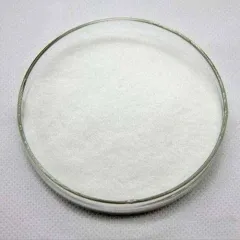
(Alumina Ceramics)

Alumina ceramics, largely composed of aluminum oxide (Al ₂ O FOUR), stand for among the most extensively utilized classes of advanced ceramics as a result of their phenomenal equilibrium of mechanical stamina, thermal strength, and chemical inertness.

At the atomic degree, the performance of alumina is rooted in its crystalline structure, with the thermodynamically steady alpha phase (α-Al two O FOUR) being the dominant form used in engineering applications.

This stage adopts a rhombohedral crystal system within the hexagonal close-packed (HCP) lattice, where oxygen anions develop a thick arrangement and light weight aluminum cations occupy two-thirds of the octahedral interstitial sites.

The resulting structure is extremely secure, adding to alumina’s high melting point of approximately 2072 ° C and its resistance to decay under extreme thermal and chemical conditions.

While transitional alumina phases such as gamma (γ), delta (δ), and theta (θ) exist at lower temperatures and exhibit higher surface, they are metastable and irreversibly change into the alpha phase upon home heating above 1100 ° C, making α-Al two O ₃ the unique stage for high-performance structural and practical elements.

1.2 Compositional Grading and Microstructural Engineering

The residential properties of alumina porcelains are not repaired but can be customized with regulated variants in pureness, grain dimension, and the addition of sintering help.

High-purity alumina (≥ 99.5% Al ₂ O FIVE) is employed in applications demanding maximum mechanical toughness, electric insulation, and resistance to ion diffusion, such as in semiconductor handling and high-voltage insulators.

Lower-purity qualities (varying from 85% to 99% Al ₂ O FOUR) frequently integrate additional stages like mullite (3Al ₂ O THREE · 2SiO ₂) or glassy silicates, which enhance sinterability and thermal shock resistance at the cost of solidity and dielectric performance.

A critical consider efficiency optimization is grain dimension control; fine-grained microstructures, accomplished with the addition of magnesium oxide (MgO) as a grain growth prevention, significantly improve crack toughness and flexural strength by limiting crack breeding.

Porosity, also at reduced levels, has a damaging effect on mechanical integrity, and fully thick alumina ceramics are typically created through pressure-assisted sintering techniques such as hot pushing or hot isostatic pushing (HIP).

The interplay in between structure, microstructure, and handling defines the practical envelope within which alumina porcelains operate, allowing their usage throughout a huge spectrum of industrial and technical domains.


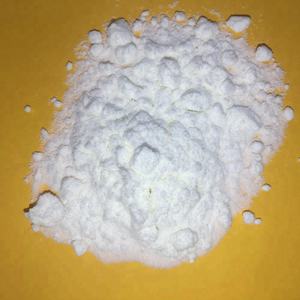
( Alumina Ceramics)

2. Mechanical and Thermal Performance in Demanding Environments

2.1 Strength, Solidity, and Put On Resistance

Alumina ceramics show a special mix of high solidity and moderate crack durability, making them optimal for applications including rough wear, erosion, and impact.

With a Vickers solidity generally varying from 15 to 20 Grade point average, alumina rankings amongst the hardest engineering products, gone beyond just by diamond, cubic boron nitride, and particular carbides.

This extreme firmness equates right into outstanding resistance to damaging, grinding, and fragment impingement, which is exploited in components such as sandblasting nozzles, cutting tools, pump seals, and wear-resistant liners.

Flexural stamina values for dense alumina range from 300 to 500 MPa, depending on pureness and microstructure, while compressive strength can surpass 2 GPa, allowing alumina components to stand up to high mechanical loads without contortion.

In spite of its brittleness– an usual characteristic amongst porcelains– alumina’s efficiency can be maximized through geometric style, stress-relief features, and composite support approaches, such as the unification of zirconia particles to generate makeover toughening.

2.2 Thermal Habits and Dimensional Security

The thermal homes of alumina porcelains are central to their use in high-temperature and thermally cycled atmospheres.

With a thermal conductivity of 20– 30 W/m · K– more than many polymers and similar to some metals– alumina successfully dissipates warmth, making it suitable for heat sinks, protecting substratums, and heating system parts.

Its reduced coefficient of thermal expansion (~ 8 × 10 ⁻⁶/ K) ensures very little dimensional change during cooling and heating, minimizing the danger of thermal shock splitting.

This stability is particularly valuable in applications such as thermocouple protection tubes, spark plug insulators, and semiconductor wafer taking care of systems, where exact dimensional control is crucial.

Alumina maintains its mechanical stability as much as temperatures of 1600– 1700 ° C in air, past which creep and grain border gliding may initiate, depending on pureness and microstructure.

In vacuum cleaner or inert atmospheres, its efficiency extends also further, making it a preferred product for space-based instrumentation and high-energy physics experiments.

3. Electrical and Dielectric Qualities for Advanced Technologies

3.1 Insulation and High-Voltage Applications

Among one of the most substantial practical characteristics of alumina porcelains is their superior electrical insulation ability.

With a quantity resistivity going beyond 10 ¹⁴ Ω · centimeters at area temperature and a dielectric toughness of 10– 15 kV/mm, alumina functions as a trustworthy insulator in high-voltage systems, consisting of power transmission devices, switchgear, and digital packaging.

Its dielectric consistent (εᵣ ≈ 9– 10 at 1 MHz) is reasonably steady throughout a wide frequency array, making it ideal for use in capacitors, RF parts, and microwave substrates.

Reduced dielectric loss (tan δ < 0.0005) makes sure marginal power dissipation in rotating current (AIR CONDITIONING) applications, enhancing system efficiency and decreasing warmth generation.

In printed circuit boards (PCBs) and crossbreed microelectronics, alumina substrates supply mechanical support and electrical seclusion for conductive traces, enabling high-density circuit combination in severe atmospheres.

3.2 Performance in Extreme and Sensitive Settings

Alumina ceramics are distinctively fit for usage in vacuum, cryogenic, and radiation-intensive environments because of their reduced outgassing prices and resistance to ionizing radiation.

In particle accelerators and blend reactors, alumina insulators are utilized to separate high-voltage electrodes and diagnostic sensors without presenting pollutants or degrading under long term radiation direct exposure.

Their non-magnetic nature also makes them excellent for applications including solid electromagnetic fields, such as magnetic resonance imaging (MRI) systems and superconducting magnets.

Additionally, alumina’s biocompatibility and chemical inertness have led to its adoption in medical gadgets, consisting of dental implants and orthopedic elements, where lasting security and non-reactivity are critical.

4. Industrial, Technological, and Emerging Applications

4.1 Function in Industrial Equipment and Chemical Processing

Alumina porcelains are thoroughly used in commercial tools where resistance to use, rust, and heats is crucial.

Parts such as pump seals, valve seats, nozzles, and grinding media are frequently fabricated from alumina due to its capacity to hold up against rough slurries, hostile chemicals, and raised temperatures.

In chemical handling plants, alumina linings secure reactors and pipes from acid and alkali attack, prolonging tools life and lowering upkeep costs.

Its inertness also makes it ideal for use in semiconductor manufacture, where contamination control is important; alumina chambers and wafer watercrafts are revealed to plasma etching and high-purity gas environments without leaching contaminations.

4.2 Combination right into Advanced Manufacturing and Future Technologies

Past typical applications, alumina porcelains are playing a significantly essential duty in emerging technologies.

In additive production, alumina powders are utilized in binder jetting and stereolithography (SHANTY TOWN) processes to produce facility, high-temperature-resistant elements for aerospace and power systems.

Nanostructured alumina films are being explored for catalytic supports, sensing units, and anti-reflective layers as a result of their high surface area and tunable surface chemistry.

Additionally, alumina-based composites, such as Al Two O SIX-ZrO Two or Al Two O FIVE-SiC, are being established to get over the integral brittleness of monolithic alumina, offering boosted sturdiness and thermal shock resistance for next-generation architectural products.

As industries continue to press the borders of efficiency and dependability, alumina ceramics continue to be at the center of material innovation, connecting the gap in between structural effectiveness and functional versatility.

In summary, alumina porcelains are not merely a course of refractory products but a cornerstone of contemporary design, making it possible for technological development across energy, electronic devices, health care, and commercial automation.

Their one-of-a-kind mix of residential or commercial properties– rooted in atomic structure and fine-tuned with advanced handling– guarantees their ongoing significance in both established and emerging applications.

As product scientific research evolves, alumina will unquestionably stay an essential enabler of high-performance systems operating at the edge of physical and ecological extremes.

5. Provider

Alumina Technology Co., Ltd focus on the research and development, production and sales of aluminum oxide powder, aluminum oxide products, aluminum oxide crucible, etc., serving the electronics, ceramics, chemical and other industries. Since its establishment in 2005, the company has been committed to providing customers with the best products and services. If you are looking for high quality colloidal alumina, please feel free to contact us. (nanotrun@yahoo.com)
Tags: Alumina Ceramics, alumina, aluminum oxide

All articles and pictures are from the Internet. If there are any copyright issues, please contact us in time to delete.

Inquiry us


    Silicon Carbide Ceramics: The Science and Engineering of a High-Performance Material for Extreme Environments silicon nitride ceramic

    1. Fundamental Structure and Polymorphism of Silicon Carbide

    1.1 Crystal Chemistry and Polytypic Diversity


    (Silicon Carbide Ceramics)

    Silicon carbide (SiC) is a covalently bonded ceramic material composed of silicon and carbon atoms organized in a tetrahedral coordination, creating an extremely steady and robust crystal latticework.

    Unlike many traditional ceramics, SiC does not have a solitary, unique crystal structure; rather, it displays a remarkable sensation called polytypism, where the very same chemical structure can crystallize right into over 250 distinctive polytypes, each differing in the stacking series of close-packed atomic layers.

    One of the most highly considerable polytypes are 3C-SiC (cubic, zinc blende structure), 4H-SiC, and 6H-SiC (both hexagonal), each supplying various electronic, thermal, and mechanical homes.

    3C-SiC, likewise referred to as beta-SiC, is generally created at lower temperatures and is metastable, while 4H and 6H polytypes, described as alpha-SiC, are more thermally steady and frequently used in high-temperature and digital applications.

    This architectural diversity allows for targeted material option based on the designated application, whether it be in power electronics, high-speed machining, or extreme thermal environments.

    1.2 Bonding Qualities and Resulting Feature

    The stamina of SiC stems from its strong covalent Si-C bonds, which are brief in length and very directional, causing a stiff three-dimensional network.

    This bonding setup gives remarkable mechanical residential or commercial properties, including high hardness (usually 25– 30 GPa on the Vickers scale), outstanding flexural strength (approximately 600 MPa for sintered types), and good crack sturdiness relative to other ceramics.

    The covalent nature likewise contributes to SiC’s exceptional thermal conductivity, which can reach 120– 490 W/m · K depending on the polytype and pureness– equivalent to some metals and far surpassing most architectural ceramics.

    In addition, SiC shows a reduced coefficient of thermal expansion, around 4.0– 5.6 × 10 ⁻⁶/ K, which, when integrated with high thermal conductivity, provides it extraordinary thermal shock resistance.

    This indicates SiC parts can undertake quick temperature level modifications without cracking, a crucial characteristic in applications such as heating system elements, warmth exchangers, and aerospace thermal security systems.

    2. Synthesis and Handling Methods for Silicon Carbide Ceramics


    ( Silicon Carbide Ceramics)

    2.1 Key Production Approaches: From Acheson to Advanced Synthesis

    The industrial manufacturing of silicon carbide go back to the late 19th century with the invention of the Acheson process, a carbothermal reduction method in which high-purity silica (SiO ₂) and carbon (normally petroleum coke) are heated to temperatures over 2200 ° C in an electric resistance heating system.

    While this approach stays commonly utilized for producing coarse SiC powder for abrasives and refractories, it yields product with contaminations and irregular particle morphology, restricting its use in high-performance porcelains.

    Modern developments have led to alternative synthesis courses such as chemical vapor deposition (CVD), which generates ultra-high-purity, single-crystal SiC for semiconductor applications, and laser-assisted or plasma-enhanced synthesis for nanoscale powders.

    These innovative techniques enable accurate control over stoichiometry, bit size, and phase purity, essential for customizing SiC to particular design demands.

    2.2 Densification and Microstructural Control

    Among the greatest obstacles in manufacturing SiC ceramics is attaining complete densification as a result of its solid covalent bonding and reduced self-diffusion coefficients, which prevent standard sintering.

    To overcome this, numerous specialized densification methods have actually been developed.

    Response bonding includes infiltrating a porous carbon preform with molten silicon, which responds to develop SiC sitting, leading to a near-net-shape element with very little contraction.

    Pressureless sintering is achieved by including sintering help such as boron and carbon, which advertise grain limit diffusion and get rid of pores.

    Warm pressing and hot isostatic pushing (HIP) apply exterior stress throughout heating, enabling complete densification at lower temperature levels and producing materials with superior mechanical properties.

    These handling approaches make it possible for the construction of SiC elements with fine-grained, uniform microstructures, essential for maximizing strength, use resistance, and dependability.

    3. Practical Efficiency and Multifunctional Applications

    3.1 Thermal and Mechanical Resilience in Extreme Environments

    Silicon carbide porcelains are distinctively matched for operation in extreme conditions as a result of their ability to maintain structural honesty at heats, resist oxidation, and hold up against mechanical wear.

    In oxidizing atmospheres, SiC forms a safety silica (SiO ₂) layer on its surface, which slows down additional oxidation and enables continuous usage at temperature levels as much as 1600 ° C.

    This oxidation resistance, incorporated with high creep resistance, makes SiC perfect for elements in gas generators, combustion chambers, and high-efficiency warmth exchangers.

    Its extraordinary hardness and abrasion resistance are manipulated in commercial applications such as slurry pump components, sandblasting nozzles, and cutting tools, where metal choices would rapidly deteriorate.

    Furthermore, SiC’s reduced thermal expansion and high thermal conductivity make it a recommended material for mirrors precede telescopes and laser systems, where dimensional security under thermal biking is vital.

    3.2 Electric and Semiconductor Applications

    Beyond its structural energy, silicon carbide plays a transformative role in the field of power electronic devices.

    4H-SiC, specifically, has a wide bandgap of approximately 3.2 eV, allowing devices to operate at higher voltages, temperature levels, and switching frequencies than traditional silicon-based semiconductors.

    This leads to power gadgets– such as Schottky diodes, MOSFETs, and JFETs– with considerably lowered energy losses, smaller sized dimension, and enhanced effectiveness, which are now widely used in electric cars, renewable energy inverters, and smart grid systems.

    The high breakdown electric area of SiC (about 10 times that of silicon) enables thinner drift layers, minimizing on-resistance and improving gadget performance.

    In addition, SiC’s high thermal conductivity assists dissipate warm successfully, minimizing the demand for large cooling systems and allowing more small, trusted electronic components.

    4. Emerging Frontiers and Future Outlook in Silicon Carbide Technology

    4.1 Assimilation in Advanced Energy and Aerospace Systems

    The continuous change to clean power and amazed transportation is driving unprecedented demand for SiC-based elements.

    In solar inverters, wind power converters, and battery monitoring systems, SiC tools add to higher power conversion efficiency, directly decreasing carbon emissions and functional expenses.

    In aerospace, SiC fiber-reinforced SiC matrix composites (SiC/SiC CMCs) are being established for turbine blades, combustor linings, and thermal protection systems, offering weight financial savings and performance gains over nickel-based superalloys.

    These ceramic matrix composites can operate at temperatures surpassing 1200 ° C, enabling next-generation jet engines with greater thrust-to-weight ratios and boosted gas effectiveness.

    4.2 Nanotechnology and Quantum Applications

    At the nanoscale, silicon carbide exhibits one-of-a-kind quantum properties that are being explored for next-generation technologies.

    Particular polytypes of SiC host silicon openings and divacancies that act as spin-active defects, working as quantum bits (qubits) for quantum computer and quantum noticing applications.

    These problems can be optically initialized, adjusted, and review out at room temperature level, a substantial benefit over several other quantum systems that call for cryogenic conditions.

    In addition, SiC nanowires and nanoparticles are being examined for use in field exhaust gadgets, photocatalysis, and biomedical imaging because of their high element ratio, chemical stability, and tunable electronic residential properties.

    As study advances, the combination of SiC right into crossbreed quantum systems and nanoelectromechanical gadgets (NEMS) guarantees to expand its role beyond conventional design domain names.

    4.3 Sustainability and Lifecycle Factors To Consider

    The manufacturing of SiC is energy-intensive, especially in high-temperature synthesis and sintering procedures.

    Nevertheless, the long-lasting advantages of SiC elements– such as extensive service life, reduced upkeep, and improved system efficiency– often outweigh the preliminary ecological impact.

    Initiatives are underway to establish more sustainable production routes, consisting of microwave-assisted sintering, additive production (3D printing) of SiC, and recycling of SiC waste from semiconductor wafer handling.

    These developments intend to reduce energy usage, lessen product waste, and sustain the circular economy in sophisticated products industries.

    Finally, silicon carbide ceramics represent a keystone of contemporary materials scientific research, linking the void in between structural sturdiness and practical versatility.

    From enabling cleaner power systems to powering quantum innovations, SiC continues to redefine the boundaries of what is possible in engineering and science.

    As handling strategies progress and brand-new applications arise, the future of silicon carbide continues to be extremely bright.

    5. Vendor

    Advanced Ceramics founded on October 17, 2012, is a high-tech enterprise committed to the research and development, production, processing, sales and technical services of ceramic relative materials and products. Our products includes but not limited to Boron Carbide Ceramic Products, Boron Nitride Ceramic Products, Silicon Carbide Ceramic Products, Silicon Nitride Ceramic Products, Zirconium Dioxide Ceramic Products, etc. If you are interested, please feel free to contact us.(nanotrun@yahoo.com)
    Tags: Silicon Carbide Ceramics,silicon carbide,silicon carbide price

    All articles and pictures are from the Internet. If there are any copyright issues, please contact us in time to delete.

    Inquiry us


      Concrete Foaming Agent vs. Concrete Defoamer: A Scientific Comparison of Air-Management Additives in Modern Cementitious Systems concrete additives to prevent cracking

      1. Essential Functions and Practical Goals in Concrete Innovation

      1.1 The Purpose and System of Concrete Foaming Professionals


      (Concrete foaming agent)

      Concrete frothing agents are specialized chemical admixtures designed to deliberately introduce and stabilize a controlled volume of air bubbles within the fresh concrete matrix.

      These representatives function by reducing the surface stress of the mixing water, enabling the development of penalty, uniformly dispersed air spaces throughout mechanical frustration or blending.

      The main objective is to generate cellular concrete or lightweight concrete, where the entrained air bubbles considerably reduce the general density of the hardened material while preserving adequate structural integrity.

      Frothing representatives are usually based upon protein-derived surfactants (such as hydrolyzed keratin from animal results) or synthetic surfactants (including alkyl sulfonates, ethoxylated alcohols, or fat derivatives), each offering distinct bubble security and foam framework qualities.

      The produced foam needs to be secure enough to endure the blending, pumping, and first setting stages without extreme coalescence or collapse, ensuring a homogeneous mobile structure in the final product.

      This crafted porosity enhances thermal insulation, decreases dead tons, and enhances fire resistance, making foamed concrete ideal for applications such as insulating flooring screeds, void dental filling, and premade lightweight panels.

      1.2 The Function and System of Concrete Defoamers

      On the other hand, concrete defoamers (additionally referred to as anti-foaming representatives) are formulated to eliminate or minimize undesirable entrapped air within the concrete mix.

      During mixing, transportation, and positioning, air can come to be inadvertently allured in the cement paste due to agitation, specifically in very fluid or self-consolidating concrete (SCC) systems with high superplasticizer web content.

      These allured air bubbles are typically irregular in size, inadequately distributed, and detrimental to the mechanical and visual residential properties of the hard concrete.

      Defoamers work by destabilizing air bubbles at the air-liquid interface, advertising coalescence and tear of the thin liquid movies bordering the bubbles.


      ( Concrete foaming agent)

      They are typically composed of insoluble oils (such as mineral or veggie oils), siloxane-based polymers (e.g., polydimethylsiloxane), or strong particles like hydrophobic silica, which pass through the bubble movie and increase drainage and collapse.

      By lowering air web content– usually from problematic levels over 5% to 1– 2%– defoamers boost compressive stamina, improve surface finish, and rise resilience by decreasing leaks in the structure and prospective freeze-thaw susceptability.

      2. Chemical Make-up and Interfacial Habits

      2.1 Molecular Architecture of Foaming Professionals

      The effectiveness of a concrete lathering agent is closely connected to its molecular structure and interfacial task.

      Protein-based lathering representatives rely upon long-chain polypeptides that unfold at the air-water user interface, developing viscoelastic films that withstand rupture and offer mechanical stamina to the bubble wall surfaces.

      These all-natural surfactants generate reasonably big but steady bubbles with good perseverance, making them ideal for structural lightweight concrete.

      Synthetic frothing agents, on the other hand, offer better consistency and are much less sensitive to variants in water chemistry or temperature level.

      They form smaller, a lot more uniform bubbles as a result of their lower surface stress and faster adsorption kinetics, leading to finer pore frameworks and boosted thermal performance.

      The crucial micelle concentration (CMC) and hydrophilic-lipophilic balance (HLB) of the surfactant identify its effectiveness in foam generation and security under shear and cementitious alkalinity.

      2.2 Molecular Style of Defoamers

      Defoamers operate through an essentially different device, depending on immiscibility and interfacial conflict.

      Silicone-based defoamers, especially polydimethylsiloxane (PDMS), are very effective because of their very reduced surface tension (~ 20– 25 mN/m), which allows them to spread out quickly throughout the surface of air bubbles.

      When a defoamer droplet get in touches with a bubble film, it creates a “bridge” in between the two surfaces of the movie, inducing dewetting and rupture.

      Oil-based defoamers work likewise but are less effective in highly fluid blends where quick diffusion can weaken their action.

      Crossbreed defoamers including hydrophobic particles improve performance by giving nucleation websites for bubble coalescence.

      Unlike lathering agents, defoamers need to be sparingly soluble to stay active at the user interface without being integrated into micelles or dissolved into the mass stage.

      3. Impact on Fresh and Hardened Concrete Quality

      3.1 Impact of Foaming Representatives on Concrete Efficiency

      The calculated introduction of air using lathering agents changes the physical nature of concrete, shifting it from a thick composite to a porous, lightweight product.

      Thickness can be lowered from a normal 2400 kg/m two to as reduced as 400– 800 kg/m THREE, depending upon foam quantity and security.

      This decrease straight associates with lower thermal conductivity, making foamed concrete an effective shielding product with U-values appropriate for developing envelopes.

      Nevertheless, the raised porosity additionally results in a reduction in compressive stamina, demanding cautious dose control and typically the incorporation of supplementary cementitious materials (SCMs) like fly ash or silica fume to boost pore wall surface toughness.

      Workability is typically high because of the lubricating impact of bubbles, yet partition can take place if foam stability is poor.

      3.2 Influence of Defoamers on Concrete Performance

      Defoamers improve the high quality of conventional and high-performance concrete by getting rid of problems caused by entrapped air.

      Too much air gaps act as stress and anxiety concentrators and lower the efficient load-bearing cross-section, resulting in reduced compressive and flexural strength.

      By decreasing these voids, defoamers can increase compressive strength by 10– 20%, particularly in high-strength blends where every volume percent of air issues.

      They also boost surface area high quality by stopping matching, bug holes, and honeycombing, which is crucial in architectural concrete and form-facing applications.

      In impermeable structures such as water storage tanks or cellars, reduced porosity improves resistance to chloride ingress and carbonation, expanding service life.

      4. Application Contexts and Compatibility Considerations

      4.1 Regular Usage Cases for Foaming Agents

      Foaming representatives are essential in the manufacturing of mobile concrete utilized in thermal insulation layers, roofing system decks, and precast light-weight blocks.

      They are also used in geotechnical applications such as trench backfilling and void stablizing, where low thickness prevents overloading of underlying dirts.

      In fire-rated assemblies, the protecting residential properties of foamed concrete supply passive fire protection for architectural aspects.

      The success of these applications depends upon precise foam generation tools, steady frothing agents, and appropriate mixing procedures to make sure consistent air circulation.

      4.2 Regular Usage Situations for Defoamers

      Defoamers are commonly used in self-consolidating concrete (SCC), where high fluidity and superplasticizer content boost the threat of air entrapment.

      They are additionally essential in precast and architectural concrete, where surface coating is paramount, and in underwater concrete placement, where entraped air can compromise bond and resilience.

      Defoamers are typically added in tiny dosages (0.01– 0.1% by weight of concrete) and must be compatible with various other admixtures, specifically polycarboxylate ethers (PCEs), to stay clear of unfavorable communications.

      Finally, concrete foaming agents and defoamers stand for 2 opposing yet just as important techniques in air monitoring within cementitious systems.

      While lathering agents purposely present air to attain light-weight and shielding residential properties, defoamers remove unwanted air to boost strength and surface top quality.

      Recognizing their distinct chemistries, mechanisms, and results allows engineers and manufacturers to enhance concrete efficiency for a large range of architectural, useful, and aesthetic needs.

      Provider

      Cabr-Concrete is a supplier of Concrete Admixture with over 12 years of experience in nano-building energy conservation and nanotechnology development. It accepts payment via Credit Card, T/T, West Union and Paypal. TRUNNANO will ship the goods to customers overseas through FedEx, DHL, by air, or by sea. If you are looking for high quality Concrete Admixture, please feel free to contact us and send an inquiry.
      Tags: concrete foaming agent,concrete foaming agent price,foaming agent for concrete

      All articles and pictures are from the Internet. If there are any copyright issues, please contact us in time to delete.

      Inquiry us


        Aerogel Insulation Coatings: Revolutionizing Thermal Management through Nanoscale Engineering silica aerogel coating

        1. The Nanoscale Architecture and Product Science of Aerogels

        1.1 Genesis and Basic Structure of Aerogel Products


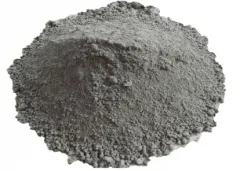
        (Aerogel Insulation Coatings)

        Aerogel insulation finishes stand for a transformative innovation in thermal management modern technology, rooted in the unique nanostructure of aerogels– ultra-lightweight, permeable materials originated from gels in which the liquid component is changed with gas without collapsing the solid network.

        First created in the 1930s by Samuel Kistler, aerogels continued to be largely laboratory inquisitiveness for decades as a result of fragility and high manufacturing costs.

        However, current advancements in sol-gel chemistry and drying out methods have actually allowed the combination of aerogel fragments into versatile, sprayable, and brushable finishing solutions, opening their capacity for widespread industrial application.

        The core of aerogel’s extraordinary shielding ability depends on its nanoscale porous structure: typically made up of silica (SiO ₂), the product displays porosity going beyond 90%, with pore sizes predominantly in the 2– 50 nm variety– well below the mean totally free course of air molecules (~ 70 nm at ambient conditions).

        This nanoconfinement substantially decreases gaseous thermal transmission, as air particles can not successfully move kinetic power via accidents within such confined areas.

        All at once, the solid silica network is engineered to be highly tortuous and alternate, decreasing conductive warm transfer through the solid stage.

        The result is a material with one of the lowest thermal conductivities of any kind of strong understood– generally between 0.012 and 0.018 W/m · K at room temperature level– exceeding conventional insulation materials like mineral wool, polyurethane foam, or broadened polystyrene.

        1.2 Evolution from Monolithic Aerogels to Compound Coatings

        Early aerogels were produced as brittle, monolithic blocks, restricting their usage to niche aerospace and scientific applications.

        The change towards composite aerogel insulation finishes has actually been driven by the need for flexible, conformal, and scalable thermal barriers that can be applied to complex geometries such as pipes, shutoffs, and uneven equipment surfaces.

        Modern aerogel coatings integrate finely crushed aerogel granules (typically 1– 10 µm in diameter) distributed within polymeric binders such as acrylics, silicones, or epoxies.


        ( Aerogel Insulation Coatings)

        These hybrid formulations preserve much of the inherent thermal efficiency of pure aerogels while acquiring mechanical toughness, adhesion, and weather condition resistance.

        The binder stage, while a little enhancing thermal conductivity, offers essential communication and enables application via typical commercial techniques including splashing, rolling, or dipping.

        Most importantly, the volume portion of aerogel fragments is enhanced to stabilize insulation performance with film honesty– normally ranging from 40% to 70% by volume in high-performance formulas.

        This composite strategy protects the Knudsen impact (the reductions of gas-phase conduction in nanopores) while enabling tunable buildings such as adaptability, water repellency, and fire resistance.

        2. Thermal Efficiency and Multimodal Warmth Transfer Reductions

        2.1 Systems of Thermal Insulation at the Nanoscale

        Aerogel insulation coverings accomplish their premium efficiency by concurrently suppressing all 3 settings of warm transfer: transmission, convection, and radiation.

        Conductive warmth transfer is lessened through the combination of low solid-phase connectivity and the nanoporous structure that hampers gas molecule activity.

        Because the aerogel network consists of incredibly thin, interconnected silica hairs (frequently simply a few nanometers in size), the pathway for phonon transport (heat-carrying lattice resonances) is extremely limited.

        This architectural style effectively decouples nearby areas of the layer, minimizing thermal bridging.

        Convective heat transfer is inherently missing within the nanopores due to the lack of ability of air to create convection currents in such restricted rooms.

        Even at macroscopic scales, properly applied aerogel layers get rid of air gaps and convective loops that torment standard insulation systems, particularly in upright or overhead installments.

        Radiative heat transfer, which ends up being substantial at elevated temperature levels (> 100 ° C), is minimized through the unification of infrared opacifiers such as carbon black, titanium dioxide, or ceramic pigments.

        These ingredients boost the coating’s opacity to infrared radiation, spreading and absorbing thermal photons before they can go across the layer thickness.

        The harmony of these devices leads to a material that provides comparable insulation efficiency at a fraction of the thickness of standard materials– often accomplishing R-values (thermal resistance) several times higher each density.

        2.2 Efficiency Throughout Temperature and Environmental Conditions

        One of one of the most engaging benefits of aerogel insulation finishes is their consistent efficiency across a broad temperature range, typically varying from cryogenic temperature levels (-200 ° C) to over 600 ° C, relying on the binder system used.

        At low temperature levels, such as in LNG pipelines or refrigeration systems, aerogel layers protect against condensation and lower heat access extra successfully than foam-based alternatives.

        At high temperatures, specifically in commercial procedure equipment, exhaust systems, or power generation centers, they secure underlying substratums from thermal deterioration while decreasing power loss.

        Unlike natural foams that may break down or char, silica-based aerogel coatings stay dimensionally stable and non-combustible, adding to passive fire protection approaches.

        Moreover, their low water absorption and hydrophobic surface area treatments (commonly attained via silane functionalization) stop performance degradation in moist or damp environments– an usual failure setting for fibrous insulation.

        3. Formulation Strategies and Practical Integration in Coatings

        3.1 Binder Choice and Mechanical Property Engineering

        The option of binder in aerogel insulation finishings is crucial to balancing thermal performance with resilience and application versatility.

        Silicone-based binders use superb high-temperature stability and UV resistance, making them ideal for outdoor and commercial applications.

        Polymer binders offer great attachment to metals and concrete, along with convenience of application and reduced VOC discharges, optimal for constructing envelopes and heating and cooling systems.

        Epoxy-modified solutions enhance chemical resistance and mechanical strength, valuable in marine or destructive atmospheres.

        Formulators likewise integrate rheology modifiers, dispersants, and cross-linking representatives to ensure consistent fragment distribution, prevent working out, and boost movie development.

        Adaptability is carefully tuned to avoid cracking during thermal biking or substratum contortion, especially on vibrant structures like development joints or shaking machinery.

        3.2 Multifunctional Enhancements and Smart Finish Possible

        Past thermal insulation, modern-day aerogel coverings are being engineered with extra functionalities.

        Some solutions include corrosion-inhibiting pigments or self-healing agents that expand the lifespan of metal substratums.

        Others integrate phase-change products (PCMs) within the matrix to provide thermal power storage space, smoothing temperature level fluctuations in buildings or electronic rooms.

        Emerging study checks out the assimilation of conductive nanomaterials (e.g., carbon nanotubes) to enable in-situ surveillance of coating stability or temperature level distribution– leading the way for “smart” thermal monitoring systems.

        These multifunctional capacities placement aerogel coverings not simply as passive insulators yet as active components in intelligent facilities and energy-efficient systems.

        4. Industrial and Commercial Applications Driving Market Fostering

        4.1 Power Effectiveness in Structure and Industrial Sectors

        Aerogel insulation finishings are increasingly released in commercial buildings, refineries, and power plants to decrease energy consumption and carbon exhausts.

        Applied to heavy steam lines, central heating boilers, and warm exchangers, they significantly lower warmth loss, enhancing system effectiveness and reducing gas need.

        In retrofit circumstances, their thin profile permits insulation to be added without major structural modifications, protecting area and decreasing downtime.

        In domestic and business construction, aerogel-enhanced paints and plasters are made use of on walls, roofing systems, and home windows to improve thermal comfort and lower cooling and heating lots.

        4.2 Specific Niche and High-Performance Applications

        The aerospace, auto, and electronic devices markets take advantage of aerogel finishings for weight-sensitive and space-constrained thermal administration.

        In electric vehicles, they shield battery loads from thermal runaway and exterior heat resources.

        In electronic devices, ultra-thin aerogel layers insulate high-power parts and avoid hotspots.

        Their usage in cryogenic storage space, room habitats, and deep-sea devices highlights their integrity in extreme environments.

        As producing ranges and prices decline, aerogel insulation coatings are positioned to end up being a keystone of next-generation sustainable and resistant facilities.

        5. Distributor

        TRUNNANO is a supplier of Spherical Tungsten Powder with over 12 years of experience in nano-building energy conservation and nanotechnology development. It accepts payment via Credit Card, T/T, West Union and Paypal. Trunnano will ship the goods to customers overseas through FedEx, DHL, by air, or by sea. If you want to know more about Spherical Tungsten Powder, please feel free to contact us and send an inquiry(sales5@nanotrun.com).
        Tag: Silica Aerogel Thermal Insulation Coating, thermal insulation coating, aerogel thermal insulation

        All articles and pictures are from the Internet. If there are any copyright issues, please contact us in time to delete.

        Inquiry us


          Alumina Ceramic Rings: Engineering Precision and Performance in Advanced Industrial Applications colloidal alumina

          1. The Scientific research and Structure of Alumina Porcelain Materials

          1.1 Crystallography and Compositional Variations of Aluminum Oxide


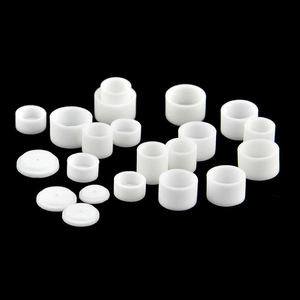
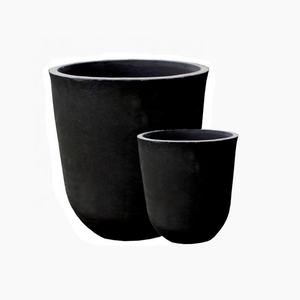
          (Alumina Ceramics Rings)

          Alumina ceramic rings are made from aluminum oxide (Al ₂ O TWO), a substance renowned for its phenomenal balance of mechanical toughness, thermal stability, and electric insulation.

          One of the most thermodynamically secure and industrially relevant phase of alumina is the alpha (α) stage, which takes shape in a hexagonal close-packed (HCP) framework coming from the corundum household.

          In this plan, oxygen ions create a thick latticework with light weight aluminum ions inhabiting two-thirds of the octahedral interstitial websites, leading to a very stable and robust atomic framework.

          While pure alumina is in theory 100% Al ₂ O FIVE, industrial-grade products often include tiny percentages of ingredients such as silica (SiO ₂), magnesia (MgO), or yttria (Y TWO O FOUR) to manage grain growth during sintering and improve densification.

          Alumina porcelains are classified by purity levels: 96%, 99%, and 99.8% Al ₂ O six prevail, with greater pureness associating to boosted mechanical residential or commercial properties, thermal conductivity, and chemical resistance.

          The microstructure– particularly grain dimension, porosity, and phase distribution– plays a vital role in determining the last performance of alumina rings in solution settings.

          1.2 Trick Physical and Mechanical Characteristic

          Alumina ceramic rings show a collection of residential properties that make them indispensable sought after commercial settings.

          They possess high compressive toughness (up to 3000 MPa), flexural toughness (usually 350– 500 MPa), and excellent hardness (1500– 2000 HV), enabling resistance to put on, abrasion, and deformation under tons.

          Their low coefficient of thermal development (roughly 7– 8 × 10 ⁻⁶/ K) makes certain dimensional security throughout vast temperature arrays, minimizing thermal anxiety and breaking during thermal biking.

          Thermal conductivity varieties from 20 to 30 W/m · K, depending on pureness, enabling modest heat dissipation– adequate for numerous high-temperature applications without the requirement for energetic cooling.


          ( Alumina Ceramics Ring)

          Electrically, alumina is an outstanding insulator with a volume resistivity surpassing 10 ¹⁴ Ω · cm and a dielectric toughness of around 10– 15 kV/mm, making it optimal for high-voltage insulation parts.

          Additionally, alumina shows outstanding resistance to chemical attack from acids, antacid, and molten steels, although it is prone to assault by solid antacid and hydrofluoric acid at elevated temperature levels.

          2. Manufacturing and Accuracy Design of Alumina Bands

          2.1 Powder Processing and Shaping Techniques

          The manufacturing of high-performance alumina ceramic rings starts with the choice and preparation of high-purity alumina powder.

          Powders are normally synthesized via calcination of light weight aluminum hydroxide or with advanced approaches like sol-gel processing to attain fine bit dimension and slim size distribution.

          To form the ring geometry, a number of forming methods are used, including:

          Uniaxial pressing: where powder is compacted in a die under high stress to develop a “eco-friendly” ring.

          Isostatic pushing: applying consistent pressure from all directions utilizing a fluid medium, causing higher thickness and even more consistent microstructure, particularly for facility or large rings.

          Extrusion: appropriate for long cylindrical types that are later on reduced right into rings, often utilized for lower-precision applications.

          Injection molding: made use of for complex geometries and limited resistances, where alumina powder is mixed with a polymer binder and injected right into a mold and mildew.

          Each technique influences the final thickness, grain placement, and defect circulation, requiring cautious procedure selection based upon application demands.

          2.2 Sintering and Microstructural Growth

          After shaping, the green rings undergo high-temperature sintering, commonly between 1500 ° C and 1700 ° C in air or regulated atmospheres.

          During sintering, diffusion mechanisms drive particle coalescence, pore elimination, and grain growth, resulting in a fully thick ceramic body.

          The rate of heating, holding time, and cooling down account are specifically controlled to avoid splitting, warping, or overstated grain growth.

          Additives such as MgO are frequently introduced to hinder grain border flexibility, causing a fine-grained microstructure that enhances mechanical toughness and dependability.

          Post-sintering, alumina rings might undertake grinding and splashing to attain limited dimensional resistances ( ± 0.01 mm) and ultra-smooth surface area coatings (Ra < 0.1 µm), critical for securing, birthing, and electrical insulation applications.

          3. Functional Efficiency and Industrial Applications

          3.1 Mechanical and Tribological Applications

          Alumina ceramic rings are widely used in mechanical systems due to their wear resistance and dimensional stability.

          Key applications include:

          Securing rings in pumps and valves, where they stand up to erosion from unpleasant slurries and harsh liquids in chemical handling and oil & gas industries.

          Birthing components in high-speed or corrosive settings where metal bearings would certainly deteriorate or need constant lubrication.

          Overview rings and bushings in automation devices, offering reduced friction and lengthy life span without the need for greasing.

          Use rings in compressors and turbines, decreasing clearance in between turning and stationary parts under high-pressure problems.

          Their capacity to maintain efficiency in completely dry or chemically aggressive atmospheres makes them superior to several metal and polymer alternatives.

          3.2 Thermal and Electric Insulation Functions

          In high-temperature and high-voltage systems, alumina rings serve as essential protecting components.

          They are used as:

          Insulators in heating elements and heating system components, where they sustain resistive wires while enduring temperature levels above 1400 ° C.

          Feedthrough insulators in vacuum cleaner and plasma systems, stopping electrical arcing while preserving hermetic seals.

          Spacers and support rings in power electronics and switchgear, separating conductive parts in transformers, circuit breakers, and busbar systems.

          Dielectric rings in RF and microwave gadgets, where their low dielectric loss and high break down toughness make sure signal honesty.

          The mix of high dielectric strength and thermal security enables alumina rings to function reliably in atmospheres where natural insulators would break down.

          4. Product Advancements and Future Expectation

          4.1 Compound and Doped Alumina Systems

          To additionally enhance performance, researchers and manufacturers are creating sophisticated alumina-based composites.

          Examples include:

          Alumina-zirconia (Al ₂ O SIX-ZrO ₂) composites, which show improved fracture toughness with change toughening devices.

          Alumina-silicon carbide (Al two O SIX-SiC) nanocomposites, where nano-sized SiC bits improve solidity, thermal shock resistance, and creep resistance.

          Rare-earth-doped alumina, which can customize grain limit chemistry to improve high-temperature stamina and oxidation resistance.

          These hybrid materials prolong the operational envelope of alumina rings into more extreme problems, such as high-stress vibrant loading or fast thermal biking.

          4.2 Emerging Trends and Technical Combination

          The future of alumina ceramic rings lies in wise combination and precision production.

          Trends consist of:

          Additive production (3D printing) of alumina elements, making it possible for complex interior geometries and personalized ring layouts previously unachievable with traditional methods.

          Useful grading, where make-up or microstructure differs throughout the ring to optimize efficiency in various areas (e.g., wear-resistant outer layer with thermally conductive core).

          In-situ surveillance using embedded sensors in ceramic rings for predictive maintenance in industrial equipment.

          Boosted use in renewable energy systems, such as high-temperature gas cells and concentrated solar power plants, where material dependability under thermal and chemical tension is paramount.

          As markets demand higher effectiveness, longer life expectancies, and decreased upkeep, alumina ceramic rings will certainly continue to play a crucial duty in enabling next-generation design services.

          5. Provider

          Alumina Technology Co., Ltd focus on the research and development, production and sales of aluminum oxide powder, aluminum oxide products, aluminum oxide crucible, etc., serving the electronics, ceramics, chemical and other industries. Since its establishment in 2005, the company has been committed to providing customers with the best products and services. If you are looking for high quality colloidal alumina, please feel free to contact us. (nanotrun@yahoo.com)
          Tags: Alumina Ceramics, alumina, aluminum oxide

          All articles and pictures are from the Internet. If there are any copyright issues, please contact us in time to delete.

          Inquiry us


            ​​The Paradox of Boron Carbide: Unlocking the Enigma of Nature’s Lightest Armor Ceramic silicon nitride ceramic

            Boron Carbide Ceramics: Introducing the Scientific Research, Quality, and Revolutionary Applications of an Ultra-Hard Advanced Product
            1. Intro to Boron Carbide: A Product at the Extremes

            Boron carbide (B FOUR C) stands as one of one of the most impressive artificial materials understood to modern products science, identified by its setting among the hardest substances on Earth, exceeded just by ruby and cubic boron nitride.


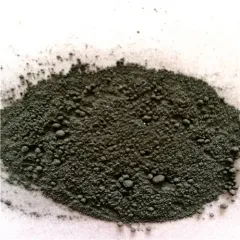
            (Boron Carbide Ceramic)

            First synthesized in the 19th century, boron carbide has actually developed from a research laboratory curiosity right into an essential component in high-performance engineering systems, protection modern technologies, and nuclear applications.

            Its unique combination of extreme solidity, reduced density, high neutron absorption cross-section, and excellent chemical security makes it indispensable in atmospheres where standard materials stop working.

            This write-up gives a thorough yet obtainable exploration of boron carbide porcelains, diving into its atomic framework, synthesis techniques, mechanical and physical residential or commercial properties, and the large range of advanced applications that leverage its extraordinary features.

            The goal is to bridge the gap in between clinical understanding and sensible application, supplying visitors a deep, organized insight right into exactly how this remarkable ceramic product is forming modern technology.

            2. Atomic Framework and Fundamental Chemistry

            2.1 Crystal Lattice and Bonding Characteristics

            Boron carbide crystallizes in a rhombohedral framework (area group R3m) with an intricate system cell that fits a variable stoichiometry, commonly ranging from B FOUR C to B ₁₀. FIVE C.

            The essential foundation of this structure are 12-atom icosahedra made up largely of boron atoms, connected by three-atom linear chains that span the crystal latticework.

            The icosahedra are very stable clusters due to solid covalent bonding within the boron network, while the inter-icosahedral chains– frequently including C-B-C or B-B-B arrangements– play a critical function in establishing the product’s mechanical and electronic residential or commercial properties.

            This distinct style leads to a product with a high level of covalent bonding (over 90%), which is straight in charge of its extraordinary hardness and thermal security.

            The existence of carbon in the chain websites enhances structural integrity, yet inconsistencies from ideal stoichiometry can introduce problems that affect mechanical performance and sinterability.


            (Boron Carbide Ceramic)

            2.2 Compositional Irregularity and Problem Chemistry

            Unlike many porcelains with repaired stoichiometry, boron carbide displays a wide homogeneity range, permitting considerable variation in boron-to-carbon proportion without disrupting the general crystal structure.

            This flexibility makes it possible for customized residential properties for certain applications, though it likewise introduces obstacles in processing and performance uniformity.

            Defects such as carbon shortage, boron openings, and icosahedral distortions prevail and can influence solidity, crack durability, and electric conductivity.

            For instance, under-stoichiometric make-ups (boron-rich) often tend to show higher solidity yet reduced fracture strength, while carbon-rich versions might show improved sinterability at the expense of hardness.

            Understanding and managing these defects is a key focus in innovative boron carbide study, specifically for enhancing performance in shield and nuclear applications.

            3. Synthesis and Processing Techniques

            3.1 Primary Manufacturing Approaches

            Boron carbide powder is largely produced with high-temperature carbothermal decrease, a procedure in which boric acid (H THREE BO SIX) or boron oxide (B TWO O FOUR) is reacted with carbon resources such as oil coke or charcoal in an electric arc furnace.

            The response proceeds as adheres to:

            B ₂ O FOUR + 7C → 2B FOUR C + 6CO (gas)

            This process occurs at temperatures exceeding 2000 ° C, requiring substantial power input.

            The resulting crude B FOUR C is after that milled and cleansed to get rid of residual carbon and unreacted oxides.

            Alternate methods include magnesiothermic reduction, laser-assisted synthesis, and plasma arc synthesis, which provide finer control over particle size and purity yet are commonly restricted to small or specialized manufacturing.

            3.2 Challenges in Densification and Sintering

            One of one of the most considerable difficulties in boron carbide ceramic production is accomplishing full densification due to its strong covalent bonding and reduced self-diffusion coefficient.

            Traditional pressureless sintering usually leads to porosity levels over 10%, drastically jeopardizing mechanical strength and ballistic efficiency.

            To conquer this, advanced densification strategies are used:

            Warm Pressing (HP): Involves synchronised application of heat (commonly 2000– 2200 ° C )and uniaxial pressure (20– 50 MPa) in an inert atmosphere, yielding near-theoretical density.

            Warm Isostatic Pressing (HIP): Uses heat and isotropic gas stress (100– 200 MPa), removing inner pores and improving mechanical integrity.

            Stimulate Plasma Sintering (SPS): Uses pulsed straight current to quickly heat the powder compact, enabling densification at reduced temperatures and shorter times, maintaining great grain framework.

            Additives such as carbon, silicon, or transition steel borides are often presented to promote grain boundary diffusion and boost sinterability, though they must be carefully controlled to stay clear of degrading hardness.

            4. Mechanical and Physical Characteristic

            4.1 Exceptional Firmness and Put On Resistance

            Boron carbide is renowned for its Vickers solidity, normally ranging from 30 to 35 Grade point average, positioning it amongst the hardest recognized products.

            This severe solidity translates right into impressive resistance to unpleasant wear, making B FOUR C suitable for applications such as sandblasting nozzles, reducing tools, and put on plates in mining and drilling tools.

            The wear device in boron carbide entails microfracture and grain pull-out as opposed to plastic contortion, a quality of weak ceramics.

            However, its low fracture sturdiness (commonly 2.5– 3.5 MPa · m 1ST / TWO) makes it susceptible to crack proliferation under influence loading, demanding careful layout in dynamic applications.

            4.2 Low Thickness and High Particular Strength

            With a thickness of about 2.52 g/cm FOUR, boron carbide is just one of the lightest structural ceramics offered, offering a substantial advantage in weight-sensitive applications.

            This reduced density, incorporated with high compressive toughness (over 4 GPa), leads to an extraordinary specific stamina (strength-to-density proportion), critical for aerospace and defense systems where lessening mass is paramount.

            As an example, in individual and car shield, B ₄ C provides superior protection per unit weight contrasted to steel or alumina, allowing lighter, extra mobile safety systems.

            4.3 Thermal and Chemical Security

            Boron carbide displays exceptional thermal stability, maintaining its mechanical homes as much as 1000 ° C in inert atmospheres.

            It has a high melting point of around 2450 ° C and a low thermal growth coefficient (~ 5.6 × 10 ⁻⁶/ K), contributing to great thermal shock resistance.

            Chemically, it is very immune to acids (except oxidizing acids like HNO TWO) and liquified steels, making it suitable for usage in rough chemical atmospheres and nuclear reactors.

            However, oxidation ends up being substantial over 500 ° C in air, developing boric oxide and carbon dioxide, which can break down surface honesty in time.

            Protective coatings or environmental protection are usually called for in high-temperature oxidizing problems.

            5. Secret Applications and Technological Effect

            5.1 Ballistic Defense and Shield Systems

            Boron carbide is a keystone product in contemporary lightweight armor as a result of its unmatched combination of hardness and low density.

            It is commonly utilized in:

            Ceramic plates for body armor (Level III and IV security).

            Vehicle shield for armed forces and law enforcement applications.

            Airplane and helicopter cockpit security.

            In composite armor systems, B ₄ C ceramic tiles are normally backed by fiber-reinforced polymers (e.g., Kevlar or UHMWPE) to absorb recurring kinetic power after the ceramic layer cracks the projectile.

            Regardless of its high solidity, B FOUR C can undertake “amorphization” under high-velocity effect, a phenomenon that restricts its effectiveness versus extremely high-energy risks, prompting continuous research right into composite alterations and hybrid ceramics.

            5.2 Nuclear Engineering and Neutron Absorption

            Among boron carbide’s most crucial duties is in nuclear reactor control and safety and security systems.

            Due to the high neutron absorption cross-section of the ¹⁰ B isotope (3837 barns for thermal neutrons), B FOUR C is used in:

            Control rods for pressurized water activators (PWRs) and boiling water activators (BWRs).

            Neutron protecting components.

            Emergency shutdown systems.

            Its ability to take in neutrons without significant swelling or destruction under irradiation makes it a preferred product in nuclear atmospheres.

            Nevertheless, helium gas generation from the ¹⁰ B(n, α)seven Li reaction can cause internal stress accumulation and microcracking over time, requiring cautious layout and tracking in lasting applications.

            5.3 Industrial and Wear-Resistant Parts

            Past protection and nuclear industries, boron carbide finds substantial usage in industrial applications requiring extreme wear resistance:

            Nozzles for rough waterjet cutting and sandblasting.

            Liners for pumps and valves managing harsh slurries.

            Reducing tools for non-ferrous products.

            Its chemical inertness and thermal security enable it to carry out accurately in hostile chemical handling settings where metal devices would certainly rust rapidly.

            6. Future Leads and Study Frontiers

            The future of boron carbide porcelains hinges on overcoming its fundamental limitations– specifically reduced crack toughness and oxidation resistance– via progressed composite layout and nanostructuring.

            Current study directions include:

            Advancement of B FOUR C-SiC, B ₄ C-TiB ₂, and B FOUR C-CNT (carbon nanotube) composites to boost sturdiness and thermal conductivity.

            Surface area adjustment and layer innovations to boost oxidation resistance.

            Additive manufacturing (3D printing) of complicated B FOUR C elements making use of binder jetting and SPS strategies.

            As materials scientific research continues to progress, boron carbide is positioned to play an also higher duty in next-generation technologies, from hypersonic lorry components to advanced nuclear fusion reactors.

            Finally, boron carbide ceramics represent a pinnacle of engineered product efficiency, incorporating extreme firmness, reduced thickness, and distinct nuclear buildings in a single substance.

            Via continual innovation in synthesis, processing, and application, this amazing product continues to press the limits of what is feasible in high-performance design.

            Distributor

            Advanced Ceramics founded on October 17, 2012, is a high-tech enterprise committed to the research and development, production, processing, sales and technical services of ceramic relative materials and products. Our products includes but not limited to Boron Carbide Ceramic Products, Boron Nitride Ceramic Products, Silicon Carbide Ceramic Products, Silicon Nitride Ceramic Products, Zirconium Dioxide Ceramic Products, etc. If you are interested, please feel free to contact us.(nanotrun@yahoo.com)
            Tags: Boron Carbide, Boron Ceramic, Boron Carbide Ceramic

            All articles and pictures are from the Internet. If there are any copyright issues, please contact us in time to delete.

            Inquiry us


              Brighter, Cleaner Concrete: The Rutile TiO₂ Revolution by Cabr-Concrete titanium dioxide bad for you

              Establishing and Vision of Cabr-Concrete

              Cabr-Concrete was developed in 2013 with a calculated concentrate on advancing concrete modern technology with nanotechnology and energy-efficient structure options.


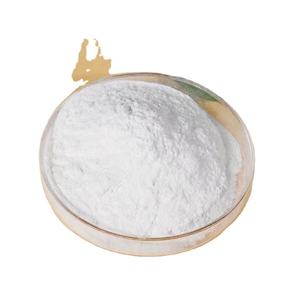
              (Rutile Type Titanium Dioxide)

              With over 12 years of committed experience, the business has actually become a relied on distributor of high-performance concrete admixtures, integrating nanomaterials to enhance resilience, visual appeals, and useful buildings of contemporary building materials.

              Acknowledging the growing demand for sustainable and visually remarkable architectural concrete, Cabr-Concrete established a specialized Rutile Kind Titanium Dioxide (TiO TWO) admixture that combines photocatalytic task with extraordinary whiteness and UV stability.

              This innovation reflects the firm’s dedication to combining product scientific research with sensible building and construction demands, making it possible for designers and engineers to achieve both structural integrity and aesthetic excellence.

              Worldwide Demand and Practical Value

              Rutile Kind Titanium Dioxide has actually become an essential additive in premium architectural concrete, especially for façades, precast elements, and city framework where self-cleaning, anti-pollution, and long-term color retention are important.

              Its photocatalytic buildings enable the break down of natural pollutants and airborne impurities under sunlight, contributing to boosted air high quality and reduced upkeep expenses in metropolitan atmospheres. The international market for functional concrete ingredients, specifically TiO ₂-based items, has actually broadened swiftly, driven by green structure requirements and the surge of photocatalytic building and construction materials.

              Cabr-Concrete’s Rutile TiO two formulation is crafted particularly for seamless combination right into cementitious systems, making sure optimum diffusion, sensitivity, and efficiency in both fresh and hardened concrete.

              Process Technology and Material Optimization

              A vital challenge in incorporating titanium dioxide right into concrete is achieving uniform dispersion without jumble, which can compromise both mechanical buildings and photocatalytic efficiency.

              Cabr-Concrete has addressed this with a proprietary nano-surface modification procedure that enhances the compatibility of Rutile TiO two nanoparticles with concrete matrices. By controlling bit size distribution and surface energy, the business makes sure stable suspension within the mix and optimized surface direct exposure for photocatalytic activity.

              This innovative processing strategy leads to a very reliable admixture that preserves the architectural efficiency of concrete while significantly improving its functional capabilities, consisting of reflectivity, tarnish resistance, and environmental remediation.


              (Rutile Type Titanium Dioxide)

              Product Performance and Architectural Applications

              Cabr-Concrete’s Rutile Kind Titanium Dioxide admixture delivers remarkable whiteness and brightness retention, making it excellent for building precast, subjected concrete surface areas, and decorative applications where aesthetic allure is paramount.

              When revealed to UV light, the ingrained TiO two starts redox reactions that break down organic dust, NOx gases, and microbial development, properly keeping structure surfaces tidy and lowering city pollution. This self-cleaning result expands life span and decreases lifecycle maintenance costs.

              The item is compatible with numerous cement types and additional cementitious materials, enabling flexible formula in high-performance concrete systems made use of in bridges, tunnels, skyscrapers, and social sites.

              Customer-Centric Supply and Worldwide Logistics

              Comprehending the varied demands of global customers, Cabr-Concrete provides flexible purchasing options, accepting payments by means of Charge card, T/T, West Union, and PayPal to promote smooth deals.

              The company operates under the brand name TRUNNANO for worldwide nanomaterial distribution, making certain constant product identity and technological support throughout markets.

              All deliveries are dispatched via dependable worldwide providers consisting of FedEx, DHL, air cargo, or sea products, making it possible for prompt distribution to clients in Europe, The United States And Canada, Asia, the Middle East, and Africa.

              This receptive logistics network sustains both small-scale research orders and large-volume building projects, enhancing Cabr-Concrete’s online reputation as a reputable companion in advanced structure materials.

              Conclusion

              Because its founding in 2013, Cabr-Concrete has pioneered the combination of nanotechnology into concrete with its high-performance Rutile Type Titanium Dioxide admixture.

              By improving diffusion modern technology and optimizing photocatalytic effectiveness, the business supplies a product that boosts both the aesthetic and environmental performance of modern concrete frameworks. As sustainable design continues to progress, Cabr-Concrete remains at the center, offering ingenious options that meet the needs of tomorrow’s developed environment.

              Supplier

              Cabr-Concrete is a supplier of Concrete Admixture with over 12 years of experience in nano-building energy conservation and nanotechnology development. It accepts payment via Credit Card, T/T, West Union and Paypal. TRUNNANO will ship the goods to customers overseas through FedEx, DHL, by air, or by sea. If you are looking for high quality Concrete Admixture, please feel free to contact us and send an inquiry.
              Tags: Rutile Type Titanium Dioxide, titanium dioxide, titanium titanium dioxide

              All articles and pictures are from the Internet. If there are any copyright issues, please contact us in time to delete.

              Inquiry us


                Hydrophobic Fumed Silica: The Innovation and Expertise of TRUNNANO fumed silica wacker

                Starting and Vision of TRUNNANO

                TRUNNANO was established in 2012 with a calculated focus on progressing nanotechnology for industrial and power applications.


                (Hydrophobic Fumed Silica)

                With over 12 years of experience in nano-building, energy preservation, and useful nanomaterial growth, the firm has actually advanced right into a trusted global provider of high-performance nanomaterials.

                While originally recognized for its competence in round tungsten powder, TRUNNANO has expanded its profile to include advanced surface-modified materials such as hydrophobic fumed silica, driven by a vision to supply ingenious remedies that improve material performance throughout diverse industrial sectors.

                International Demand and Functional Relevance

                Hydrophobic fumed silica is a vital additive in many high-performance applications because of its capacity to convey thixotropy, prevent working out, and give wetness resistance in non-polar systems.

                It is widely made use of in coatings, adhesives, sealers, elastomers, and composite products where control over rheology and ecological stability is essential. The international demand for hydrophobic fumed silica remains to grow, especially in the vehicle, construction, electronics, and renewable energy industries, where durability and performance under harsh conditions are extremely important.

                TRUNNANO has actually replied to this raising need by establishing an exclusive surface functionalization procedure that guarantees regular hydrophobicity and diffusion security.

                Surface Adjustment and Process Development

                The performance of hydrophobic fumed silica is extremely dependent on the efficiency and uniformity of surface area treatment.

                TRUNNANO has developed a gas-phase silanization process that makes it possible for precise grafting of organosilane molecules onto the surface area of high-purity fumed silica nanoparticles. This advanced technique guarantees a high level of silylation, lessening residual silanol teams and making the most of water repellency.

                By regulating response temperature, house time, and precursor concentration, TRUNNANO attains remarkable hydrophobic efficiency while maintaining the high surface and nanostructured network vital for efficient reinforcement and rheological control.

                Product Efficiency and Application Flexibility

                TRUNNANO’s hydrophobic fumed silica exhibits remarkable efficiency in both fluid and solid-state systems.


                ( Hydrophobic Fumed Silica)

                In polymeric formulations, it successfully stops sagging and stage separation, boosts mechanical stamina, and improves resistance to dampness access. In silicone rubbers and encapsulants, it contributes to long-term stability and electric insulation homes. Furthermore, its compatibility with non-polar resins makes it perfect for high-end finishings and UV-curable systems.

                The product’s ability to develop a three-dimensional network at reduced loadings allows formulators to achieve optimum rheological behavior without endangering clarity or processability.

                Customization and Technical Assistance

                Understanding that different applications call for customized rheological and surface buildings, TRUNNANO provides hydrophobic fumed silica with flexible surface area chemistry and fragment morphology.

                The company works carefully with clients to optimize item requirements for certain viscosity accounts, diffusion techniques, and curing conditions. This application-driven technique is supported by a professional technical team with deep proficiency in nanomaterial combination and formulation science.

                By providing comprehensive support and personalized solutions, TRUNNANO aids clients boost product efficiency and get over processing obstacles.

                Global Circulation and Customer-Centric Solution

                TRUNNANO serves an international clients, delivering hydrophobic fumed silica and other nanomaterials to clients worldwide using reliable providers consisting of FedEx, DHL, air cargo, and sea freight.

                The firm accepts several payment techniques– Charge card, T/T, West Union, and PayPal– guaranteeing adaptable and safe purchases for worldwide clients.

                This robust logistics and payment framework allows TRUNNANO to supply timely, effective service, strengthening its track record as a dependable companion in the innovative materials supply chain.

                Verdict

                Considering that its beginning in 2012, TRUNNANO has leveraged its knowledge in nanotechnology to create high-performance hydrophobic fumed silica that meets the evolving demands of modern-day market.

                With innovative surface adjustment methods, process optimization, and customer-focused technology, the business remains to expand its influence in the international nanomaterials market, empowering markets with practical, trustworthy, and innovative solutions.

                Supplier

                TRUNNANO is a supplier of Spherical Tungsten Powder with over 12 years of experience in nano-building energy conservation and nanotechnology development. It accepts payment via Credit Card, T/T, West Union and Paypal. Trunnano will ship the goods to customers overseas through FedEx, DHL, by air, or by sea. If you want to know more about Spherical Tungsten Powder, please feel free to contact us and send an inquiry(sales5@nanotrun.com).
                Tags: Hydrophobic Fumed Silica, hydrophilic silica, Fumed Silica

                All articles and pictures are from the Internet. If there are any copyright issues, please contact us in time to delete.

                Inquiry us


                  Molybdenum Nitride Powder: The Innovation and Leadership of RBOSCHCO hafnium nitride

                  Starting and Vision of RBOSCHCO

                  RBOSCHCO was established in 2012 with a goal to end up being a global leader in the supply of super premium chemicals and nanomaterials, offering advanced industries with precision-engineered materials.


                  (Molybdenum Nitride Powder)

                  With over 12 years of proficiency, the business has developed a durable reputation for delivering sophisticated solutions in the field of inorganic powders and useful products. Molybdenum Nitride (Mo two N) powder swiftly emerged as one of RBOSCHCO’s flagship products because of its phenomenal catalytic, digital, and mechanical residential properties.

                  The firm’s vision centers on leveraging nanotechnology to give products that boost industrial efficiency, make it possible for technological advancements, and fix complicated design difficulties across varied industries.

                  Worldwide Demand and Technical Significance

                  Molybdenum Nitride powder has actually obtained significant attention in the last few years as a result of its special mix of high solidity, outstanding thermal security, and remarkable catalytic task, especially in hydrogen advancement responses (HER) and as a hard finishing product.

                  It acts as an affordable option to rare-earth elements in catalysis and is significantly made use of in energy storage space systems, semiconductor manufacturing, and wear-resistant finishes. The international need for change steel nitrides, especially molybdenum-based compounds, has actually grown progressively, driven by improvements in environment-friendly energy modern technologies and miniaturized electronic gadgets.

                  RBOSCHCO has actually placed itself at the center of this fad, providing high-purity Mo ₂ N powder to research study institutions and commercial clients throughout North America, Europe, Asia, Africa, and South America.

                  Refine Development and Nanoscale Precision

                  One of RBOSCHCO’s core strengths depends on its proprietary synthesis methods for producing ultrafine and nanostructured Molybdenum Nitride powder with tightly managed stoichiometry and fragment morphology.

                  Conventional methods such as direct nitridation of molybdenum commonly cause incomplete nitridation, particle cluster, or contamination incorporation. RBOSCHCO has gotten over these restrictions by creating a low-temperature plasma-assisted nitridation procedure combined with advanced precursor design, allowing consistent nitrogen diffusion and phase-pure Mo two N formation.

                  This innovative technique returns powders with high certain surface, outstanding dispersibility, and remarkable reactivity– vital qualities for catalytic and thin-film applications.

                  Item Efficiency and Application Convenience


                  ( Molybdenum Nitride Powder)

                  RBOSCHCO’s Molybdenum Nitride powder exhibits exceptional performance in a variety of applications, from electrocatalysts in proton exchange membrane layer (PEM) electrolyzers to reinforcing stages in composite ceramics and diffusion obstacles in microelectronics.

                  The product demonstrates electric conductivity equivalent to metals, firmness approaching that of titanium nitride, and superb resistance to oxidation at elevated temperature levels. These homes make it excellent for next-generation energy conversion systems, high-temperature architectural elements, and advanced coating modern technologies.

                  By specifically tuning the nitrogen web content and crystallite dimension, RBOSCHCO guarantees optimal efficiency across different functional atmospheres, fulfilling the rigorous needs of modern-day industrial and research study applications.

                  Customization and Industry-Specific Solutions

                  Recognizing that material needs differ significantly throughout industries, RBOSCHCO uses customized Molybdenum Nitride powders with customized bit dimension circulation, surface area functionalization, and phase composition.

                  The business works together very closely with customers in the power, aerospace, and electronics fields to create formulas optimized for details processes, such as ink formula for printed electronics or slurry prep work for thermal spraying.

                  This customer-centric method, sustained by an expert technological team, enables RBOSCHCO to supply excellent remedies that boost procedure performance, lower costs, and improve item performance.

                  Global Market Reach and Technological Management

                  As a relied on provider, RBOSCHCO exports its Molybdenum Nitride powder to more than 50 countries, consisting of the U.S.A., Canada, Germany, Japan, South Africa, Brazil, and the UAE.

                  Its supremacy in the nanomaterials market stems from consistent product high quality, deep technical proficiency, and a responsive supply chain with the ability of conference massive industrial demands.

                  By keeping a solid visibility in international clinical and industrial discussion forums, RBOSCHCO continues to form the future of innovative not natural powders and strengthen its setting as a leader in nanotechnology advancement.

                  Conclusion

                  Considering that its founding in 2012, RBOSCHCO has actually established itself as a premier carrier of high-performance Molybdenum Nitride powder with unrelenting innovation and a deep commitment to technical excellence.

                  By fine-tuning synthesis processes, maximizing product buildings, and providing customized remedies, the business equips markets worldwide to overcome technological difficulties and create value. As demand for sophisticated practical materials expands, RBOSCHCO continues to be at the leading edge of the nanomaterials change.

                  Distributor

                  RBOSCHCO is a trusted global chemical material supplier & manufacturer with over 12 years experience in providing super high-quality chemicals and Nanomaterials. The company export to many countries, such as USA, Canada, Europe, UAE, South Africa, Tanzania, Kenya, Egypt, Nigeria, Cameroon, Uganda, Turkey, Mexico, Azerbaijan, Belgium, Cyprus, Czech Republic, Brazil, Chile, Argentina, Dubai, Japan, Korea, Vietnam, Thailand, Malaysia, Indonesia, Australia,Germany, France, Italy, Portugal etc. As a leading nanotechnology development manufacturer, RBOSCHCO dominates the market. Our professional work team provides perfect solutions to help improve the efficiency of various industries, create value, and easily cope with various challenges. If you are looking for hafnium nitride, please send an email to: sales1@rboschco.com
                  Tags: Molybdenum Nitride Powder, molybdenum nitride, nitride

                  All articles and pictures are from the Internet. If there are any copyright issues, please contact us in time to delete.

                  Inquiry us


                    The Rise of Alumina Bar: A Legacy of Innovation and Excellence colloidal alumina

                    Establishing and Vision of Alumina Innovation Co., Ltd

                    Alumina Innovation Co., Ltd was established in 2005 with a clear goal: to come to be a leading international distributor of premium light weight aluminum oxide materials, including alumina powders, alumina products, and specialized parts such as alumina crucibles.


                    (Alumina Ceramics Bar)

                    From its beginning, the firm focused on the research study, development, and manufacturing of alumina-based materials tailored to meet the rigid demands of the electronic devices, ceramics, chemical, and high-temperature sectors.

                    Alumina Bar, a core product in the company’s portfolio, promptly acquired recognition for its remarkable mechanical stamina, high thermal resistance, and exceptional electric insulation buildings, making it vital in high-performance industrial applications.

                    Global Demand and Industrial Relevance

                    Alumina Bars are widely utilized in structural elements, shielding aspects, wear-resistant components, and high-temperature furnace supports as a result of their extraordinary hardness and chemical inertness.

                    With the quick expansion of the semiconductor, aerospace, and progressed ceramics industries, the need for high-purity alumina bars has risen worldwide. The globally market for alumina porcelains has actually grown considerably, with alumina bars representing a vital segment as a result of their convenience and efficiency in extreme atmospheres.

                    Alumina Technology Co., Ltd has actually responded to this growing demand by improving its manufacturing ability while maintaining the highest possible requirements of product pureness and architectural integrity.

                    Refine Technology and Item Optimization

                    One of the essential strengths of Alumina Modern technology Co., Ltd lies in its constant renovation of the alumina bar manufacturing process to ensure remarkable product top quality and efficiency.

                    Standard alumina bar manufacturing typically faces challenges such as uneven grain circulation, porosity, and inconsistent mechanical residential or commercial properties. To overcome these concerns, the company has developed advanced powder prep work, isostatic pushing, and high-temperature sintering techniques that substantially enhance the microstructural harmony and density of the end product.

                    These procedure innovations have brought about alumina bars with minimal porosity, exceptional mechanical stamina, and consistent dimensional precision, fulfilling the exacting specs called for by sophisticated markets.

                    Product Performance and Application Adaptability

                    Alumina Technology Co., Ltd provides a vast array of alumina bars with varying alumina material– from 96% to 99.98%– to suit varied industrial needs.

                    High-purity alumina bars generated by the firm exhibit thermal conductivities going beyond 30 W/m · K, electrical resistivities over 10 ¹⁴ Ω · centimeters, and flexural toughness reaching over 350 MPa, making them optimal for usage in semiconductor production, laser elements, and vacuum systems.


                    ( Alumina Ceramics Bar)

                    For industrial applications where cost-effectiveness and toughness are essential, the business’s medium-purity alumina bars offer excellent wear resistance and deterioration security without jeopardizing efficiency.

                    This flexibility has made Alumina Modern technology’s alumina bars a recommended choice throughout multiple fields, consisting of electronic devices, chemical processing, and high-temperature engineering.

                    Personalization and Industry Cooperation

                    Recognizing that alumina bars must often be customized to meet certain functional and dimensional demands, Alumina Innovation Co., Ltd has actually developed a durable modification structure.

                    The company functions carefully with customers to develop application-specific alumina bars for use in heater elements, insulating assistances, mechanical seals, and chemical activator linings. By integrating customer responses right into the design and manufacturing cycle, Alumina Modern technology ensures that its alumina bars not just satisfy yet often exceed the performance expectations of end-users.

                    This joint technique has actually caused lasting partnerships with leading makers in the semiconductor, chemical, and power sectors, reinforcing the company’s credibility as a relied on distributor of high-performance ceramic materials.

                    Global Market Visibility and Market Acknowledgment

                    Over the past twenty years, Alumina Technology Co., Ltd has actually broadened its market reach to include customers across North America, Europe, Southeast Asia, and the Middle East.

                    Its alumina bars are now extensively recognized for their reliability, precision, and adaptability in mission-critical applications. By preserving a solid presence in worldwide profession events and technological conferences, Alumina Technology has effectively placed itself as a principal in the international advanced ceramics market.

                    This expanding influence is a testament to the company’s unrelenting quest of quality in product scientific research and production advancement. As sectors continue to progress, Alumina Technology continues to be committed to advancing alumina bar innovation to fulfill the future generation of design obstacles.

                    Conclusion

                    Alumina Innovation Co., Ltd has constructed a distinguished tradition with its pioneering operate in the growth and manufacturing of high-performance alumina bars. Since its founding in 2005, the company has actually continually improved its production procedures, maximized material residential or commercial properties, and customized services to commercial demands.

                    With a focus on clinical excellence and commercial relevance, Alumina Modern technology has developed itself as a relied on global vendor of alumina bars, serving the electronic devices, chemical, and high-temperature markets with precision-engineered ceramic services.

                    Supplie

                    Alumina Technology Co., Ltd focus on the research and development, production and sales of aluminum oxide powder, aluminum oxide products, aluminum oxide crucible, etc., serving the electronics, ceramics, chemical and other industries. Since its establishment in 2005, the company has been committed to providing customers with the best products and services. If you are looking for high quality colloidal alumina, please feel free to contact us. (nanotrun@yahoo.com)
                    Tags: Alumina Ceramics, alumina, aluminum oxide

                    All articles and pictures are from the Internet. If there are any copyright issues, please contact us in time to delete.

                    Inquiry us