Thursday, March 5, 2026
Home Blog Page 21

Polystyrene Carboxyl Microspheres: A rising star in biotechnology dna extraction kit

Polystyrene Carboxyl Microspheres are significantly made use of in biotechnology, especially in the areas of hereditary screening, medicine shipment, and bioimaging. These microspheres have actually turned into one of the warm materials discovered by researchers because of their special physicochemical residential or commercial properties, such as dimension controllability, surface area functionalization capacity, and good biocompatibility. Particularly, Polystyrene Carboxyl Microspheres show fantastic potential in nucleic acid evaluation, consisting of the detection of RNA and DNA. As an example, by incorporating with fluorescent markers, extremely sensitive discovery of target molecules can be achieved. Research studies have actually shown that under enhanced problems, the detection restriction can be as low as 10 ^ -15 mol/L in DNA hybridization experiments utilizing Polystyrene Carboxyl Microspheres as providers, which considerably enhances the level of sensitivity of standard techniques.

Preparation of carboxyl microspheres and their surface alteration modern technology

In order to make Polystyrene Carboxyl Microspheres far better applicable to biological systems, researchers have established a range of efficient surface area modification innovations. Initially, Polystyrene Carboxyl Microspheres with carboxyl practical groups are synthesized by solution polymerization or suspension polymerization. After that, these carboxyl teams are utilized to react with other active particles, such as amino teams and thiol teams, to repair different biomolecules externally of the microspheres. A research pointed out that a thoroughly developed surface area modification process can make the surface coverage thickness of microspheres get to millions of functional websites per square micrometer. Furthermore, this high thickness of functional websites assists to enhance the capture performance of target particles, therefore boosting the precision of detection.


(LNJNbio Polystyrene Carboxyl Microspheres)

Application in hereditary screening

Polystyrene Carboxyl Microspheres are especially prominent in the area of hereditary screening. They are used to enhance the impacts of innovations such as PCR (polymerase chain boosting) and FISH (fluorescence in situ hybridization). Taking PCR as an instance, by fixing certain guides on carboxyl microspheres, not only is the operation process streamlined, however additionally the discovery level of sensitivity is considerably improved. It is reported that after adopting this technique, the detection rate of specific pathogens has raised by greater than 30%. At the exact same time, in FISH modern technology, the duty of microspheres as signal amplifiers has additionally been validated, making it possible to visualize low-expression genes. Speculative data show that this technique can minimize the discovery limitation by 2 orders of magnitude, substantially expanding the application range of this innovation.

Revolutionary device to advertise RNA and DNA splitting up and filtration

Along with directly participating in the discovery procedure, Polystyrene Carboxyl Microspheres additionally reveal distinct advantages in nucleic acid splitting up and purification. With the help of bountiful carboxyl practical teams externally of microspheres, negatively charged nucleic acid particles can be successfully adsorbed by electrostatic activity. Subsequently, the recorded target nucleic acid can be selectively launched by changing the pH value of the remedy or including affordable ions. A research on microbial RNA removal revealed that the RNA yield utilizing a carboxyl microsphere-based filtration strategy was about 40% more than that of the typical silica membrane layer approach, and the purity was greater, meeting the needs of subsequent high-throughput sequencing.

As an essential component of analysis reagents

In the area of professional medical diagnosis, Polystyrene Carboxyl Microspheres also play an essential role. Based upon their exceptional optical homes and simple alteration, these microspheres are widely made use of in various point-of-care screening (POCT) devices. As an example, a new immunochromatographic examination strip based on carboxyl microspheres has been developed specifically for the quick discovery of lump pens in blood samples. The results showed that the test strip can finish the entire process from sampling to checking out results within 15 mins with a precision rate of more than 95%. This gives a hassle-free and reliable solution for early illness testing.


( Shanghai Lingjun Biotechnology Co.)

Biosensor advancement boost

With the improvement of nanotechnology and bioengineering, Polystyrene Carboxyl Microspheres have gradually become a suitable product for building high-performance biosensors. By presenting particular acknowledgment elements such as antibodies or aptamers on its surface area, extremely delicate sensors for different targets can be constructed. It is reported that a group has actually developed an electrochemical sensing unit based upon carboxyl microspheres specifically for the discovery of heavy metal ions in ecological water samples. Examination outcomes show that the sensing unit has a discovery limit of lead ions at the ppb degree, which is far listed below the safety threshold specified by international health and wellness requirements. This accomplishment indicates that it may play a crucial role in environmental tracking and food safety and security assessment in the future.

Obstacles and Lead

Although Polystyrene Carboxyl Microspheres have actually shown terrific potential in the area of biotechnology, they still encounter some obstacles. As an example, how to additional boost the uniformity and security of microsphere surface alteration; how to conquer history interference to get even more exact outcomes, etc. When faced with these troubles, scientists are regularly checking out new products and new procedures, and trying to integrate other advanced technologies such as CRISPR/Cas systems to boost existing solutions. It is expected that in the following couple of years, with the innovation of associated modern technologies, Polystyrene Carboxyl Microspheres will certainly be used in extra sophisticated scientific research study projects, driving the entire sector onward.

Distributor

Our products are widely used in many fields, such as medical testing, genetic testing, university research, genetic breeding and more. We not only provide products but can also undertake OEM, ODM, and other needs. If you need dna extraction kit, please feel free to contact us at sales01@lingjunbio.com.

All articles and pictures are from the Internet. If there are any copyright issues, please contact us in time to delete.

Inquiry us


    Global CLC Foaming Agent Market Report and Future Outlook (2025-2030): Trends, Drivers, Challenges, and Regional Analysis chemical foaming agents

    Introduction

    The international CLC (Mobile Lightweight Concrete) Lathering Representative market is expected to experience significant growth from 2025 to 2030. CLC frothing agents are vital components in the manufacturing of light-weight and insulating concrete, providing various advantages such as lowered weight, boosted thermal insulation, and boosted architectural stability. This record offers an extensive review of the existing market status, crucial chauffeurs, challenges, and future leads.


    (Specification of CLC Foaming Agent)

    Market Introduction

    CLC foaming representatives are made use of to develop air bubbles within the concrete mix, causing a light-weight and highly shielding material. These agents can be either chemical or physical, with each kind offering unique benefits. Chemical lathering representatives react with water to produce gases, while physical frothing agents present pre-formed bubbles into the mix. CLC is commonly made use of in building and construction for wall surfaces, floors, and roofing, especially in applications where weight decrease and power efficiency are critical. The marketplace is fractional by kind, application, and region, each influencing the overall market dynamics.

    Key Drivers

    Among the primary motorists of the CLC frothing agent market is the raising need for light-weight and energy-efficient building products. Governments globally are carrying out strict regulations to reduce carbon emissions and promote lasting building and construction practices, driving the fostering of CLC in various tasks. Furthermore, the building sector’s concentrate on minimizing transportation and installment prices is boosting the demand for light-weight products like CLC. The expanding understanding of the environmental advantages of making use of CLC, such as lower power consumption and minimized greenhouse gas emissions, is an additional substantial vehicle driver.

    Difficulties

    Despite its many advantages, the CLC frothing agent market faces numerous difficulties. Among the major difficulties is the irregularity in efficiency depending upon the certain concrete mix and ecological conditions. Making certain regular and reliable foam stability and uniform circulation of air bubbles is vital for the efficiency of CLC. The high preliminary price of CLC foaming representatives contrasted to traditional products can likewise restrict their adoption in cost-sensitive applications. In addition, the lack of proficient labor and customized tools needed for the manufacturing and application of CLC can present barriers to market growth.

    Technical Advancements

    Technological improvements play a critical duty in the growth of the CLC lathering agent market. Innovations in foaming agent chemistry and production processes have brought about the advancement of more secure and reliable frothing agents. These innovations allow for much better control over the dimension and circulation of air bubbles, leading to enhanced performance of CLC. R & d efforts are additionally concentrated on establishing green and biodegradable frothing representatives to deal with ecological issues. Crossbreed frothing agents that incorporate the advantages of both chemical and physical foaming representatives are additionally being explored to boost the versatility and efficiency of CLC.

    Regional Evaluation

    The worldwide CLC foaming agent market is geographically varied, with North America, Europe, Asia-Pacific, and the Middle East & Africa being crucial regions. The United States And Canada and Europe are expected to maintain a solid market presence because of their sophisticated construction markets and high demand for lasting structure materials. The Asia-Pacific region, particularly China and India, is predicted to experience considerable growth as a result of rapid urbanization and facilities advancement. The Center East and Africa, while currently smaller markets, show prospective for development driven by enhancing building and construction tasks and government financial investments in infrastructure.

    Competitive Landscape

    The CLC frothing representative market is highly affordable, with a number of established players controling the marketplace. Principal consist of companies such as Sika AG, BASF, and GCP Applied Technologies. These business are constantly buying R&D to create cutting-edge items and broaden their market share. Strategic partnerships, mergings, and procurements are common methods used by these business to stay ahead in the market. New entrants face difficulties due to the high preliminary financial investment called for and the need for innovative technological capacities.


    ( TRUNNANO CLC Foaming Agent)

    Future Potential customer

    The future of the CLC frothing agent market looks appealing, with several factors anticipated to drive development over the following five years. The boosting focus on sustainable and energy-efficient building and construction techniques will develop new chances for CLC foaming representatives in different applications. Furthermore, the growth of new applications, such as in modular building and construction and prefabricated building elements, is anticipated to open brand-new methods for market development. Governments and private organizations are likewise investing in research study to explore the complete potential of CLC lathering agents, which will certainly better add to market development.

    Conclusion

    Finally, the global CLC frothing agent market is readied to expand substantially from 2025 to 2030, driven by its distinct residential properties and increasing applications in the building and construction sector. In spite of facing some challenges, the market is well-positioned for lasting success, supported by technological improvements and strategic initiatives from key players. As the need for light-weight and energy-efficient building materials remains to climb, the CLC lathering agent market is anticipated to play an essential role fit the future of the building and construction industry.

    Top Quality CLC Frothing Representative Vendor

    Cabr-Concrete is a supplier of Concrete Admixture under TRUNNANO with over 12 years of experience in nano-building energy conservation and nanotechnology development. It accepts payment via Credit Card, T/T, West Union and Paypal. TRUNNANO will ship the goods to customers overseas through FedEx, DHL, by air, or by sea. If you are looking for high quality chemical foaming agents, please feel free to contact us and send an inquiry(sales5@nanotrun.com).

    All articles and pictures are from the Internet. If there are any copyright issues, please contact us in time to delete.

    Inquiry us


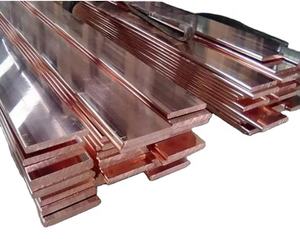
      Stainless Steel Plates: The Backbone of Modern Industrial Infrastructure and High-Performance Applications &^. Introduction to Stainless Steel Plates: A Material Defining Strength, Durability, and Innovation

      Intro to Stainless-steel Plates: A Material Specifying Stamina, Durability, and Development

      Stainless steel plates are among the most flexible and necessary materials in modern-day engineering and construction. Recognized for their rust resistance, mechanical toughness, and aesthetic appeal, these plates act as foundational elements across a broad selection of industries– from aerospace and auto to architecture and chemical handling. As commercial demands grow and sustainability comes to be a main concern, stainless-steel plates continue to develop with progressed metallurgical advancements and manufacturing modern technologies that enhance efficiency while reducing environmental effect.


      (Stainless Steel Plate)

      Composition and Kinds: Understanding the Metallurgy Behind Stainless Steel Plates

      Stainless steel plates are mainly made up of iron, chromium, nickel, and various other alloying elements that determine their particular residential or commercial properties. Chromium material– generally above 10.5%– creates a passive oxide layer externally, providing outstanding rust resistance. Based on microstructure, stainless-steels are classified right into 5 major families: austenitic, ferritic, martensitic, duplex, and precipitation-hardening (PH) stainless-steels. Each kind offers one-of-a-kind combinations of toughness, durability, and thermal resistance, enabling engineers to choose the most proper quality for applications ranging from marine environments to high-temperature industrial heaters.

      Production Refine: From Raw Products to High-Performance Plates

      The production of stainless-steel plates involves numerous critical points, consisting of melting, spreading, warm rolling, annealing, pickling, and cool rolling. Electric arc heating systems or argon oxygen decarburization (AOD) converters are utilized to melt raw materials such as scrap metal and ferroalloys. The molten steel is after that cast into pieces, which undertake warm rolling to reduce thickness and enhance grain structure. Subsequent processes like annealing alleviate inner tensions, while pickling gets rid of surface oxides. Cold rolling even more boosts dimensional precision and surface area finish. Advanced strategies such as laser welding and additive manufacturing are currently being incorporated into plate fabrication, allowing higher modification and performance optimization.

      Mechanical and Corrosion-Resistant Residences: Why Stainless-steel Plates Are Preferred Throughout Industries

      Stainless steel plates excel because of their remarkable mechanical buildings, consisting of high tensile toughness, effect resistance, and fatigue endurance. Their capacity to keep architectural honesty under extreme temperatures makes them suitable for cryogenic tank and high-temperature exhaust systems alike. Rust resistance is one more specifying attribute, especially in aggressive atmospheres such as offshore oil platforms, chemical plants, and wastewater therapy centers. The visibility of molybdenum in specific qualities, such as 316 stainless-steel, considerably boosts resistance to matching and gap deterioration in chloride-rich conditions. These qualities make certain lengthy service life, minimal upkeep, and cost-effectiveness in time.

      Applications Throughout Trick Markets: A Material That Powers Global Industries

      Stainless steel plates are essential in numerous sectors. In building, they are made use of for façades, roofing, and architectural supports because of their longevity and smooth look. The automotive industry uses them in exhaust systems and body panels for rust protection and lightweighting. Aerospace producers rely on high-strength, heat-resistant grades for engine elements and airframe frameworks. In energy and chemical processing, stainless steel plates create stress vessels, piping systems, and reactor linings efficient in withstanding rough operating problems. Also in food handling and medical tools, where hygiene is vital, stainless-steel plates use non-reactive surface areas that meet strict cleanliness requirements.

      Market Fads and Growth Vehicle Drivers: Why Need Remains To Rise Globally

      Global need for stainless steel plates gets on an upward trajectory, driven by urbanization, framework development, and the expanding emphasis on lasting materials. Arising markets in Asia-Pacific, specifically China and India, are increasing their industrial abilities, enhancing usage. Ecological guidelines preferring recyclable and durable products have additionally raised adoption. Technical developments, such as automated welding and accuracy cutting, are enhancing production performance and item uniformity. In addition, the rise of green structure accreditations has actually boosted making use of stainless-steel in architectural styles that prioritize long life and looks.

      Challenges and Sustainability Factors To Consider: Dealing with the Sector’s Pressing Issues


      ( Stainless Steel Plate)

      Regardless of its numerous benefits, the stainless-steel plate market deals with obstacles connected to energy consumption, carbon exhausts, and resource schedule. The manufacturing process continues to be greatly dependent on power and fossil fuels, adding to greenhouse gas emissions. Reusing initiatives are robust, with stainless steel being 100% recyclable, yet boosting circularity calls for far better end-of-life healing systems and environment-friendly production approaches. Developments such as hydrogen-based smelting and bio-leaching of resources are being discovered to straighten with worldwide net-zero targets. Additionally, rising and fall prices of nickel and chromium can impact market stability, prompting interest in alternative alloys and finishing modern technologies.

      Future Potential Customers: Innovations, Smart Assimilation, and the Future Generation of Stainless-steel Plates

      Looking ahead, the future of stainless steel plates hinges on smart materials, electronic combination, and sustainable advancement. Developments in nanotechnology and surface area engineering are paving the way for ultra-thin, high-strength plates with enhanced wear and deterioration resistance. Additive production allows complex geometries formerly unattainable through conventional approaches. Digital twins and AI-driven product modeling will certainly enhance efficiency forecasts and lifecycle management. As industries push for carbon nonpartisanship and resource efficiency, stainless steel plates are expected to play a critical role in shaping durable framework, renewable energy systems, and next-generation transport solutions.

      Supplier

      MetalPlates4u is a trusted global chemical material supplier & manufacturer with over 12 years experience in providing super high-quality metals and metal alloy. The company export to many countries, such as USA, Canada,Europe,UAE,South Africa, etc. As a leading nanotechnology development manufacturer, Metalinchina dominates the market. Our professional work team provides perfect solutions to help improve the efficiency of various industries, create value, and easily cope with various challenges. If you are looking for , please send an email to: nanotrun@yahoo.com
      Tags: stainless steel plate, stainless plate, stainless metal plate

      All articles and pictures are from the Internet. If there are any copyright issues, please contact us in time to delete.

      Inquiry us


        Enhancing Concrete Performance: The Science, Applications, and Future of Water Reducing Agents in Modern Construction super plasticizers admixtures

        Introduction to Water Reducing Agents: A Game-Changer in Concrete Modern Technology

        Water reducing representatives (WRAs), also called plasticizers, are essential chemical admixtures used in modern-day concrete solution to improve workability while reducing water web content. By dispersing cement fragments more effectively, these agents allow the manufacturing of high-performance concrete with boosted mechanical properties, sturdiness, and sustainability. As building needs evolve– requiring more powerful, longer-lasting, and eco-friendly products– water reducing representatives have ended up being main to development in civil engineering and framework growth.


        (Cabr superliasticizer)

        Chemistry and Category of Water Decreasing Professionals

        Water lowering representatives function by adsorbing onto the surface area of cement fragments, producing electrostatic repulsion that protects against pile and boosts flowability. They are primarily classified right into 3 generations based upon their chemical structure and efficiency degree: lignosulfonates (initial generation), sulfonated melamine formaldehyde (SMF) and naphthalene sulfonate formaldehyde condensates (NSF) (second generation), and polycarboxylate ether (PCE)-based superplasticizers (third generation). Each course supplies distinct advantages in regards to dosage effectiveness, slump retention, and compatibility with different cement kinds, making them suitable for different building and construction scenarios.

        System of Activity: Exactly How Water Lowering Representatives Boost Concrete Efficiency

        The primary function of a water minimizing representative is to reduce the water-to-cement (w/c) proportion without endangering workability. This decrease brings about greater compressive toughness, reduced porosity, and improved resistance to environmental stress and anxieties such as freeze-thaw cycles and chemical assault. WRAs accomplish this by customizing the rheological habits of the cement paste, allowing for far better compaction and denser microstructures. Advanced formulas, especially PCE-based ones, can be tailored at the molecular level to maximize diffusion and hydration kinetics, further boosting early-age and long-term concrete residential properties.

        Industrial Applications Across Building And Construction Sectors

        Water minimizing agents are crucial across a wide variety of building and construction applications. In high-rise buildings and bridges, they allow making use of self-compacting concrete (SCC), which moves easily into complex forms without vibration. In precast and prestressed concrete elements, WRAs contribute to faster demolding and boosted production prices. Facilities jobs such as tunnels, dams, and freeways take advantage of their capability to enhance toughness under severe conditions. Also in environment-friendly building efforts, WRAs sustain the development of low-carbon concretes by helping with the consolidation of supplementary cementitious products like fly ash and slag.

        Market Trends and Technological Advancements

        The worldwide market for water minimizing representatives is proliferating, driven by urbanization, framework financial investments, and the need for sustainable building and construction services. Technical advancements have brought about the growth of crossbreed and multifunctional WRAs that incorporate water reduction with retardation, air entrainment, or viscosity alteration. Digital devices such as AI-driven admixture optimization and real-time monitoring systems are being incorporated into concrete manufacturing to make sure specific application and regular quality. Additionally, makers are focusing on boosting product security, reducing sensitivity to differing cement chemistries, and minimizing ecological effect via greener synthesis courses.

        Challenges and Environmental Considerations

        Regardless of their advantages, water lowering representatives encounter challenges pertaining to set you back, compatibility, and ecological footprint. Some conventional WRAs may have dangerous by-products or call for energy-intensive production approaches. Issues such as slump loss gradually, level of sensitivity to temperature variants, and communications with other admixtures complicate their use in area conditions. From an environmental point of view, there is increasing stress to develop eco-friendly and non-toxic alternatives. Scientists are exploring bio-based plasticizers originated from renewable resources, aiming to lower dependency on petrochemical feedstocks and align with circular economic climate principles.

        Future Potential Customers: Innovation and Sustainability in Admixture Advancement


        ( concrete addtives)

        The future of water minimizing representatives lies in clever, lasting, and very engineered options. Advancements in nanotechnology and polymer scientific research are enabling the layout of next-generation WRAs with exceptional efficiency characteristics and very little eco-friendly effect. Technologies such as encapsulated launch systems, reactive polymers, and carbon-negative admixtures are being examined to satisfy evolving construction needs. In addition, the integration of digital platforms and IoT-enabled sensing units will allow real-time control of admixture habits during mixing and treating. As the building and construction industry approaches decarbonization and resilience, water minimizing agents will play a crucial function fit the future of concrete modern technology.

        Supplier

        Cabr-Concrete is a supplier of Concrete Admixture with over 12 years of experience in nano-building energy conservation and nanotechnology development. It accepts payment via Credit Card, T/T, West Union and Paypal. TRUNNANO will ship the goods to customers overseas through FedEx, DHL, by air, or by sea. If you are looking for high quality Concrete Admixture, please feel free to contact us and send an inquiry.
        Tags: superplasticizer, water reducer, water reducing agent, concrete additives

        All articles and pictures are from the Internet. If there are any copyright issues, please contact us in time to delete.

        Inquiry us


          Unlocking the Potential of Waterborne Calcium Stearate: A Green Revolution in Industrial Additives ca stearate

          Intro to Waterborne Calcium Stearate

          Waterborne calcium stearate has emerged as a vital material in contemporary industrial applications as a result of its eco-friendly account and multifunctional abilities. Unlike conventional solvent-based additives, waterborne calcium stearate uses a sustainable option that satisfies growing needs for low-VOC (unpredictable organic substance) and non-toxic solutions. As governing pressure installs on chemical use across industries, this water-based diffusion of calcium stearate is gaining traction in coatings, plastics, building products, and more.


          (Parameters of Calcium Stearate Emulsion)

          Chemical Make-up and Physical Feature

          Calcium stearate is a calcium salt of stearic acid with the molecular formula Ca(C ₁₈ H ₃₅ O TWO)₂. In its conventional kind, it is a white, ceraceous powder understood for its lubricating, water-repellent, and supporting properties. Waterborne calcium stearate refers to a colloidal diffusion of fine calcium stearate particles in a liquid medium, frequently maintained by surfactants or dispersants to stop jumble. This formula permits easy consolidation right into water-based systems without jeopardizing efficiency. Its high melting factor (> 200 ° C), reduced solubility in water, and excellent compatibility with different materials make it suitable for a wide range of practical and structural duties.

          Manufacturing Refine and Technical Advancements

          The manufacturing of waterborne calcium stearate normally entails reducing the effects of stearic acid with calcium hydroxide under controlled temperature level and pH problems to create calcium stearate soap, complied with by diffusion in water using high-shear mixing and stabilizers. Recent growths have actually concentrated on improving bit size control, enhancing solid web content, and lessening environmental impact through greener processing approaches. Advancements such as ultrasonic-assisted emulsification and microfluidization are being discovered to enhance dispersion stability and practical performance, ensuring constant quality and scalability for industrial customers.

          Applications in Coatings and Paints

          In the coatings industry, waterborne calcium stearate plays a crucial function as a matting representative, anti-settling additive, and rheology modifier. It helps reduce surface gloss while preserving film honesty, making it particularly helpful in architectural paints, timber layers, and commercial finishes. Furthermore, it enhances pigment suspension and prevents sagging throughout application. Its hydrophobic nature additionally improves water resistance and resilience, contributing to longer finishing life expectancy and lowered upkeep expenses. With the change towards water-based coverings driven by environmental policies, waterborne calcium stearate is ending up being an important solution element.


          ( TRUNNANO Calcium Stearate Emulsion)

          Role in Plastics and Polymer Handling

          In polymer manufacturing, waterborne calcium stearate serves primarily as an inner and exterior lubricant. It helps with smooth thaw flow during extrusion and shot molding, minimizing die build-up and boosting surface area finish. As a stabilizer, it reduces the effects of acidic deposits developed throughout PVC processing, preventing destruction and discoloration. Contrasted to traditional powdered forms, the waterborne variation uses much better dispersion within the polymer matrix, bring about enhanced mechanical residential properties and process effectiveness. This makes it specifically beneficial in inflexible PVC profiles, wires, and movies where look and efficiency are paramount.

          Use in Construction and Cementitious Equipment

          Waterborne calcium stearate finds application in the construction industry as a water-repellent admixture for concrete, mortar, and plaster products. When included right into cementitious systems, it develops a hydrophobic obstacle within the pore framework, substantially decreasing water absorption and capillary increase. This not just improves freeze-thaw resistance yet likewise secures against chloride access and rust of ingrained steel reinforcements. Its convenience of combination right into ready-mix concrete and dry-mix mortars settings it as a preferred option for waterproofing in framework projects, passages, and below ground structures.

          Environmental and Wellness Considerations

          One of one of the most engaging advantages of waterborne calcium stearate is its ecological profile. Without volatile organic compounds (VOCs) and unsafe air pollutants (HAPs), it aligns with worldwide efforts to decrease commercial discharges and advertise environment-friendly chemistry. Its eco-friendly nature and low poisoning more assistance its adoption in eco-friendly product. However, proper handling and solution are still called for to guarantee employee security and avoid dirt generation throughout storage space and transport. Life process assessments (LCAs) significantly favor such water-based ingredients over their solvent-borne equivalents, reinforcing their duty in lasting manufacturing.

          Market Trends and Future Overview

          Driven by more stringent environmental regulations and climbing customer awareness, the market for waterborne additives like calcium stearate is expanding rapidly. The Asia-Pacific region, in particular, is observing solid growth because of urbanization and industrialization in nations such as China and India. Principal are purchasing R&D to create customized grades with boosted capability, consisting of warm resistance, faster diffusion, and compatibility with bio-based polymers. The assimilation of digital modern technologies, such as real-time monitoring and AI-driven solution devices, is expected to more optimize efficiency and cost-efficiency.

          Final thought: A Sustainable Building Block for Tomorrow’s Industries

          Waterborne calcium stearate stands for a substantial innovation in practical products, providing a well balanced mix of efficiency and sustainability. From finishings and polymers to construction and past, its versatility is reshaping exactly how industries come close to formulation style and process optimization. As companies make every effort to satisfy evolving regulatory criteria and consumer expectations, waterborne calcium stearate stands apart as a reliable, versatile, and future-ready solution. With continuous innovation and deeper cross-sector partnership, it is poised to play an also better duty in the change toward greener and smarter making techniques.

          Distributor

          Cabr-Concrete is a supplier under TRUNNANO of Concrete Admixture with over 12 years of experience in nano-building energy conservation and nanotechnology development. It accepts payment via Credit Card, T/T, West Union and Paypal. TRUNNANO will ship the goods to customers overseas through FedEx, DHL, by air, or by sea. If you are looking for Concrete foaming agent, please feel free to contact us and send an inquiry. (sales@cabr-concrete.com)
          Tags: calcium stearate,ca stearate,calcium stearate chemical formula

          All articles and pictures are from the Internet. If there are any copyright issues, please contact us in time to delete.

          Inquiry us


            Comparative analysis of properties and applications of oxide powders iron oxide pigment powder

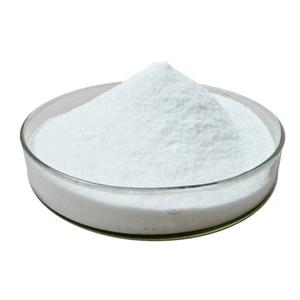
            As a vital not natural practical material, oxide powder plays an irreplaceable role in innovative porcelains, electronic tools, catalytic chemical design and biomedicine. This paper systematically analyzes the physicochemical buildings, microstructural characteristics and application differences of common oxide powders such as Al2O2, SiO2, TiO2, ZrO2 and MgO. Research studies have actually shown that various oxides display significantly various performance characteristics due to their one-of-a-kind crystal structure and chemical make-up: Al2O2 is known for its high firmness and security, ZrO2 has excellent phase modification strengthening residential properties, TiO2 exhibits outstanding photoelectric properties, SiO2 has outstanding surface adjustability, and MgO displays special alkaline characteristics. With the advancement of nanotechnology, the prep work process of oxide powders has been continually introduced, and its performance policy and application expansion have become a research study hotspot in products scientific research. This paper systematically contrasts several dimensions, such as crystallographic residential properties, surface residential properties, and thermodynamic habits, to give an academic basis for material selection in design applications.

            Physical and chemical homes and useful qualities

            The performance distinctions of oxide powders are first shown in the crystal structure attributes. Al2O2 exists primarily in the kind of α phase (hexagonal close-packed) and γ phase (cubic flaw spinel), among which α-Al2O2 has very high architectural stability (melting factor 2054 ℃); SiO2 has numerous crystal forms such as quartz and cristobalite, and its silicon-oxygen tetrahedral framework results in low thermal conductivity; the anatase and rutile frameworks of TiO2 have significant distinctions in photocatalytic efficiency; the tetragonal and monoclinic stage shifts of ZrO2 are come with by a 3-5% volume modification; the NaCl-type cubic framework of MgO gives it excellent alkalinity characteristics. In terms of surface area residential properties, the specific area of SiO2 produced by the gas phase technique can get to 200-400m TWO/ g, while that of fused quartz is only 0.5-2m TWO/ g; the equiaxed morphology of Al2O2 powder is conducive to sintering densification, and the nano-scale dispersion of ZrO2 can considerably enhance the sturdiness of ceramics.


            (Oxide Powder)

            In terms of thermodynamic and mechanical homes, ZrO ₂ goes through a martensitic stage change at high temperatures (> 1170 ° C) and can be totally stabilized by adding 3mol% Y ₂ O FIVE; the thermal growth coefficient of Al ₂ O FIVE (8.1 × 10 ⁻⁶/ K) matches well with many metals; the Vickers firmness of α-Al two O four can get to 20GPa, making it an important wear-resistant product; partly maintained ZrO ₂ raises the crack durability to over 10MPa · m ONE/ two via a phase improvement strengthening mechanism. In regards to functional properties, the bandgap width of TiO ₂ (3.2 eV for anatase and 3.0 eV for rutile) establishes its superb ultraviolet light feedback qualities; the oxygen ion conductivity of ZrO TWO (σ=0.1S/cm@1000℃) makes it the front runner for SOFC electrolytes; the high resistivity of α-Al ₂ O THREE (> 10 ¹⁴ Ω · cm) fulfills the requirements of insulation packaging.

            Application areas and chemical security

            In the area of structural porcelains, high-purity α-Al two O FIVE (> 99.5%) is utilized for cutting tools and shield security, and its flexing stamina can get to 500MPa; Y-TZP reveals superb biocompatibility in dental repairs; MgO partially supported ZrO ₂ is used for engine parts, and its temperature level resistance can reach 1400 ℃. In regards to catalysis and provider, the huge specific surface area of γ-Al two O FIVE (150-300m ²/ g)makes it a high-grade catalyst service provider; the photocatalytic activity of TiO two is more than 85% reliable in ecological filtration; CHIEF EXECUTIVE OFFICER ₂-ZrO ₂ strong solution is utilized in car three-way drivers, and the oxygen storage capacity reaches 300μmol/ g.

            A contrast of chemical stability reveals that α-Al two O five has outstanding deterioration resistance in the pH variety of 3-11; ZrO ₂ exhibits outstanding corrosion resistance to thaw metal; SiO ₂ dissolves at a price of approximately 10 ⁻⁶ g/(m TWO · s) in an alkaline atmosphere. In regards to surface sensitivity, the alkaline surface area of MgO can effectively adsorb acidic gases; the surface area silanol teams of SiO ₂ (4-6/ nm TWO) offer modification sites; the surface area oxygen vacancies of ZrO two are the structural basis of its catalytic activity.

            Preparation process and cost analysis

            The prep work procedure substantially impacts the performance of oxide powders. SiO two prepared by the sol-gel technique has a controlled mesoporous structure (pore size 2-50nm); Al two O two powder prepared by plasma approach can reach 99.99% purity; TiO ₂ nanorods manufactured by the hydrothermal approach have a flexible facet proportion (5-20). The post-treatment procedure is additionally critical: calcination temperature has a decisive influence on Al ₂ O two stage shift; sphere milling can decrease ZrO ₂ fragment dimension from micron level to listed below 100nm; surface area adjustment can dramatically improve the dispersibility of SiO two in polymers.

            In terms of price and industrialization, industrial-grade Al ₂ O FIVE (1.5 − 3/kg) has considerable cost advantages ; High Purtiy ZrO2 ( 1.5 − 3/kg ) also does ; High Purtiy ZrO2 (50-100/ kg) is greatly affected by uncommon planet ingredients; gas phase SiO TWO ($10-30/ kg) is 3-5 times a lot more expensive than the precipitation method. In terms of massive manufacturing, the Bayer process of Al two O five is fully grown, with a yearly production ability of over one million tons; the chlor-alkali procedure of ZrO ₂ has high energy consumption (> 30kWh/kg); the chlorination procedure of TiO two encounters environmental stress.

            Emerging applications and development fads

            In the power area, Li four Ti Five O ₁₂ has zero stress features as an unfavorable electrode product; the effectiveness of TiO two nanotube varieties in perovskite solar batteries goes beyond 18%. In biomedicine, the fatigue life of ZrO two implants goes beyond 10 ⁷ cycles; nano-MgO shows antibacterial buildings (antibacterial rate > 99%); the medication loading of mesoporous SiO two can get to 300mg/g.


            (Oxide Powder)

            Future development instructions include developing new doping systems (such as high decline oxides), specifically managing surface area termination groups, creating eco-friendly and inexpensive preparation procedures, and discovering new cross-scale composite devices. Via multi-scale structural regulation and user interface engineering, the performance boundaries of oxide powders will certainly continue to increase, supplying advanced material services for brand-new energy, ecological governance, biomedicine and various other areas. In sensible applications, it is required to thoroughly consider the intrinsic properties of the material, procedure conditions and cost elements to select the most ideal type of oxide powder. Al ₂ O six is suitable for high mechanical stress environments, ZrO two is suitable for the biomedical field, TiO two has noticeable advantages in photocatalysis, SiO ₂ is an optimal carrier product, and MgO appropriates for unique chemical reaction settings. With the development of characterization technology and prep work technology, the efficiency optimization and application development of oxide powders will certainly usher in breakthroughs.

            Supplier

            RBOSCHCO is a trusted global chemical material supplier & manufacturer with over 12 years experience in providing super high-quality chemicals and Nanomaterials. The company export to many countries, such as USA, Canada, Europe, UAE, South Africa,Tanzania,Kenya,Egypt,Nigeria,Cameroon,Uganda,Turkey,Mexico,Azerbaijan,Belgium,Cyprus,Czech Republic, Brazil, Chile, Argentina, Dubai, Japan, Korea, Vietnam, Thailand, Malaysia, Indonesia, Australia,Germany, France, Italy, Portugal etc. As a leading nanotechnology development manufacturer, RBOSCHCO dominates the market. Our professional work team provides perfect solutions to help improve the efficiency of various industries, create value, and easily cope with various challenges. If you are looking for Powdered sodium silicate, liquid sodium silicate, water glass,please send an email to: sales1@rboschco.com

            All articles and pictures are from the Internet. If there are any copyright issues, please contact us in time to delete.

            Inquiry us


              Revolutionizing Modern Manufacturing: The Rise and Future of 3D Printing Metal Powder

              Intro to 3D Printing Metal Powder

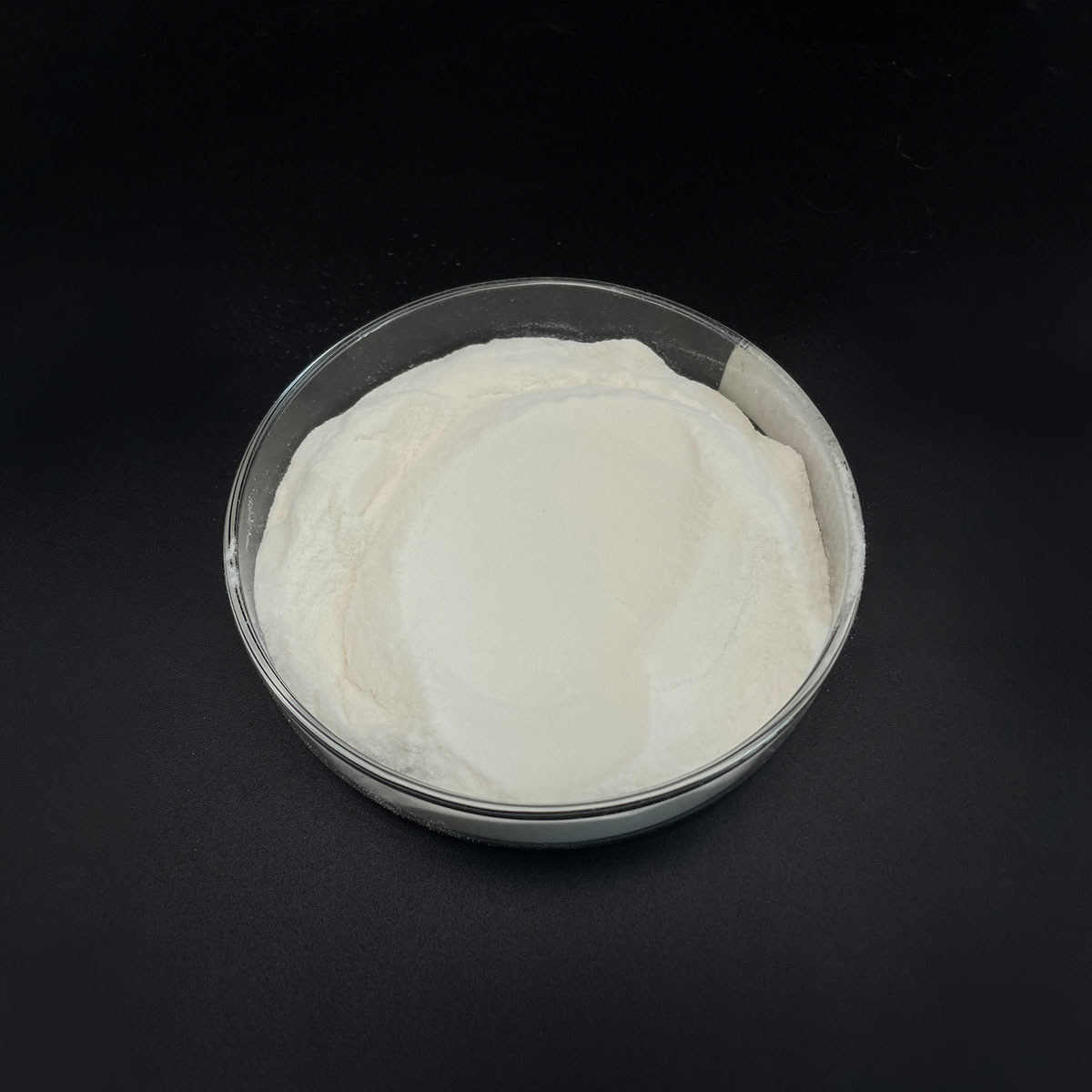
              Additive production, particularly metal 3D printing, has transformed the landscape of contemporary industrial production. At the heart of this technological transformation lies 3D printing steel powder– a high-performance product that allows the creation of complicated, high-strength components across sectors such as aerospace, health care, auto, and energy. With its capability to create near-net-shape get rid of minimal waste, metal powder is not just a basic material but a vital enabler of next-generation engineering services. This post delves into the residential or commercial properties, preparation methods, present applications, and future trajectories of 3D printing steel powders.


              (3d printing alloy powder)

              Make-up and Feature of 3D Printing Steel Powders

              Steel powders used in additive production are generally composed of alloys like titanium, stainless-steel, cobalt-chrome, light weight aluminum, and nickel-based superalloys. These powders should fulfill rigid requirements, consisting of spherical morphology, narrow fragment dimension circulation (typically between 10– 50 µm), low oxygen material, and high flowability to ensure constant layer deposition and ideal thaw behavior during laser or electron beam melting processes.

              The microstructure and purity of the powder straight affect the mechanical integrity and surface area finish of the last printed component. For example, gas-atomized powders are extensively favored for their tidy, spherical fragments, which boost packing thickness and reduce porosity. As 3D printing significantly targets essential applications such as aerospace generator blades and clinical implants, the need for ultra-pure, high-performance metal powders continues to rise.

              Prep Work Strategies and Technical Innovations

              Producing premium steel powders includes innovative strategies such as gas atomization, plasma atomization, and electro-slag remelting. Gas atomization stays the most usual technique, where liquified steel is degenerated using high-pressure inert gas jets, developing fine, round bits. Plasma atomization uses even finer control over particle morphology and is particularly efficient for reactive steels like titanium and tantalum.

              Recent developments have actually concentrated on improving return, decreasing contamination, and tailoring powder qualities for details printing technologies such as Selective Laser Melting (SLM) and Electron Beam Melting (EBM). Emerging approaches like ultrasonic-assisted atomization and laser-induced ahead transfer are being explored to achieve higher precision and reduced production costs. In addition, recycling and replacing of made use of powders are getting grip to support lasting manufacturing practices.

              Applications Across Trick Industrial Sectors

              The fostering of 3D printing metal powders has seen rapid development because of their unique capability to produce light-weight, lattice-structured, and topology-optimized elements. In aerospace, business like GE Air travel and Plane use titanium and nickel-based powders to print fuel nozzles and turbine blades with enhanced thermal resistance and weight reduction. In the medical field, personalized orthopedic implants made from titanium alloys supply superior biocompatibility and osseointegration compared to traditional prosthetics.

              The vehicle sector leverages steel powders to create intricate engine components and air conditioning channels unattainable through conventional machining. At the same time, the power sector take advantage of corrosion-resistant elements for oil and gas exploration and atomic power plants. Also in high-end fields like jewelry and watchmaking, precious metal powders make it possible for intricate layouts that were as soon as impossible to make. These diverse applications highlight the transformative possibility of 3D printing metal powders across both modern and day-to-day industries.

              Market Patterns and Growth Drivers

              Global demand for 3D printing steel powders is proliferating, driven by advancements in additive manufacturing modern technologies and raising approval across end-user industries. According to market analysis reports, the international steel powder market for additive manufacturing is forecasted to go beyond USD 4 billion by 2030. This growth is sustained by factors such as increasing investment in R&D, expansion of commercial 3D printing abilities, and the need for localized, on-demand production options.

              Federal government campaigns promoting digital production and Market 4.0 are likewise adding to market momentum. Companies are investing heavily in automation, AI-integrated quality control systems, and real-time tracking of powder performance. Joint ventures between product providers, OEMs, and scholastic organizations are speeding up advancement cycles, bringing new products and applications to market quicker than ever before.

              Challenges and Ecological Considerations

              In spite of its promising trajectory, the prevalent use of 3D printing steel powder is not without challenges. High material and devices costs remain a barrier to access for little and average ventures. Powder handling, storage, and security procedures require stringent adherence as a result of dangers associated with surge and breathing hazards. Furthermore, concerns like batch-to-batch uniformity, oxidation sensitivity, and limited standardization present technical obstacles.

              Environmental problems also loom huge. The manufacturing of metal powders is energy-intensive, often involving high-temperature processing and uncommon planet components. There is an immediate demand to establish greener alternatives, boost powder recyclability, and apply closed-loop systems that reduce waste and exhausts. Some business are exploring hydrogen-based sintering and eco-friendly energy-powered manufacturing devices to line up with round economic climate principles and international sustainability objectives.

              Future Prospects: Advancement and Strategic Growth


              (3d printing alloy powder)

              Looking in advance, the future of 3D printing steel powders is positioned for groundbreaking developments. Advances in nanotechnology might cause the creation of nanostructured powders with unmatched stamina and thermal resistance. Hybrid manufacturing comes close to combining 3D printing with CNC machining and cold spray are opening doors to extra flexible, cost-efficient production workflows.

              In addition, the combination of artificial intelligence and machine learning in powder selection and process optimization is expected to boost dependability and decrease experimental experimentation. New alloy advancement tailored specifically for additive production will certainly further expand the variety of materials, allowing homes such as form memory, self-healing, and bio-functionality.

              Joint environments amongst worldly researchers, suppliers, and policymakers will certainly be important fit governing standards, education programs, and worldwide supply chains. As 3D printing remains to develop from prototyping to full-scale production, metal powders will remain at the leading edge of this commercial transformation– driving innovation, efficiency, and sustainability across the globe.

              Vendor

              TRUNNANO is a supplier of boron nitride with over 12 years of experience in nano-building energy conservation and nanotechnology development. It accepts payment via Credit Card, T/T, West Union and Paypal. Trunnano will ship the goods to customers overseas through FedEx, DHL, by air, or by sea. If you want to know more about potassium silicate, please feel free to contact us and send an inquiry(sales5@nanotrun.com).
              Tags: 3d printing, 3d printing metal powder, powder metallurgy 3d printing

              All articles and pictures are from the Internet. If there are any copyright issues, please contact us in time to delete.

              Inquiry us


                Comprehensive performance analysis and engineering application research of silicate concrete additives superplasticizer

                Potassium silicate (K TWO SiO SIX) and other silicates (such as salt silicate and lithium silicate) are essential concrete chemical admixtures and play a crucial role in modern-day concrete innovation. These products can significantly boost the mechanical homes and longevity of concrete with an one-of-a-kind chemical device. This paper systematically researches the chemical buildings of potassium silicate and its application in concrete and compares and assesses the differences in between different silicates in promoting cement hydration, improving strength growth, and optimizing pore structure. Researches have actually revealed that the choice of silicate additives requires to thoroughly consider factors such as design environment, cost-effectiveness, and performance needs. With the expanding demand for high-performance concrete in the building market, the research study and application of silicate ingredients have important theoretical and useful importance.

                Fundamental residential or commercial properties and mechanism of action of potassium silicate

                Potassium silicate is a water-soluble silicate whose liquid option is alkaline (pH 11-13). From the viewpoint of molecular framework, the SiO ₄ TWO ⁻ ions in potassium silicate can respond with the concrete hydration product Ca(OH)₂ to create extra C-S-H gel, which is the chemical basis for boosting the performance of concrete. In terms of system of activity, potassium silicate functions mainly with three methods: initially, it can speed up the hydration response of cement clinker minerals (particularly C ₃ S) and promote very early stamina advancement; second, the C-S-H gel created by the response can successfully fill up the capillary pores inside the concrete and boost the density; ultimately, its alkaline attributes aid to neutralize the disintegration of co2 and delay the carbonization process of concrete. These qualities make potassium silicate a suitable selection for enhancing the detailed efficiency of concrete.

                Design application approaches of potassium silicate


                (TRUNNANO Potassium silicate powder)

                In actual engineering, potassium silicate is generally contributed to concrete, mixing water in the kind of solution (modulus 1.5-3.5), and the suggested dosage is 1%-5% of the cement mass. In regards to application circumstances, potassium silicate is particularly appropriate for 3 types of tasks: one is high-strength concrete engineering since it can substantially boost the stamina growth price; the second is concrete fixing design since it has excellent bonding residential or commercial properties and impermeability; the 3rd is concrete frameworks in acid corrosion-resistant atmospheres since it can form a thick safety layer. It deserves keeping in mind that the enhancement of potassium silicate needs rigorous control of the dosage and blending process. Extreme use may lead to irregular setting time or strength contraction. During the building and construction procedure, it is advised to perform a small examination to identify the most effective mix proportion.

                Analysis of the qualities of various other major silicates

                In addition to potassium silicate, salt silicate (Na ₂ SiO ₃) and lithium silicate (Li two SiO TWO) are additionally frequently made use of silicate concrete additives. Salt silicate is known for its more powerful alkalinity (pH 12-14) and quick setup residential properties. It is often made use of in emergency situation fixing tasks and chemical reinforcement, however its high alkalinity may induce an alkali-aggregate response. Lithium silicate exhibits distinct efficiency benefits: although the alkalinity is weak (pH 10-12), the unique impact of lithium ions can properly hinder alkali-aggregate reactions while giving superb resistance to chloride ion penetration, which makes it specifically suitable for marine design and concrete frameworks with high sturdiness requirements. The 3 silicates have their attributes in molecular framework, sensitivity and engineering applicability.

                Relative research on the performance of different silicates

                Through systematic experimental comparative research studies, it was located that the 3 silicates had significant distinctions in key efficiency indicators. In regards to strength development, sodium silicate has the fastest very early toughness development, yet the later stamina may be affected by alkali-aggregate reaction; potassium silicate has balanced strength growth, and both 3d and 28d toughness have actually been substantially improved; lithium silicate has slow-moving early toughness advancement, but has the best lasting toughness security. In terms of resilience, lithium silicate exhibits the very best resistance to chloride ion penetration (chloride ion diffusion coefficient can be decreased by more than 50%), while potassium silicate has the most outstanding impact in standing up to carbonization. From a financial viewpoint, sodium silicate has the most affordable expense, potassium silicate remains in the middle, and lithium silicate is the most expensive. These differences provide an essential basis for engineering selection.

                Evaluation of the device of microstructure

                From a microscopic point of view, the results of different silicates on concrete framework are mainly shown in 3 facets: initially, the morphology of hydration items. Potassium silicate and lithium silicate advertise the development of denser C-S-H gels; 2nd, the pore structure qualities. The percentage of capillary pores listed below 100nm in concrete treated with silicates enhances considerably; third, the improvement of the interface shift zone. Silicates can lower the alignment degree and thickness of Ca(OH)₂ in the aggregate-paste user interface. It is specifically notable that Li ⁺ in lithium silicate can get in the C-S-H gel structure to form an extra secure crystal form, which is the microscopic basis for its remarkable resilience. These microstructural changes straight establish the level of improvement in macroscopic performance.

                Key technical concerns in engineering applications


                ( lightweight concrete block)

                In actual engineering applications, making use of silicate ingredients needs interest to numerous vital technical issues. The first is the compatibility issue, specifically the possibility of an alkali-aggregate reaction between salt silicate and certain accumulations, and stringent compatibility examinations have to be accomplished. The 2nd is the dose control. Extreme enhancement not only boosts the cost however might also trigger abnormal coagulation. It is recommended to make use of a gradient test to figure out the optimal dose. The third is the building and construction procedure control. The silicate option should be totally spread in the mixing water to stay clear of too much neighborhood focus. For important jobs, it is recommended to establish a performance-based mix style technique, taking into account elements such as toughness growth, longevity demands and building and construction problems. In addition, when utilized in high or low-temperature settings, it is also needed to change the dosage and maintenance system.

                Application methods under unique environments

                The application methods of silicate ingredients ought to be various under various environmental problems. In aquatic environments, it is recommended to make use of lithium silicate-based composite ingredients, which can enhance the chloride ion penetration efficiency by greater than 60% compared with the benchmark team; in locations with regular freeze-thaw cycles, it is a good idea to use a mix of potassium silicate and air entraining agent; for road fixing projects that need quick website traffic, sodium silicate-based quick-setting solutions are more suitable; and in high carbonization threat settings, potassium silicate alone can attain great outcomes. It is particularly significant that when hazardous waste deposits (such as slag and fly ash) are made use of as admixtures, the revitalizing effect of silicates is a lot more significant. At this time, the dosage can be suitably decreased to attain an equilibrium in between financial benefits and engineering efficiency.

                Future research instructions and growth trends

                As concrete innovation creates in the direction of high efficiency and greenness, the research on silicate additives has additionally shown new patterns. In regards to material r & d, the focus is on the growth of composite silicate ingredients, and the performance complementarity is accomplished via the compounding of several silicates; in regards to application technology, intelligent admixture processes and nano-modified silicates have actually ended up being research hotspots; in terms of sustainable advancement, the development of low-alkali and low-energy silicate products is of fantastic value. It is specifically significant that the research of the synergistic system of silicates and brand-new cementitious products (such as geopolymers) might open new means for the development of the future generation of concrete admixtures. These research instructions will advertise the application of silicate ingredients in a larger range of areas.

                TRUNNANO is a supplier of boron nitride with over 12 years of experience in nano-building energy conservation and nanotechnology development. It accepts payment via Credit Card, T/T, West Union and Paypal. Trunnano will ship the goods to customers overseas through FedEx, DHL, by air, or by sea. If you want to know more about potassium silicate, please feel free to contact us and send an inquiry(sales8@nanotrun.com).
                Tags: potassium silicate,k silicate,potassium silicate fertilizer

                All articles and pictures are from the Internet. If there are any copyright issues, please contact us in time to delete.

                Inquiry us


                  Comprehensive comparative analysis and engineering application research of naphthalene-based water reducers and other types of water reducers concrete retarder admixture

                  As an important chemical admixture in modern concrete innovation, concrete water reducer plays a key duty in improving concrete efficiency and boosting design top quality. Among the numerous kinds of water reducers, naphthalene-based water reducers have long occupied a crucial position in design practice because of their exceptional cost-effectiveness and secure efficiency. Nonetheless, with the development of construction innovation and the renovation of environmental management requirements, new water reducers, such as polycarboxylic acid-based water reducers, have progressively emerged, forming a market pattern that takes on naphthalene-based water reducers This paper aims to give clinical selection referrals for engineering and technical workers by methodically contrasting the technological characteristics and application performance of naphthalene-based water reducers with other major types of water reducers and, at the very same time, discovering the advancement trend of water reducer innovation.

                  Basic features of naphthalene-based water reducers

                  Naphthalene-based water reducers are high-efficiency water reducers made from naphthalene as the main raw material through chain reaction such as sulfonation and condensation. They are anionic surfactants. Inflexible naphthalene rings and hydrophilic sulfonic acid groups define its molecular structure. This structure allows it to effectively adsorb externally of cement particles and distribute cement bits with electrostatic repulsion. The water decrease rate of naphthalene-based water reducers is generally between 15% and 25%. It has excellent adaptability and is well-compatible with a lot of cement.


                  (concrete superplasticizer)

                  In engineering applications, naphthalene-based water reducers have the advantages of low dose level of sensitivity, great plasticity retention, and moderate price. However, its molecular structure identifies that it has certain constraints, such as restricted space for water decrease rate enhancement and relatively quick depression loss. Additionally, naphthalene-based water reducers might cause specific environmental contamination throughout the manufacturing process, which is also among the crucial reasons that its market share has actually been squeezed in recent years.

                  Evaluation of the features of various other major sorts of water reducers.
                  Polycarboxylic acid-based water reducers are new high-performance water reducers that have created rapidly over the last few years. The molecular framework is defined by implanting numerous polyoxyethylene side chains on the major chain to develop a “comb-like” framework. This special structure allows it to attain the dispersion of concrete particles with the steric barrier impact, and the water decrease rate can be as high as 30%-40%. Polycarboxylic acid-based water reducers additionally have the attributes of low dosage, great downturn retention, and exceptional ecological performance. They are specifically appropriate for high-performance concrete and self-compacting concrete.

                  Aminosulfonate-based water reducers have 2 useful teams, amino and sulfonic acid groups, in their molecules. They have both electrostatic repulsion and steric hindrance effects, and their water-reducing residential or commercial properties are between those of naphthalene and polycarboxylic acid-based water reducers. This kind of water reducer significantly promotes the very early toughness growth of concrete, but there may be a particular tendency to hemorrhage. Melamine-based water reducers are known for their exceptional very early strength buildings and are typically utilized in premade components and winter season building and construction, but their fairly low tide reduction price and high rate restriction their extensive application.

                  Performance contrast in between naphthalene-based water reducers and various other water reducers

                  From the point of view of water reduction effectiveness, the performance position of various water reducers is polycarboxylic acid-based > aminosulfonate-based > naphthalene-based > melamine-based. The ultra-high water decrease price of polycarboxylic acid-based water reducers gives them an irreplaceable advantage in the prep work of high-strength, high-fluidity concrete. In standard strength-grade concrete, naphthalene-based water reducers can still provide a water decrease result that fulfills the demands and has obvious expense benefits.

                  In terms of downturn retention, polycarboxylic acid water reducers do best, with a 2-hour depression loss of less than 10%, while naphthalene water reducers may shed 30%-40%. This distinction is specifically significant during long-distance transportation or building and construction in high-temperature environments. In terms of stamina development qualities, naphthalene water reducers are far better than polycarboxylic acid water reducers in promoting the early stamina (1d, 3d) of concrete, yet the later toughness development is comparable.

                  In regards to adaptability, naphthalene water reducers have a higher tolerance to adjustments in basic materials and much better compatibility with various sorts of concrete. Polycarboxylic acid water reducers may be extra conscious factors such as aggregate mud material and concrete mineral composition and require stricter quality assurance. From an ecological point of view, the production process of polycarboxylic acid water reducers is cleaner and does not have damaging substances such as formaldehyde, which is substantially far better than standard naphthalene products.


                  (TRUNNANO Naphthalene-based water reducer)

                  Option factors to consider in design applications

                  In real engineering, the choice of water reducers ought to think about engineering needs, ecological conditions and economic advantages. For large-volume concrete or general industrial and civil structures, naphthalene water reducers have obvious cost-effectiveness advantages. In extremely high-rise buildings, long-span bridges and other areas where concrete efficiency is incredibly high, polycarboxylic acid water reducers are the only choices.

                  Applications in unique environments are likewise worth taking note of. In low-temperature settings, the incorporated use of naphthalene water reducers and early strength representatives has a great effect; in high-temperature environments, the outstanding collapse defense performance of polycarboxylic acid water reducers can better assure the building and construction high quality. From the perspective of the life process cost evaluation, although the system rate of polycarboxylic acid water reducers is reasonably high, the ease of construction and enhanced structural longevity brought by them may make the overall expense extra cost-effective.

                  Naphthalene water reducers and various other types of water reducers each have their very own technical features and applicable fields, and there is no outright distinction between great and poor. Naphthalene water reducers still have irreplaceable worth in conventional engineering, while polycarboxylic acid water reducers represent the future development instructions. With technological progression, the manufacturing procedure and environmental management efficiency of naphthalene water reducers are expected to be further enhanced. In engineering technique, the type of water reducer should be scientifically picked according to certain requirements, and a composite use approach can be adopted when required to attain the best technical and economic effects. Future research must focus on the interaction device between water reducers and cementitious material systems, along with the growth and application of green water reducers.

                  Cabr-Concrete is a supplier under TRUNNANO of Concrete Admixture with over 12 years of experience in nano-building energy conservation and nanotechnology development. It accepts payment via Credit Card, T/T, West Union and Paypal. TRUNNANO will ship the goods to customers overseas through FedEx, DHL, by air, or by sea. If you are looking for Concrete foaming agent, please feel free to contact us and send an inquiry. (sales@cabr-concrete.com)
                  Tags: concrete superplasticizer,Naphthalene-based water reducer; Polycarboxylic acid-based water reducer

                  All articles and pictures are from the Internet. If there are any copyright issues, please contact us in time to delete.

                  Inquiry us


                    Unlocking the Potential of Potassium Silicate Powder: A Multifunctional Material Powering Innovation Across Industries kalium silicate

                    Intro to Potassium Silicate Powder

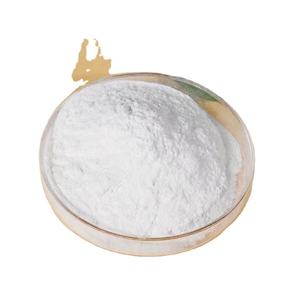
                    Potassium silicate powder, a carefully ground type of the not natural compound K ₂ O · nSiO ₂, is getting boosting focus for its multifunctional homes and wide-ranging industrial applications. Understood for its high thermal stability, excellent binding abilities, and chemical resistance, this material functions as a crucial part in areas such as building, farming, shop work, surface treatment, and ecological remediation. As sectors continue to seek sustainable and high-performance products, potassium silicate powder becomes a flexible service with progressing potential.

                    Chemical Make-up and Special Characteristics

                    Potassium silicate powder includes potassium oxide and silicon dioxide in differing proportions, typically revealed as K ₂ O · nSiO two, where the “n” value defines the molar ratio and dramatically influences the physical and chemical actions of the material. This powder displays low solubility at ambient problems but becomes reactive under heat or alkaline environments, making it optimal for controlled-release applications. Its capability to develop strong molecular bonds with substratums offers it superb adhesive and securing residential properties, while its non-flammable nature boosts safety and security in high-temperature procedures. In addition, potassium silicate powder stands up to corrosion and microbial strike, contributing to lasting longevity in functional applications.

                    Manufacturing Processes and Technological Advancements

                    The manufacturing of potassium silicate powder involves either completely dry or wet synthesis approaches, each offering distinctive advantages relying on application requirements. In the completely dry process, resources such as potassium carbonate and silica sand are thawed in a high-temperature heating system, then cooled and squashed into great powder. This technique appropriates for large-scale industrial manufacturing but requires significant power input. On the other hand, the damp procedure includes responding potassium hydroxide with amorphous silica under controlled problems, followed by evaporation and drying to produce powdered kinds. Recent developments consist of ultrasonic-assisted synthesis, microwave calcination, and nanostructuring strategies that improve reaction performance, minimize processing time, and enhance item performance. These improvements not just optimize practical homes however also align with worldwide trends toward greener production methods.

                    Applications in Farming and Environmental Management

                    In agriculture, potassium silicate powder plays an important role as a soil conditioner and plant nutrient enhancer. It provides bioavailable silicon and potassium– both crucial components that strengthen plant cell walls, improve dry spell resistance, and enhance disease and insect tolerance. Its usage in rice, wheat, and sugarcane farming has actually demonstrated enhanced yields and reduced dependence on artificial chemicals. Beyond agriculture, potassium silicate powder adds to environmental management efforts by incapacitating hefty steels in polluted soils and working as an adsorbent in wastewater treatment. Its ion-exchange capability makes it possible for reliable elimination of toxins like lead, cadmium, and arsenic, sustaining sustainable land and water reconstruction campaigns.

                    Usage in Construction and Industrial Applications

                    The construction industry leverages potassium silicate powder for its cementitious and sealing properties. It is used in concrete admixtures to densify surface areas, boost compressive strength, and minimize leaks in the structure. In finishes and sealers, it gives fireproof and water-proof layers, improving structure durability and security. The foundry industry benefits from its usage in mold and mildew binders, where it enhances the refractoriness and dimensional security of sand molds. Moreover, in surface area treatment modern technologies, potassium silicate powder serves as a crucial component in anti-corrosion coverings for steel substratums and in ceramic lusters to improve gloss and adhesion. These diverse applications underscore its significance in commercial innovation and facilities growth.

                    Arising Duties in Advanced Technologies

                    Current growths have expanded the scope of potassium silicate powder right into advanced technological domains. Researchers are discovering its combination right into clever products, including self-healing concrete and responsive finishes that adjust to ecological adjustments. In nanotechnology, potassium silicate nanoparticles are being researched for their improved reactivity and functionalization capacities, opening new opportunities in catalysis, sensing unit development, and biomedical applications. Moreover, continuous studies recommend prospective usages in environment-friendly compounds and naturally degradable product packaging systems, where its natural origin and low toxicity offer ecological benefits. These arising duties illustrate the compound’s versatility and its growing importance in future-oriented material science.

                    Challenges and Sustainability Considerations

                    Regardless of its many benefits, the extensive use potassium silicate powder deals with challenges associated with production costs, scalability, and environmental effect. Energy-intensive production processes contribute to carbon discharges, prompting research right into eco-friendly energy-powered synthesis and waste-derived silica sources. In addition, there is a demand for standard safety and security protocols to make sure appropriate handling and lessen occupational exposure. Continuous life-cycle assessments intend to quantify its eco-friendly impact and guide lasting sourcing techniques. Dealing with these concerns is essential for keeping the product’s feasibility in a resource-constrained globe.

                    Future Leads and Industry Expectation

                    Looking in advance, the demand for potassium silicate powder is expected to expand, driven by expanding applications in eco-friendly building and construction, precision farming, and progressed manufacturing. Advancements in formula and handling will certainly further enhance its functionality and widen its market reach. Collaborative initiatives between academic community, sector, and regulative bodies will certainly be instrumental in advertising responsible production and usage criteria. Incorporating digital innovations such as AI-driven process optimization and IoT-enabled monitoring might unlock brand-new performances in its handling and deployment. As sustainability remains a central style in international advancement, potassium silicate powder stands poised to play a crucial duty fit a cleaner, smarter, and more durable commercial landscape.

                    End of Paper

                    This article provides a detailed yet focused exploration of potassium silicate powder, stressing its scientific foundation, functional applications, and future trajectory. Structured for clearness and depth, it shows the existing state of expertise while highlighting the advancement driving its ongoing significance in modern product science.

                    TRUNNANO is a supplier of boron nitride with over 12 years of experience in nano-building energy conservation and nanotechnology development. It accepts payment via Credit Card, T/T, West Union and Paypal. Trunnano will ship the goods to customers overseas through FedEx, DHL, by air, or by sea. If you want to know more about potassium silicate, please feel free to contact us and send an inquiry(sales5@nanotrun.com).
                    Tags: potassium silicate,k silicate,potassium silicate fertilizer

                    All articles and pictures are from the Internet. If there are any copyright issues, please contact us in time to delete.

                    Inquiry us