Friday, March 6, 2026
Home Blog Page 28

Redispersible Polymer Powder: Revolutionizing Construction and Coatings with Enhanced Adhesion and Durability

Redispersible Polymer Powder: Changing Construction and Coatings with Enhanced Bond and Durability

Redispersible polymer powder (RDP) stands as a keystone innovation in the construction and coatings markets, supplying unrivaled improvements in product performance. This exceptional compound is a carefully ground, spray-dried polymer that can be redispersed in water to create continual films. When incorporated right into cementitious or gypsum-based systems, RDP substantially enhances bond, adaptability, and resilience, while also contributing to better workability and faster setup times. The modern technology behind RDP has actually progressed over decades, resulting in formulations customized to satisfy the specific demands of different applications. From floor tile adhesives and self-leveling compounds to waterproofing membrane layers and outside insulation finishing systems (EIFS), RDP plays an important role in making certain premium results. As ecological worries expand, suppliers are significantly concentrated on establishing lasting RDP options that lessen the use of unstable natural substances (VOCs) and advertise energy efficiency. With its ability to boost the mechanical homes of building products without including substantial weight, RDP supports the creation of lighter frameworks that need less basic material. Additionally, it assists in the advancement of more resilient infrastructure efficient in standing up to severe weather conditions and natural disasters. The widespread fostering of RDP throughout worldwide markets reflects its value proposal in delivering premium performance at affordable prices. R & d initiatives remain to push the borders of what’s possible with this versatile additive, leading the way for new product developments and application opportunities.


(Redispersible Polymer Powder RDP)

The assimilation of redispersible polymer powder into building and construction products causes a plethora of advantages that directly influence job success and long-term sustainability. Among the most remarkable benefits is the significant enhancement in bond stamina in between various substratums. Whether bonding ceramic tiles to concrete surface areas or connecting layers within EIFS, RDP ensures a durable connection that stands up to delamination and breaking over time. This boosted attachment not only extends the life expectancy of installments yet additionally lowers upkeep demands and connected expenses. Another important attribute of RDP is its capability to enhance the adaptability of hard mortars and plasters, allowing them to accommodate small movements without compromising architectural stability. In seismic-prone areas, this characteristic is particularly beneficial, as it can help mitigate damages throughout quakes. In addition, RDP contributes to enhanced water resistance by creating hydrophobic obstacles that protect against dampness penetration. Such security is vital for preserving indoor air top quality and avoiding issues like mold and mildew growth and deterioration. Beyond these functional improvements, RDP likewise offers visual benefits by allowing smoother finishes and reducing the incident of splits and crazing. For attractive coatings and provides, this translates into an extra polished look that stays undamaged even under harsh ecological problems. The versatility of RDP makes it suitable for both interior and exterior applications, sustaining varied style aspirations while satisfying rigid efficiency requirements. As market specialists recognize the comprehensive benefits supplied by RDP, there is a growing consensus on its important duty in modern building and construction techniques.

Looking ahead, the future of redispersible polymer powder shows up intense, driven by continuous advancements in polymer chemistry and expanding market demand. Technologies in RDP solutions are bring about items with higher pureness degrees, reduced viscosities, and improved compatibility with other additives. These improvements facilitate simpler mixing procedures and broader applicability throughout different kinds of jobs. Producers are also checking out methods to include recycled products into RDP manufacturing, straightening with round economic situation principles and lowering dependence on non-renewable sources. The focus on sustainability extends to the end-use stage, where RDP-enhanced products contribute to reduced carbon discharges through improved energy performance and extended life span. In addition to construction, the prospective applications for RDP are expanding right into surrounding fields such as vehicle, electronics, and fabrics. As an example, RDP could play a vital duty in establishing light-weight compounds for electrical automobiles or boosting the resilience of digital parts subjected to differing temperatures and humidity degrees. The cross-industry appeal of RDP emphasizes its condition as a transformative modern technology with significant ramifications. As research progresses and new usages emerge, the importance of RDP in shaping the future of materials science can not be overstated. Stakeholders across multiple markets are poised to benefit from the continued development of this dynamic additive, opening endless possibilities for innovation and development.

TRUNNANO is a supplier of nano materials with over 12 years experience in nano-building energy conservation and nanotechnology development. It accepts payment via Credit Card, T/T, West Union and Paypal. Trunnano will ship the goods to customers overseas through FedEx, DHL, by air, or by sea. If you want to know more about Redispersible Polymer Powder
RDP, please feel free to contact us and send an inquiry.(sales5@nanotrun.com)

All articles and pictures are from the Internet. If there are any copyright issues, please contact us in time to delete.

Inquiry us


    In-depth Analysis of Concrete Release Agents: Applications and Technological Innovations stamped grey concrete

    Thorough Analysis of Concrete Launch Agents: Applications and Technological Innovations

    As the building and construction market continues to advance, the requirements for structure products and building and construction techniques are also raising. Versus this backdrop, concrete launch representatives have come to be a significantly critical auxiliary product. A concrete release representative is a chemical material or mix utilized to prevent newly put concrete from adhering to the formwork. It develops a protective layer externally of the mold, making certain a smooth concrete surface that can be easily gotten rid of without damaging the concrete structure. Reliable launch not only enhances production efficiency however additionally guarantees the quality of concrete components and minimizes problem rates. Based on their chemical make-up and physical kind, release representatives are mainly categorized right into four kinds: oil-based, water-based, wax-based, and silicone. Each type has its special characteristics and applications. For example, oil-based launch agents consist of mineral oils or plant oils and are suitable for the majority of standard concrete items; water-based release agents use water as a provider, are environmentally friendly and non-toxic, and are very easy to tidy however may require a much longer drying time; wax-based release representatives are based upon paraffin or other artificial waxes, using durable launch efficiency suitable for high-temperature environments such as prestressed concrete and other unique needs; silicone launch agents contain siloxane polymers, supplying excellent weather condition resistance and anti-aging homes, commonly used in the manufacture of premium concrete components.

    Over the last few years, there has been a substantial increase sought after for eco-friendly, high-performance release representatives. Conventional solvent-based release agents are gradually being limited due to VOC exhausts, while much more eco-friendly water-based or low-VOC products have come to be mainstream. In China, as a result of the prosperity of facilities construction and the realty market, the concrete and related complementary products market has kept stable development. According to insufficient stats, China’s domestic launch representative market dimension alone reached a number of billion RMB in 2023 and is anticipated to maintain double-digit development in the coming years. This reflects the durable momentum of nationwide financial advancement and the immediate demand for technological technology in the building and construction market. To fulfill the demands of particular tasks, personalized remedies such as rapid-curing and acid-base corrosion-resistant functional launch agents have emerged, enhancing market offerings. In addition, with the popularization of eco-friendly structure principles and technical progress, the market share of eco-friendly launch agents has expanded, advertising lasting development across the industry.


    (Concrete Release Agent)

    Technical advancements have brought about innovative modifications in the release representative area. The advancement of new products, renovations in manufacturing procedures, and the perfection of testing standards have considerably moved the sector forward. As an example, the application of nanotechnology improves the dispersion and attachment of release agents, boosting launch impacts and prolonging mold and mildew life. Smart spraying systems precisely control spray volume, guaranteeing consistent covering on every component, which boosts job efficiency while lowering costs. Eco-friendly solutions aim to lessen harmful materials without affecting performance, striving to construct a low-carbon, environmentally friendly supply chain. At the same time, scientists are checking out the opportunities of bio-based raw materials, aiming to establish next-generation launch representatives that align with sustainable growth concepts. By combining contemporary biotechnology with traditional chemical processes, it is hoped to produce ingenious items that are both reliable and eco-friendly, satisfying future market needs.

    Looking ahead, concrete launch representatives will achieve greater advancements in multi-functional integration, recyclability, and intelligent tracking and comments. Products that incorporate numerous functions, such as self-cleaning, anti-bacterial, antifungal, and fire-retardant buildings, will offer users a lot more selections. Establishing degradable or conveniently recyclable products to minimize waste effect on the environment is likewise a vital instructions for sector advancement. Leveraging IoT modern technology and big information analysis to allow real-time tracking and optimization during the launch process will additionally enhance product high quality. In recap, just constant advancement can equal the changing market demands and technical challenges in this period loaded with possibilities. We anticipate observing extra remarkable technological success in this field, adding to developing a much better living atmosphere for humanity. Dealing with the ever-changing market needs and technical obstacles, the concrete release representative sector is proactively embracing change, making every effort to supply consumers with higher quality, even more eco-friendly product or services, and collectively advancing the sustainable advancement of the building market.

    TRUNNANO is a supplier of nano materials with over 12 years experience in nano-building energy conservation and nanotechnology development. It accepts payment via Credit Card, T/T, West Union and Paypal. Trunnano will ship the goods to customers overseas through FedEx, DHL, by air, or by sea. If you want to know more about Concrete Release Agent, please feel free to contact us and send an inquiry.(sales5@nanotrun.com)

    All articles and pictures are from the Internet. If there are any copyright issues, please contact us in time to delete.

    Inquiry us


      Polycarboxylate Superplasticizers Revolutionize Concrete Technology for Enhanced Performance and Sustainability

      Polycarboxylate Superplasticizers Revolutionize Concrete Technology for Improved Efficiency and Sustainability

      The building industry is frequently looking for materials that can boost the efficiency, toughness, and sustainability of structure jobs. One such product that has been obtaining substantial grip in recent years is polycarboxylate superplasticizers (PCEs). These advanced admixtures represent a jump ahead in concrete technology, offering unparalleled advantages that are changing the method we come close to construction. By considerably boosting the workability of concrete mixes while preserving or even enhancing their toughness, PCEs have ended up being important in contemporary building practices. The capability to achieve high fluidity without endangering on architectural honesty implies that professionals can put intricate forms and styles easily, opening up brand-new opportunities for engineers and designers. Furthermore, making use of PCEs brings about minimized water demand, which not just enhances the durability of the completed product yet additionally adds to more lasting construction processes by lessening waste and lowering the carbon footprint connected with concrete production. As awareness grows regarding the ecological impact of traditional building and construction approaches, the adoption of polycarboxylate superplasticizers is viewed as a vital action in the direction of greener structure practices. Suppliers are constantly innovating to develop formulas that provide much better performance and compatibility with numerous sorts of concrete and aggregates, making certain that this modern technology stays at the reducing side of concrete chemistry. With the enhancing stress on industries to embrace eco-friendly options, the role of PCEs in achieving these objectives can not be overemphasized. They play a crucial component in enabling the building and construction sector to meet rigid laws and contribute favorably to worldwide initiatives aimed at combating environment adjustment.


      (Polycarboxylate Superplasticizer)

      Polycarboxylate superplasticizers operate by dispersing particles within the concrete mix, efficiently reducing the quantity of water required to accomplish the wanted uniformity. This dispersion effect is due to the lengthy molecular chains of PCEs that affix themselves to seal particles, creating a steric barrier that protects against bit aggregation. Consequently, much less water is called for to lubricate the blend, leading to a lower water-to-cement proportion. A lower water-to-cement ratio is straight associated with higher strength and boosted longevity of the hardened concrete. Furthermore, PCEs allow for the creation of self-compacting concretes, which call for no resonance during placement, therefore conserving time and labor costs. The convenience of polycarboxylate superplasticizers extends beyond just water decrease; they can additionally improve early-age buildings of concrete, accelerating establishing times and raising early strengths. This rapid development of strength is particularly valuable in fast-track construction tasks where quick turn-around times are critical. Additionally, the capacity of PCEs to disperse great particles efficiently causes a denser matrix, which in turn enhances resistance to chloride ion penetration and sulfate strike, two significant causes of concrete wear and tear. The enhanced sturdiness conveyed by PCEs equates right into longer-lasting frameworks that call for much less upkeep over their life-span, inevitably delivering greater worth to owners and drivers. In an era where sustainability is vital, the payment of polycarboxylate superplasticizers to resource-efficient building and construction can not be ignored. By maximizing using resources and decreasing the total quantity of concrete required, PCEs aid reduce ecological impacts connected with removal and handling. The ongoing research right into this area aims to further refine the performance of PCEs, exploring avenues such as customizing molecular frameworks to details applications and creating bio-based options that align with round economy principles.

      The extensive adoption of polycarboxylate superplasticizers is driving adjustments in building and construction techniques and layout ideologies across the globe. Engineers and designers currently have greater versatility in designing frameworks that were formerly constrained by the limitations of standard concrete mixes. The premium flowability offered by PCEs allows for the awareness of complex architectural functions and innovative engineering options, pressing the limits of what is feasible in construction. Beyond aesthetics, the influence of PCEs on structural performance ensures that structures continue to be secure and resistant versus ecological anxieties and all-natural catastrophes. In areas susceptible to quakes, for example, the enhanced ductility of concrete customized with PCEs can suggest the distinction between devastating failing and survivable damage. The integration of polycarboxylate superplasticizers into building techniques additionally promotes the transition to even more lasting growth designs. By promoting making use of supplementary cementitious materials like fly ash and slag, PCEs support the recycling of commercial by-products, consequently minimizing dependence on virgin resources. In addition, the possibility for decreasing the personified energy and discharges of concrete via optimized solutions underscores the relevance of PCEs in meeting ecological targets. Looking in advance, the future of polycarboxylate superplasticizers appears appealing, with continual innovations anticipated to broaden their application scope and performance. Partnership between academia, market, and regulative bodies will certainly be type in overcoming challenges and unlocking the full potential of this transformative technology. In conclusion, polycarboxylate superplasticizers attract attention as a foundation of modern-day concrete modern technology, embodying the principles of advancement, performance, and sustainability that specify the future of building.

      TRUNNANO is a supplier of nano materials with over 12 years experience in nano-building energy conservation and nanotechnology development. It accepts payment via Credit Card, T/T, West Union and Paypal. Trunnano will ship the goods to customers overseas through FedEx, DHL, by air, or by sea. If you want to know more about Polycarboxylate Superplasticizer, please feel free to contact us and send an inquiry.(sales5@nanotrun.com)

      All articles and pictures are from the Internet. If there are any copyright issues, please contact us in time to delete.

      Inquiry us



        Breakthrough Innovation in Construction Materials: The Rising Star of Concrete Foaming Agents

        Breakthrough Advancement in Construction Materials: The Climbing Celebrity of Concrete Foaming Representatives

        In the ever-evolving world of building materials, technology plays an important duty in shaping the future of framework advancement. Amongst the most up to date innovations is the introduction of concrete lathering representatives, which have actually swiftly acquired popularity as a result of their special residential properties and advantages. These representatives stand for a significant jump ahead in lasting building and construction practices, supplying an environmentally friendly option that improves structure efficiency while decreasing general prices. As awareness expands regarding the benefits of using foamed concrete, the demand for high-grade frothing agents remains to rise throughout different fields of the market. From domestic structures to commercial complicateds and civil design jobs, this versatile material has actually found its way right into many applications, transforming the means we come close to modern construction. This article looks into the transformative impact of concrete frothing agents on the built setting, exploring exactly how they contribute to extra efficient, long lasting, and eco-friendly structures.


        (Concrete Foaming Agent)

        Concrete frothing representatives are specialized additives created to introduce air bubbles right into concrete combinations, leading to a lightweight yet solid product with excellent thermal insulation properties. By including these agents during the blending procedure, professionals can dramatically decrease the density of concrete without jeopardizing its architectural stability. This reduction in weight translates to lower transportation and managing expenses, along with lowered tons on foundations and sustain structures. Additionally, the incorporation of air spaces boosts the insulation capabilities of walls and floorings, resulting in far better energy performance in buildings. In addition to these useful advantages, foamed concrete also shows exceptional fire resistance contrasted to traditional mixes, making it a suitable selection for applications where security is paramount. With expanding worries over environment change and environmental sustainability, using concrete lathering agents straightens flawlessly with international efforts to minimize carbon impacts and advertise greener building methods. Suppliers are constantly developing brand-new formulas that not just enhance performance however additionally ensure compatibility with existing building methods and technologies. Consequently, the adoption of foamed concrete solutions is accelerating at an unmatched price, driven by both financial motivations and governing stress targeted at promoting lasting development.

        The implications of concrete frothing representatives extend much beyond the instant benefits they provide to private construction projects. On a wider range, this innovation adds to the development of city planning and architectural style, paving the way for innovative techniques to area use and source administration. For example, the lightweight nature of foamed concrete enables the construction of taller structures with smaller footprints, optimizing land usage in densely inhabited locations. Moreover, its improved insulation homes allow architects and engineers to produce even more comfortable living and working environments while decreasing reliance on artificial home heating and cooling down systems. Past the physical characteristics of foamed concrete, there are also vital considerations connected to waste reduction and recyclability. Because frothed concrete calls for less resources than traditional options, it assists conserve natural deposits and lessens the amount of building waste generated throughout the lifecycle of a task. In addition, some types of lathering agents are originated from sustainable resources or recycled materials, better enhancing the commitment to round economic situation principles within the building market. As stakeholders across the industry welcome the potential of concrete lathering agents, there is a collective press towards incorporating these remedies into mainstream technique. Training programs and accreditation training courses are being created to educate experts about best techniques for collaborating with foamed concrete, ensuring that top quality criteria are preserved and security protocols are complied with. At the same time, research study initiatives remain to discover new frontiers in product science, looking for ways to boost toughness, versatility, and versatility under various climatic problems. To conclude, the surge of concrete lathering agents signifies a zero hour in the change towards smarter, greener, and much more resilient building practices.

        TRUNNANO is a supplier of nano materials with over 12 years experience in nano-building energy conservation and nanotechnology development. It accepts payment via Credit Card, T/T, West Union and Paypal. Trunnano will ship the goods to customers overseas through FedEx, DHL, by air, or by sea. If you want to know more about Concrete Foaming Agent, please feel free to contact us and send an inquiry.(sales5@nanotrun.com)

        All articles and pictures are from the Internet. If there are any copyright issues, please contact us in time to delete.

        Inquiry us


          Aerogel Blanket: Revolutionizing Thermal Insulation with Unmatched Efficiency and Versatility

          Aerogel Covering: Reinventing Thermal Insulation with Unparalleled Effectiveness and Flexibility

          Aerogel modern technology has actually been making waves across numerous sectors for its premium insulative buildings, light-weight nature, and outstanding sturdiness. As the most recent development in this sophisticated field, the Aerogel Covering is poised to redefine the standards of thermal insulation. This innovative item integrates the best features of aerogels– originally developed by NASA for area expedition– with a practical design that can be flawlessly integrated right into day-to-day applications. The Aerogel Covering’s capability to give unparalleled heat retention while remaining extremely light and adaptable makes it a vital property in many sectors. From domestic and business building and construction to outdoor equipment and commercial tools, the blanket’s flexibility is unparalleled. In addition, its green manufacturing procedure aligns with international sustainability objectives, even more improving its appeal to eco aware customers. With the prospective to considerably minimize energy usage and lower heating costs, the Aerogel Blanket stands as a testament to human ingenuity and technological development. Its growth marks a significant turning point in the recurring search of extra effective materials that can resolve the pressing challenges of our time.


          (Aerogel Blanket)

          The Aerogel Covering represents a jump onward in insulation modern technology, using performance benefits that were previously unattainable. Among its most remarkable functions is its performance at exceptionally reduced thicknesses; also a slim layer of aerogel can surpass typical insulation alternatives like fiberglass or foam. This efficiency translates into significant financial savings on material use and setup expenses, without jeopardizing on performance. Additionally, the Aerogel Blanket flaunts extraordinary fire resistance, adding to improved safety and security in settings where heats are present. The material’s open-cell structure allows for dampness vapor to leave, avoiding condensation and mold development, which prevail problems with various other kinds of insulation. In regards to application, the covering can be conveniently reduced and shaped to fit around complicated frameworks, pipelines, and irregular surface areas, supplying a custom fit that makes best use of protection. For markets facing stringent guidelines relating to exhausts and power effectiveness, the Aerogel Covering presents a sensible remedy that can assist meet these requirements. Beyond its industrial applications, the covering’s adaptability additionally encompasses customer items, such as outdoor camping gear, wintertime clothes, and emergency survival packages, ensuring warmth and comfort in severe conditions. The item’s broad spectrum of usages underscores its role as a principal in the future of insulation remedies.

          Looking ahead, the Aerogel Blanket is set to play a vital function in shaping the future of insulation technology. Its fostering is likely to increase as understanding expands regarding its benefits and as producers continue to introduce and improve the product. Research and development efforts are focused on enhancing the material’s cost-effectiveness and increasing its variety of applications. Firms are exploring means to integrate the Aerogel Covering right into smart buildings, renewable energy systems, and transport vehicles, opening new methods for energy conservation. Furthermore, partnerships between aerogel manufacturers and significant players in various industries are fostering collective jobs that aim to utilize the special properties of aerogels. These cooperations are not only driving development however also helping to establish market criteria that guarantee consistent high quality and efficiency. As the market for advanced insulation materials increases, the Aerogel Covering’s possible to add to lasting techniques and boost every day life can not be overstated. Its effect expands past plain capability, embodying a commitment to environmental stewardship and the health of communities worldwide. Finally, the Aerogel Covering represents a shift in the direction of smarter, greener modern technologies that guarantee a brighter and even more lasting future for all.

          TRUNNANO is a supplier of nano materials with over 12 years experience in nano-building energy conservation and nanotechnology development. It accepts payment via Credit Card, T/T, West Union and Paypal. Trunnano will ship the goods to customers overseas through FedEx, DHL, by air, or by sea. If you want to know more about Aerogel Blanket, please feel free to contact us and send an inquiry.(sales5@nanotrun.com)

          All articles and pictures are from the Internet. If there are any copyright issues, please contact us in time to delete.

          Inquiry us


            Hollow Glass Microspheres: Pioneering Innovation Across Industries acrylic microspheres

            Hollow Glass Microspheres: Pioneering Innovation Throughout Industries

            Hollow Glass Microspheres (HGM) act as a lightweight, high-strength filler material that has seen extensive application in numerous sectors over the last few years. These microspheres are hollow glass bits with diameters usually varying from 10 micrometers to a number of hundred micrometers. HGM boasts a very low density (0.15 g/cm ³ to 0.6 g/cm ³ ), considerably lower than traditional solid bit fillers, allowing for considerable weight reduction in composite products without compromising general performance. In addition, HGM shows outstanding mechanical strength, thermal security, and chemical security, maintaining its residential properties even under harsh conditions such as high temperatures and pressures. As a result of their smooth and closed framework, HGM does not soak up water easily, making them ideal for applications in moist settings. Beyond working as a lightweight filler, HGM can additionally function as protecting, soundproofing, and corrosion-resistant products, discovering substantial usage in insulation products, fire resistant coverings, and a lot more. Their distinct hollow structure improves thermal insulation, enhances influence resistance, and enhances the strength of composite products while minimizing brittleness.


            (Hollow Glass Microspheres)

            The development of preparation innovations has made the application of HGM a lot more substantial and effective. Early approaches mainly included fire or melt processes but dealt with concerns like irregular product dimension circulation and low manufacturing efficiency. Lately, scientists have created more effective and environmentally friendly preparation approaches. For instance, the sol-gel method permits the preparation of high-purity HGM at lower temperatures, decreasing power consumption and enhancing yield. In addition, supercritical liquid innovation has been utilized to produce nano-sized HGM, accomplishing finer control and superior efficiency. To satisfy growing market needs, scientists constantly check out methods to optimize existing manufacturing processes, decrease costs while guaranteeing constant high quality. Advanced automation systems and modern technologies now enable massive constant production of HGM, substantially facilitating industrial application. This not only boosts manufacturing effectiveness yet also lowers production expenses, making HGM feasible for broader applications.

            HGM locates substantial and profound applications throughout several fields. In the aerospace market, HGM is widely made use of in the manufacture of airplane and satellites, dramatically reducing the total weight of flying lorries, enhancing gas efficiency, and prolonging trip period. Its outstanding thermal insulation safeguards internal equipment from extreme temperature modifications and is utilized to make lightweight compounds like carbon fiber-reinforced plastics (CFRP), improving structural strength and toughness. In building and construction products, HGM dramatically boosts concrete toughness and longevity, expanding structure lifespans, and is utilized in specialized building materials like fire resistant coatings and insulation, improving building security and energy effectiveness. In oil expedition and extraction, HGM serves as additives in exploration fluids and completion liquids, offering required buoyancy to stop drill cuttings from working out and guaranteeing smooth exploration procedures. In automotive production, HGM is extensively used in car lightweight layout, substantially reducing part weights, boosting gas economic situation and lorry performance, and is utilized in making high-performance tires, boosting driving safety and security.


            (Hollow Glass Microspheres)

            In spite of significant success, obstacles remain in lowering production expenses, making certain consistent high quality, and establishing ingenious applications for HGM. Production expenses are still a worry despite brand-new approaches dramatically decreasing energy and resources intake. Increasing market share requires checking out a lot more cost-efficient production procedures. Quality assurance is an additional critical problem, as various industries have varying requirements for HGM quality. Ensuring regular and steady item high quality remains a key obstacle. In addition, with enhancing ecological recognition, creating greener and more eco-friendly HGM items is an essential future direction. Future research and development in HGM will certainly concentrate on enhancing production efficiency, reducing expenses, and broadening application areas. Scientists are proactively checking out brand-new synthesis technologies and modification techniques to attain superior efficiency and lower-cost products. As ecological concerns expand, researching HGM items with higher biodegradability and lower toxicity will certainly come to be increasingly essential. On the whole, HGM, as a multifunctional and eco-friendly substance, has currently played a significant role in numerous sectors. With technical innovations and progressing social requirements, the application leads of HGM will broaden, contributing even more to the lasting advancement of numerous fields.

            TRUNNANO is a supplier of Hollow Glass Microspheres with over 12 years of experience in nano-building energy conservation and nanotechnology development. It accepts payment via Credit Card, T/T, West Union and Paypal. Trunnano will ship the goods to customers overseas through FedEx, DHL, by air, or by sea. If you want to know more aboutHollow Glass Microspheres, please feel free to contact us and send an inquiry(sales5@nanotrun.com).

            All articles and pictures are from the Internet. If there are any copyright issues, please contact us in time to delete.

            Inquiry us


              Sodium Silicate: A Versatile Compound Driving Innovation and Sustainability neutral sodium silicate liquid

              Salt Silicate: A Versatile Substance Driving Development and Sustainability

              Intro and Standard Characteristics

              Sodium silicate, typically referred to as water glass, is a multifunctional compound that plays a vital duty in agriculture, building materials, commercial handling, and environmental management. As a not natural compound with the chemical formula Na ₂ O · nSiO ₂ (where n commonly varies from 2 to 3), it contains salt oxide (Na ₂ O) and silicon dioxide (SiO ₂). Salt silicate displays superb water solubility, thermal stability, and chemical stability, preserving efficiency throughout different atmospheres. In addition, it positions marginal environmental injury, as it does not release unsafe gases or hefty steel ions, lining up with modern-day culture’s environmental management requirements. These residential properties make salt silicate ideal for usage as adhesives, fire resistant finishes, cleaning up agents, and water softeners. Its distinct chemical structure endows it with numerous functional attributes, such as enhancing material strength, boosting fire resistance, and boosting surface area covering high quality.

              In farming, salt silicate advertises origin advancement and photosynthesis efficiency in crops, enhances plant durability against unfavorable conditions, lowers chemical usage, and improves soil framework and fertility, adding to sustainable farming methods. Specifically, sodium silicate offers essential salt elements to plants, enhances dirt physical residential or commercial properties, increases soil leaks in the structure and water retention, aiding plants recovery and community reconstruction. Therefore, sodium silicate plays a vital function in promoting eco-friendly agriculture, making sure higher returns and better plant top quality. Moreover, it efficiently protects against parasites and diseases, even more reducing reliance on chemical pesticides and securing the atmosphere.


              (Sodium Silicate)

              Development and Optimization of Prep Work Techniques

              The prep work strategies for sodium silicate have actually progressed from standard methods to advanced synthesis routes. Early techniques largely involved fusion or wet processes. The blend method entails blending a specific ratio of sodium salts and quartz sand, warming them to heats till they thaw, and after that cooling them right into solid blocks; the damp process entails responses in liquid phase to straight produce sodium silicate solutions. Although these methods are uncomplicated, they suffer from high power usage and inconsistent product top quality. In recent times, scientists have established a lot more effective and eco-friendly prep work techniques. As an example, the alkaline leaching-precipitation approach creates high-purity salt silicate powders at reduced temperatures, lowering energy intake and raising yield. In addition, research into using biomass waste as raw material has actually accomplished significant progression, advertising source recycling.

              To meet expanding market needs, scientists constantly discover means to maximize existing manufacturing processes, reduce expenses while ensuring constant high quality. Advanced automation systems and technologies now allow massive continual production of salt silicate, substantially facilitating its commercial application. This not only enhances manufacturing effectiveness however additionally decreases production costs, making sodium silicate viable for wider applications. Furthermore, researchers are constantly enhancing preparation procedures to achieve higher-quality items. By managing reaction conditions and adding proper modifiers, the molecular structure and efficiency of salt silicate can be adjusted to better fulfill the needs of various markets. With technical developments and altering social needs, the preparation techniques for sodium silicate will certainly remain to progress towards higher effectiveness and environmental kindness.


              (Sodium Silicate)

              Extensive and Extensive Application Effect

              Sodium silicate discovers considerable and profound applications across several fields. In agriculture, it works as a reliable fluid fertilizer, promoting origin development and photosynthesis efficiency, avoiding insects and illness, enhancing dirt structure, and enhancing dirt fertility. In building and construction materials, salt silicate substantially enhances concrete toughness and durability, prolonging building life expectancies, and is utilized in specialty building products like fireproof coatings and insulation, enhancing structure security and power effectiveness. In commercial applications, sodium silicate works as a change, strengthener, and mold and mildew launch agent, boosting item top quality and handling performance. In environmental management, sodium silicate shows enormous capacity for dealing with wastewater by adsorbing hefty metal ions and protecting against second air pollution; as a dirt remediation representative, it helps restore contaminated land by enhancing soil structure, raising permeability and water retention, aiding greenery healing and environment reconstruction.

              As a result of its exceptional biodegradability and low poisoning, salt silicate is thought about a suitable environment-friendly chemical material, appealing broader applications in ecological markets. Especially, salt silicate can repair hefty metal ions in wastewater with adsorption, stopping secondary contamination; in dirt remediation, it improves soil framework, boosting leaks in the structure and water retention, aiding vegetation healing and community restoration. In addition, sodium silicate radiates in cleaning representatives and water conditioners. As a natural cleaning agent, sodium silicate properly gets rid of stubborn spots like oil and rust without creating ecological contamination. Additionally, it has exceptional water softening impacts, binding calcium and magnesium ions in water to prevent range development and safeguard pipelines and devices from damages. Therefore, in household cleaning products, commercial cleansers, and boiler water treatment, sodium silicate is a perfect choice.


              (Sodium Silicate)

              Attending To Difficulties and Future Instructions

              Despite substantial achievements, obstacles remain in reducing production costs, making sure constant high quality, and developing innovative applications for sodium silicate. Production expenses are still an issue despite new approaches dramatically reducing power and resources usage. Increasing market share needs exploring much more cost-effective manufacturing procedures. Quality assurance is an additional critical concern, as various industries have varying demands for salt silicate quality. Ensuring consistent and steady product top quality continues to be a key difficulty. Moreover, with raising ecological recognition, establishing greener and extra eco-friendly sodium silicate products is an essential future instructions.

              Looking in advance, research and development in salt silicate will concentrate on improving manufacturing efficiency, reducing prices, and expanding application locations. Researchers are actively checking out brand-new synthesis innovations and adjustment techniques to achieve superior performance and lower-cost items. As ecological worries expand, looking into sodium silicate products with higher biodegradability and reduced poisoning will certainly become significantly important. Furthermore, the potential applications of salt silicate in emerging areas like renewable energy and sophisticated materials hold guarantee for brand-new technological developments. In general, salt silicate, as a multifunctional and eco-friendly substance, has actually currently played a significant function in multiple industries. With technological developments and evolving societal needs, the application leads of sodium silicate will certainly broaden, contributing more to the lasting growth of numerous industries.

              TRUNNANO is a supplier of Sodium Silicate with over 12 years of experience in nano-building energy conservation and nanotechnology development. It accepts payment via Credit Card, T/T, West Union and Paypal. Trunnano will ship the goods to customers overseas through FedEx, DHL, by air, or by sea. If you want to know more about Potassium SilicateSodium Silicate, please feel free to contact us and send an inquiry(sales5@nanotrun.com).

              All articles and pictures are from the Internet. If there are any copyright issues, please contact us in time to delete.

              Inquiry us


                Potassium Silicate: Driving Innovation and Sustainability Across Industries dka and potassium

                Potassium Silicate: Driving Development and Sustainability Throughout Industries

                Potassium Silicate (K ₂ O · nSiO ₂, where n normally varies from 2 to 4) is a multifunctional compound that has actually amassed considerable interest because of its premium chemical residential properties and broad applicability. This inorganic substance includes potassium oxide (K ₂ O) and silicon dioxide (SiO ₂). Potassium silicate shows exceptional water solubility and thermal security, maintaining performance throughout different environments. Furthermore, it poses marginal environmental damage, as it does not launch damaging gases or heavy steel ions, aligning with modern culture’s environmental protection requirements. These characteristics make potassium silicate functional, suitable for usage as a plant food supplement offering important potassium for plants, in addition to an additive in adhesives, fire resistant coverings, and more, discovering applications in farming, construction products, and market.


                (Liquid Potassium Silicate)

                In farming, potassium silicate plays a crucial function in advertising lasting farming methods. It acts as a reliable liquid fertilizer, enhancing origin growth and photosynthesis effectiveness in crops. Additionally, it successfully stops insects and conditions, reducing the requirement for pesticides, while likewise enhancing soil framework and fertility. By promoting durable plant development and much healthier dirts, potassium silicate supports eco-friendly agricultural methods. The compound’s ability to enhance plant resilience versus damaging conditions makes it vital ahead of time green agriculture, ensuring greater returns and far better crop top quality.

                The preparation techniques for potassium silicate have actually evolved substantially from traditional strategies to advanced synthesis courses. Early techniques, such as blend and damp processes, were uncomplicated yet experienced high energy usage and inconsistent product top quality. Over the last few years, researchers have established much more efficient and environmentally friendly manufacturing techniques. For example, the alkali leaching-precipitation approach produces high-purity potassium silicate powders at lower temperature levels, reducing energy costs and increasing return. Furthermore, research study into using biomass waste as basic material has actually attained remarkable success, promoting resource recycling. To fulfill expanding market demands, scientists remain to optimize existing production processes, aiming to reduce prices while making sure regular quality. Advanced automation and innovation have made it possible for large-scale continual manufacturing of potassium silicate, considerably promoting its commercial application. This not just improves production effectiveness however also lowers production costs, making potassium silicate viable for wider applications throughout markets.


                (Potassium Silicate Powder)

                Potassium silicate locates considerable usage in farming, construction products, and industrial applications. In farming, it acts as a reliable liquid plant food, advertising root advancement and photosynthesis, avoiding pests and conditions, and boosting soil framework and fertility. In building and construction, potassium silicate dramatically boosts concrete strength and resilience, extending structure life expectancies. It is also used in specialized building products like fireproof layers and insulation, enhancing building safety and security and energy efficiency. Industrially, potassium silicate functions as a change, strengthener, and mold release representative, boosting product top quality and handling efficiency. In environmental protection, potassium silicate shows enormous potential for treating wastewater by adsorbing hefty metal ions and stopping secondary pollution. As a dirt removal agent, it assists recover infected land by enhancing soil framework, increasing leaks in the structure, and water retention, aiding vegetation recuperation and ecological community repair. As a result of its biodegradability and reduced toxicity, potassium silicate is considered a suitable eco-friendly chemical material, appealing broader applications in environmental markets.

                In spite of considerable achievements, obstacles stay in additional lowering manufacturing expenses, improving item high quality, and establishing ingenious applications for potassium silicate. Nonetheless, as a multifunctional and environmentally friendly compound, potassium silicate remains to transform numerous elements of our lives. From agriculture to building and construction and commercial processing, every development counts on its support. Looking in advance, with emerging research study results and breakthroughs in technological traffic jams, potassium silicate is positioned to play an important function in driving brand-new technological changes and adding to a sustainable culture. Particularly in addressing climate adjustment and environmental protection, potassium silicate applications can help reduce greenhouse gas exhausts, lower contamination degrees, and promote efficient source use. In summary, potassium silicate is not just a vital part of present technical progression yet also an indispensable consider future sustainable growth.

                TRUNNANO is a supplier of Potassium Silicate with over 12 years of experience in nano-building energy conservation and nanotechnology development. It accepts payment via Credit Card, T/T, West Union and Paypal. Trunnano will ship the goods to customers overseas through FedEx, DHL, by air, or by sea. If you want to know more about Potassium Silicate, please feel free to contact us and send an inquiry(sales5@nanotrun.com).

                All articles and pictures are from the Internet. If there are any copyright issues, please contact us in time to delete.

                Inquiry us
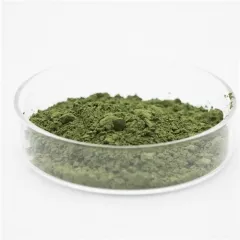


                  The Price of Innovation: Unveiling the Dynamics of Boron Powder Costs b4c powder

                  Comprehending Boron Powder and Its Applications

                  Boron powder, a functional product with distinct physical and chemical properties, plays a critical function in different state-of-the-art sectors. This great metal powder is crucial for creating boron substances, porcelains, semiconductors, and progressed alloys. Its applications span aerospace, automotive, electronics, and even atomic energy industries. Boron’s capability to improve strength, solidity, and thermal stability makes it vital in modern production procedures.


                  (TRUNNANO Boron Powder)

                  Elements Affecting Boron Powder Costs

                  Several variables contribute to the fluctuating price of boron powder, making it an essential consideration for manufacturers and researchers alike. Basic material schedule, manufacturing prices, market need, and worldwide economic conditions all affect prices characteristics. In addition, geopolitical factors such as trade policies and environmental laws can impact supply chains and, as a result, prices. Recognizing these variables is vital for stakeholders navigating the boron market.

                  Supply Chain and Manufacturing Expenses

                  The cost of boron powder is dramatically influenced by the schedule and removal techniques of resources. Boron is mostly sourced from borate minerals, which are focused in particular areas like Turkey, the United States, and Russia. Mining and refining these minerals right into useful boron powder involves intricate processes that include in production costs. Advanced purification techniques needed for high-purity boron more rise expenditures. Variations in raw material prices directly impact the last expense of boron powder, producing volatility in the marketplace.

                  Market Need and Economic Issues

                  International demand for boron powder has actually been continuously climbing because of its expanding applications in sophisticated innovations. Industries such as aerospace and electronics call for high-grade boron for specialized elements, driving up need. Financial conditions, consisting of GDP growth and commercial output, likewise play a substantial role. Arising markets, particularly in Asia, have actually seen fast automation, boosting the need for boron-based products. However, economic recessions can cause decreased demand, affecting boron powder costs negatively.

                  Geopolitical and Ecological Aspects

                  Geopolitical tensions and environmental guidelines can interfere with boron supply chains and influence rates. Trade policies, tariffs, and sanctions can restrict access to vital boron-producing areas, causing scarcities and rate spikes. Environmental problems over mining practices have brought about more stringent guidelines, including compliance costs. Initiatives to take on sustainable mining methods, while helpful in the long-term, can at first enhance production expenses. Balancing economic growth with ecological responsibility stays a challenge for the boron market.

                  Technologies in Manufacturing and Expense Reduction

                  Innovations in production modern technology deal promising remedies to mitigate climbing boron powder expenses. Technologies in removal and purification approaches can reduce reliance on conventional, more pricey procedures. As an example, new chemical decrease strategies and electrolysis methods reveal possible for lowering manufacturing costs. In addition, reusing and recycling boron-containing products can give different resources, lowering dependency on main mining. These innovations not just lower costs yet also promote sustainability in the boron market.

                  Future Potential Customers and Market Trends

                  Looking ahead, the boron powder market is anticipated to continue expanding, driven by enhancing demand in high-tech industries. Breakthroughs in materials science and engineering will broaden the variety of applications for boron, opening brand-new markets. Lasting practices and technological technologies will play an important duty in shaping future patterns. As sectors prioritize effectiveness and environmental obligation, the development of cost-efficient and green boron production techniques will be paramount.

                  Difficulties and Opportunities: Browsing the Boron Powder Market

                  Navigating the complexities of the boron powder market requires a critical technique. Manufacturers must remain notified concerning worldwide fads, governing changes, and technical developments to make enlightened decisions. Cooperation in between sector gamers, researchers, and policymakers can promote development and address difficulties. Embracing lasting methods and investing in research study will certainly produce possibilities for development and competitiveness in the boron market.


                  ( TRUNNANO Boron Powder)

                  Conclusion: The Rate of Advancement in Boron Powder

                  Finally, the cost of boron powder is affected by a wide variety of aspects, from raw material schedule and production prices to market need and geopolitical problems. Recognizing these dynamics allows stakeholders to browse the marketplace effectively and profit from emerging opportunities. As markets remain to innovate, boron powder stays a crucial element, driving development and forming the future of sophisticated materials. Embracing the complexities of boron pricing means accepting a future where technology fulfills sustainability.

                  Top notch boron powder Distributor

                  TRUNNANO is a supplier of Boron Powder with over 12 years of experience in nano-building energy conservation and nanotechnology development. It accepts payment via Credit Card, T/T, West Union and Paypal. Trunnano will ship the goods to customers overseas through FedEx, DHL, by air, or by sea. If you want to know more about b4c powder, please feel free to contact us and send an inquiry(sales5@nanotrun.com).

                  All articles and pictures are from the Internet. If there are any copyright issues, please contact us in time to delete.

                  Inquiry us
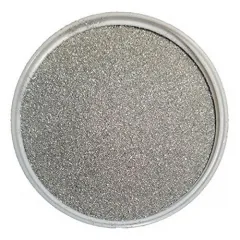


                    Unlocking Precision with Diamond Powder for Polishing: The Future of Surface Finishing winky lux diamond powder light

                    Introduction to Diamond Powder for Polishing

                    Diamond powder, renowned for its unmatched hardness and accuracy, has actually transformed the field of surface area ending up. Used in industries ranging from optics to semiconductor production, diamond powder uses unequaled efficiency in brightening applications. This post delves into the make-up, properties, applications, market patterns, and future prospects of diamond powder for polishing, highlighting its transformative effect on different industries.


                    (TRUNNANO Nano Diamond Powder)

                    The Composition and Properties of Diamond Powder

                    Diamond powder is made up of micron-sized fragments derived from artificial or all-natural rubies. Its special crystalline framework conveys phenomenal solidity, making it the hardest recognized material in the world. This property permits ruby powder to attain ultra-fine coatings on a wide range of products, including metals, ceramics, and glass. Additionally, ruby powder displays outstanding thermal stability and chemical inertness, making certain consistent efficiency under varying conditions. The capacity to regulate particle dimension distribution enables customized services for specific sprucing up demands, improving precision and performance.

                    Applications Across Diverse Industries

                    1. Optics and Photonics: In the optics market, ruby powder is essential for attaining optical-quality surfaces. It is used to polish lenses, mirrors, and other optical parts, making certain high openness and very little light spreading. The precision used by diamond powder permits makers to fulfill strict tolerances, vital for applications in telescopes, microscopes, and laser systems. Advanced polishing strategies using ruby powder have considerably enhanced the efficiency and reliability of optical tools.

                    2. Semiconductor Manufacturing: The semiconductor industry depends greatly on ruby powder for wafer sprucing up. Silicon wafers call for exceptionally smooth surface areas to make sure optimum electric efficiency and reduce problems. Diamond powder’s ability to eliminate tiny blemishes without causing damage makes it ideal for this application. Advanced Chemical Mechanical Planarization (CMP) processes integrate ruby powder to achieve uniform thickness and monotony across wafers, critical for producing high-performance semiconductors. As demand for smaller sized and extra powerful chips expands, the function of diamond powder in semiconductor construction ends up being significantly essential.

                    3. Medical Tools and Implants: In clinical device production, ruby powder makes certain the highest level of precision and biocompatibility. It is made use of to brighten surgical tools, dental implants, and orthopedic tools, supplying smooth surfaces that reduce friction and boost individual safety and security. The capacity to attain nanometer-level do with diamond powder improves the sturdiness and capability of these devices, contributing to much better scientific outcomes. The clinical industry’s focus on development and top quality positions ruby powder as a crucial element in advanced production procedures.

                    4. Automotive and Aerospace: The vehicle and aerospace industries take advantage of ruby powder’s ability to polish complex geometries and tough products. Engine elements, turbine blades, and other essential components call for exact surface coatings to enhance efficiency and longevity. Diamond powder’s adaptability allows it to be made use of in both wet and dry brightening procedures, adapting to the varied demands of these industries. The resulting sleek surface areas improve wear resistance, decrease upkeep costs, and extend the life expectancy of elements. As these industries remain to introduce, ruby powder remains a necessary device for achieving premium surface area finishes.

                    Market Patterns and Development Vehicle Drivers: A Progressive Viewpoint

                    1. Developments in Production Modern Technology: Fast innovations in manufacturing innovation are driving the need for greater precision and performance. Ruby powder’s ability to deliver ultra-fine surfaces lines up with the advancing needs of markets such as electronic devices, aerospace, and medical devices. Advancements in brightening devices and techniques even more expand the application capacity of diamond powder, setting new criteria in surface ending up. The integration of diamond powder in innovative manufacturing processes showcases its adaptability and future-proof nature.

                    2. Sustainability Initiatives: The worldwide push for lasting techniques has actually affected the advancement of eco-friendly polishing techniques. While diamond powder itself is highly resilient and reusable, efforts are underway to decrease waste and boost reusing procedures. Makers are discovering biodegradable carriers and reducing water usage in polishing operations. These campaigns advertise sustainability while maintaining the high efficiency and precision offered by ruby powder. As sectors prioritize ecological obligation, the fostering of sustainable polishing remedies will certainly continue to expand.

                    3. Expanding Demand for High-Performance Products: The raising use of innovative products, such as ceramics and composites, in various industries is enhancing the need for specialized polishing solutions. Diamond powder’s convenience and effectiveness make it ideal for polishing these difficult products, ensuring optimal surface finishes. The rise of additive production and 3D printing likewise provides brand-new chances for diamond powder in post-processing applications. As markets explore cutting-edge materials and producing techniques, the function of ruby powder in attaining precise and resilient finishes becomes significantly vital.

                    Challenges and Limitations: Navigating the Path Forward

                    1. Price Factors to consider: Despite its numerous benefits, diamond powder can be much more costly than conventional abrasives. This price variable may limit its adoption in cost-sensitive applications, especially in establishing areas. Producers should balance efficiency advantages against economic constraints when picking polishing materials. Resolving cost barriers via technical developments and efficient production techniques will be crucial for broader adoption and market infiltration.

                    2. Technical Proficiency: Successfully incorporating diamond powder into brightening processes requires specialized understanding and tools. Small drivers or those unfamiliar with its properties might encounter obstacles in optimizing ruby powder usage. Linking this void through education and learning and accessible modern technology will be crucial for broader adoption. Empowering stakeholders with the essential abilities will certainly open ruby powder’s full prospective throughout industries.


                    ( TRUNNANO Nano Diamond Powder)

                    Future Prospects: Innovations and Opportunities

                    The future of ruby powder for polishing looks encouraging, driven by the boosting need for accuracy and sustainability. Ongoing r & d will cause the production of brand-new formulations and applications for ruby powder. Developments in nanotechnology, eco-friendly chemistry, and wise manufacturing will certainly even more enhance its worth proposition. As sectors prioritize efficiency, sturdiness, and environmental responsibility, diamond powder is poised to play a crucial function fit the future of surface area finishing. The constant evolution of diamond powder guarantees amazing chances for development and growth.

                    Verdict: Embracing the Accuracy of Diamond Powder for Polishing

                    In conclusion, diamond powder for brightening deals unequaled precision and resilience, changing markets from optics to semiconductors. Its one-of-a-kind residential or commercial properties and extensive applications drive market growth and advancement. Comprehending the advantages and challenges of diamond powder enables stakeholders to make educated decisions and take advantage of emerging opportunities. Embracing ruby powder implies embracing a future where precision satisfies sustainability in surface completing.

                    High-grade Ruby Powder Provider for Sprucing Up

                    TRUNNANO is a supplier of nano materials with over 12 years experience in nano-building energy conservation and nanotechnology development. It accepts payment via Credit Card, T/T, West Union and Paypal. Trunnano will ship the goods to customers overseas through FedEx, DHL, by air, or by sea. If you want to know more about Spherical Niobium Powder, please feel free to contact us and send an inquiry.(sales5@nanotrun.com)

                    All articles and pictures are from the Internet. If there are any copyright issues, please contact us in time to delete.

                    Inquiry us