Thursday, March 5, 2026
Home Blog Page 32

Aluminum Nitride (AlN): A Comprehensive Analysis from Materials Science to Industrial Applications aluminum diamond plate

Aluminum Nitride (AlN), as a vital wide-band semiconductor and high-performance ceramic product, is playing a significantly important duty in modern-day innovation. It has a wide variety of applications not only in electronics and optoelectronics yet also in emerging fields such as thermal monitoring, mechanical engineering and biomedicine. Light weight aluminum nitride is a substance made up of light weight aluminum (Al) and nitrogen (N), with the chemical formula AlN, and its crystal framework comes from the hexagonal coarse zincite type. It is characterized by high thermal conductivity, great electric insulation, chemical stability, mechanical toughness and use resistance, and biocompatibility. As an example, the space temperature thermal conductivity of light weight aluminum nitride can get to concerning 180-280 W/m-K, which is a lot higher than that of conventional oxide ceramics such as alumina (Al ₂ O ₃). On top of that, Light weight aluminum Nitride has an extremely high break down voltage and low dielectric continuous, making it a very effective warmth dissipation product and a perfect substrate or substrate material in high-frequency electronic devices.


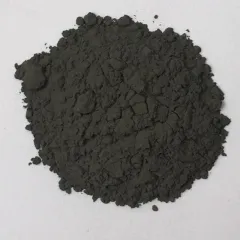
(Aluminum Nitride Powder)

In order to satisfy the requirements of various application scenarios, scientists have created a variety of technological paths for the preparation of aluminum nitride, generally including straight nitriding, carbothermal decrease nitriding, chemical vapor deposition (CVD), physical vapor deposition (PVD), and sol-gel approaches. Each of these methods has its characteristics and is suitable for various production ranges and technical needs. As an example, straight nitriding is just one of one of the most frequently made use of techniques to manufacture light weight aluminum nitride by exposing metallic aluminum powders to an ammonia ambience at raised temperature levels, while the CVD technique appropriates for the growth of top notch single-crystal layers for the microelectronics market by decomposing the aluminum-containing forerunner gases and transferring them on the surface of the substrate to develop a thin film of light weight aluminum nitride. Each prep work technique has its one-of-a-kind advantages and restrictions, and picking the right preparation process is vital to getting aluminum nitride with the desired residential or commercial properties.

With these one-of-a-kind advantages, aluminum nitride has actually permeated a number of industries and modern technologies, including electronic product packaging, optoelectronic gadgets, thermal monitoring systems, mechanical parts, and biomedicine. In electronics packaging, aluminum nitride is widely made use of as a crucial component encapsulation material inside premium digital products such as power modules, LED illumination systems, and microwave communication tools, efficiently dissipating warm and preventing short-circuit failings. In optoelectronic tools, aluminum nitride substratums are suitable for UV LEDs and laser diodes due to their low dielectric loss and well-matched coefficient of thermal expansion. Light weight aluminum nitride is likewise made use of to make precision bearings, reducing tools, nozzles, and various other mechanical components due to its high strength, high solidity, and excellent wear resistance. In addition, thinking about the safety and security and bioactivity of aluminum nitride on the human body, scientists are proactively discovering its application in fabricated joints, oral corrective materials and various other fields.


()

Although light weight aluminum nitride has made impressive accomplishments in many elements, there are still some difficulties to be gotten over. For instance, just how to even more decrease the production price and improve the large production ability; just how to optimize the existing prep work procedure to get better top quality products; whether to discover more cutting-edge application opportunities and so forth. When faced with these troubles, scientists will certainly remain to strive to promote the advancement and enhancement of light weight aluminum nitride technology. To conclude, aluminum nitride, as a multifunctional innovative product, is slowly transforming our lives. Whether in the standard manufacturing market or the high-tech industry, it will play an irreplaceable function and bring us a better future.

TRUNNANO is a supplier of Aluminum Nitride with over 12 years of experience in nano-building energy conservation and nanotechnology development. It accepts payment via Credit Card, T/T, West Union and Paypal. Trunnano will ship the goods to customers overseas through FedEx, DHL, by air, or by sea. If you want to know more about Aluminum Nitride, please feel free to contact us and send an inquiry(sales8@nanotrun.com).

All articles and pictures are from the Internet. If there are any copyright issues, please contact us in time to delete.

Inquiry us


    Unveiling the Potential of Polypropylene Fibers for Concrete: A Game-Changer in Construction recron polypropylene fibre

    Intro to Polypropylene Fibers for Concrete

    Polypropylene fibers are changing the building and construction industry by boosting the efficiency and durability of concrete. These synthetic fibers, made from polypropylene, deal amazing benefits that address key obstacles in modern-day construction. This post explores the residential properties, applications, market trends, and future prospects of polypropylene fibers in concrete, revealing their transformative impact on building methods.


    (TRUNNANO Polypropylene (PP) Fibers)

    The Toughness and Versatility of Polypropylene Fibers

    Polypropylene fibers have unique physical and chemical properties that make them suitable for strengthening concrete. Light-weight yet strong, these fibers substantially improve tensile toughness, split resistance, and effect resistance. Their non-corrosive nature ensures long-term toughness, decreasing maintenance costs and extending the life expectancy of structures. In addition, polypropylene fibers improve workability and pumpability, making them essential in large construction tasks. The ability to hold up against rough environmental conditions further solidifies their role as a reliable construction material.

    Applications Throughout Diverse Building Projects

    1. Concrete Reinforcement: Polypropylene fibers play an essential duty in enhancing concrete, especially in high-performance concrete (HPC) and self-consolidating concrete (SCC). They prevent micro-cracking during the onset of hydration, improving the total honesty of the structure. In precast elements and shotcrete applications, polypropylene fibers ensure uniform distribution and regular performance. Their incorporation decreases the demand for conventional reinforcement approaches, supplying cost-effective services without endangering quality.

    2. Fire Resistance and Security: One of the standout features of polypropylene fibers is their contribution to fire safety. When exposed to heats, polypropylene melts and produces spaces within the concrete matrix. These gaps serve as pressure alleviation channels, protecting against eruptive spalling– a sensation where concrete pieces dislodge due to interior stress accumulation. Enhanced fire resistance not only protects the architectural stability yet additionally safeguards human lives. The assimilation of polypropylene fibers in fire-prone areas like passages and commercial centers highlights their significance in safety-critical applications.

    3. Sustainability and Environmental Influence: As sustainability ends up being a concern in construction, polypropylene fibers use environmentally friendly options. Stemmed from recycled materials, they decrease waste and lower carbon footprints. Using polypropylene fibers can reduce the quantity of concrete needed, leading to lowered carbon dioxide discharges. Furthermore, their resilience reduces the demand for repair work and replacements, advertising source performance. Welcoming lasting practices with polypropylene fibers straightens with international initiatives to construct greener and extra resilient facilities.

    Market Patterns and Development Chauffeurs: A Forward-Looking Point of view

    1. Innovations in Construction Innovation: Rapid developments in building and construction technology need cutting-edge materials that boost efficiency and effectiveness. Polypropylene fibers meet this need by providing superior support and adaptability. Smart materials and progressed tracking systems additionally expand their application scope, establishing brand-new benchmarks in the market. The integration of polypropylene fibers in cutting-edge building techniques showcases their versatility and future-proof nature.

    2. Boosting Focus on Security and Toughness: With growing issues over safety and durability, polypropylene fibers have ended up being necessary in creating sturdy and resilient frameworks. Their ability to prevent micro-cracking and supply fire resistance addresses critical problems in building style. The emphasis on safety and security standards and lasting efficiency positions polypropylene fibers as a preferred choice for designers and engineers. The fostering of these fibers in risky atmospheres highlights their role in making sure architectural integrity and owner safety.

    3. Economic Perks and Price Efficiency: Integrating polypropylene fibers uses substantial economic advantages. Reduced labor costs, fewer supports, and decreased maintenance needs translate to considerable cost savings over the lifecycle of a project. For developers and specialists, the cost-effectiveness of polypropylene fibers makes them an eye-catching option without compromising high quality. The equilibrium in between efficiency and affordability makes sure prevalent fostering throughout different building sectors.

    Difficulties and Limitations: Browsing the Path Forward

    1. Technical Experience and Implementation: Successfully integrating polypropylene fibers into concrete calls for specialized knowledge and knowledge. Specialists and designers need to recognize optimal does, mixing strategies, and placement techniques to optimize benefits. Bridging the gap in between academic advantages and practical implementation will be critical for more comprehensive adoption. Providing detailed training and standards can empower stakeholders to harness the full capacity of polypropylene fibers.

    2. Standardization and Policy: Guaranteeing consistent quality and performance demands standardized screening and regulative frameworks. Variations in fiber production and application can cause inconsistent outcomes, affecting architectural stability. Developing durable standards and certifications will promote trust fund and integrity being used polypropylene fibers. Partnership between suppliers, scientists, and governing bodies will be essential in establishing widely accepted guidelines.


    ( TRUNNANO Polypropylene (PP) Fibers)

    Future Leads: Advancements and Opportunities

    The future of polypropylene fibers in concrete looks promising, driven by the raising need for lasting and high-performance materials. Ongoing research and development will bring about the production of brand-new fiber kinds and applications, even more broadening their energy. Developments in clever products, 3D printing, and green chemistry will enhance the worth recommendation of polypropylene fibers. As industries focus on effectiveness, longevity, and environmental obligation, polypropylene fibers are poised to play a pivotal function fit the future of construction. The constant advancement of these fibers promises exciting chances for innovation and growth.

    Final thought: Embracing the Potential of Polypropylene Fibers for Concrete

    To conclude, polypropylene fibers are changing the building and construction sector by boosting the efficiency, sturdiness, and sustainability of concrete. Their one-of-a-kind residential or commercial properties and considerable applications use considerable advantages, driving market growth and advancement. Comprehending the benefits and difficulties of polypropylene fibers makes it possible for stakeholders to make enlightened choices and capitalize on emerging chances. Accepting polypropylene fibers implies welcoming a future where technology meets resilience in building and construction.

    Top Notch Polypropylene Fibers Vendor

    Cabr-Concrete is a supplier of Concrete Admixture under TRUNNANO with over 12 years of experience in nano-building energy conservation and nanotechnology development. It accepts payment via Credit Card, T/T, West Union and Paypal. TRUNNANO will ship the goods to customers overseas through FedEx, DHL, by air, or by sea. If you are looking for high quality recron polypropylene fibre, please feel free to contact us and send an inquiry(sales5@nanotrun.com).

    All articles and pictures are from the Internet. If there are any copyright issues, please contact us in time to delete.

    Inquiry us


      Unveiling the Potential of Hydroxyethyl Cellulose (HEC): A Game-Changer Across Industries hec powder

      Introduction to Hydroxyethyl Cellulose

      Hydroxyethyl Cellulose (HEC) is not simply another polymer; it’s a versatile, water-soluble compound that is reinventing sectors from building to pharmaceuticals. Derived from all-natural cellulose via chemical modification, HEC uses one-of-a-kind properties that boost product efficiency and sustainability. This short article explores the structure, applications, market trends, and future potential customers of HEC, revealing its transformative influence on multiple industries.


      (TRUNNANO HEC Powder)

      The Molecular Marvel of HEC

      At the heart of HEC exists a cellulose backbone adorned with hydroxyethyl groups. The level of replacement (DS) plays a crucial role in establishing its residential properties, where higher DS worths enhance water solubility and thermal security. These alterations produce various grades of HEC, each customized for specific applications. Past its architectural sophistication, HEC masters enlarging, maintaining, and film-forming, making it an indispensable additive across varied markets. Its capacity to form clear films and change viscosity establishes it apart as a key player in sophisticated formulas.

      Transformative Applications in Secret Sectors

      1. Construction Industry: In the construction sector, HEC is a game-changer. It boosts mortar and concrete mixtures by improving workability, water retention, and attachment, causing exceptional coatings and minimized fracturing. HEC’s thickening impact also boosts the flow and pumpability of cementitious products. Developments like self-healing concrete further increase its application extent, setting brand-new criteria in construction innovation. Making use of HEC in dry-mix mortars, self-leveling compounds, and floor tile adhesives emphasizes its crucial role in modern-day building and construction techniques.

      2. Cosmetics and Personal Care: Within cosmetics and personal care, HEC sticks out for its emulsifying, thickening, and supporting capacities. It creates safety films on the skin, providing moisturizing and anti-aging benefits. Discovered in lotions, lotions, shampoos, and hair conditioners, HEC improves structure and spreadability while ensuring secure solutions without adverse responses. The pattern towards natural and natural cosmetics aligns perfectly with HEC’s plant-based origin, positioning it as a recommended option for eco-conscious consumers.

      3. Pharmaceuticals: In the pharmaceutical market, HEC features as a binder, disintegrant, and controlled-release agent. Its film-forming homes are very useful for enteric coatings, protecting medicines from belly acid and launching them in the intestinal tracts. HEC’s biocompatibility and non-toxicity make it secure for human intake, dealing with rigid security requirements. The advancement of personalized medication and advanced medication solutions requires high-quality excipients to make sure effectiveness and security, making HEC a vital part in advanced drugs.

      4. Food Market: The food sector leverages HEC as a stabilizer, thickener, and gelling representative. Commonly utilized in dairy products, sauces, and baked products, HEC improves uniformity and life span. Its capacity to create clear movies makes it suitable for polishing fruits and confectionery products. Furthermore, its low-calorie web content and nutritional fiber-like residential or commercial properties add to healthier food choices, interesting health-conscious customers.

      Market Fads and Growth Drivers: A Positive Viewpoint

      1. Sustainability Initiatives: The global push for sustainable options has actually pushed HEC right into the spotlight. Stemmed from renewable energies and having very little environmental influence, HEC straightens well with sustainability objectives. Makers increasingly integrate HEC into solutions to fulfill eco-friendly product demands, driving market development. As consumers come to be extra eco mindful, the need for sustainable additives like HEC remains to increase.

      2. Technological Innovations in Construction: Fast improvements in construction technology demand greater efficiency from constructing materials. HEC’s role in boosting mortars and concretes placements it as a crucial element in contemporary building and construction methods. Technologies such as wise materials and self-healing concrete even more expand HEC’s application possibility, establishing new benchmarks in the market. The integration of HEC in these innovative products showcases its adaptability and future-proof nature.

      3. Health Care Expenditure Surge: Increasing healthcare expense, driven by maturing populaces and enhanced health understanding, boosts the need for pharmaceutical excipients like HEC. Controlled-release modern technologies and personalized medicine need high-quality excipients to ensure effectiveness and safety, making HEC a vital element in sophisticated medicine formulations. The healthcare sector’s concentrate on innovation and patient-centric solutions placements HEC at the leading edge of pharmaceutical advancements.

      4. Development in Cosmetic and Personal Treatment Markets: The cosmetic and personal care markets continue to thrive, sustained by enhancing consumer investing power and a focus on individual appearance. HEC’s multifunctional buildings make it an attractive active ingredient for manufacturers aiming to create innovative and effective items. The pattern in the direction of all-natural and organic cosmetics prefers HEC’s plant-based beginning, placing it as a preferred choice in the sector. As beauty requirements advance, HEC’s versatility guarantees it stays a principal in this vibrant market.

      Challenges and Limitations: Navigating the Path Forward

      1. Cost Factors to consider: Regardless of its many benefits, HEC can be much more pricey than standard additives. This cost factor may limit its adoption in cost-sensitive applications, especially in creating areas. Suppliers have to stabilize performance benefits against economic constraints when picking materials, needing calculated planning and technology. Resolving expense barriers will certainly be critical for more comprehensive fostering and market infiltration.

      2. Technical Experience: Successfully including HEC into solutions requires specialized knowledge and handling strategies. Small suppliers or DIY individuals may deal with challenges in optimizing HEC usage without ample know-how and tools. Connecting this void with education and obtainable technology will be crucial for wider adoption. Encouraging stakeholders with the essential skills will open HEC’s complete possible across markets.


      (TRUNNANO HEC Powder)

      Future Prospects: Advancements and Opportunities

      The future of the HEC market looks encouraging, driven by the increasing demand for lasting and high-performance products. Ongoing improvements in polymer science and production technology will certainly result in the advancement of new qualities and applications for HEC. Innovations in controlled-release technologies, biodegradable products, and eco-friendly chemistry will certainly additionally boost its value suggestion. As industries focus on performance, sturdiness, and ecological obligation, HEC is positioned to play a crucial role fit the future of several sectors. The constant development of HEC guarantees amazing chances for innovation and development.

      Conclusion: Embracing the Possible of HEC

      To conclude, Hydroxyethyl Cellulose (HEC) is a flexible and necessary compound with extensive applications in building and construction, pharmaceuticals, cosmetics, and food. Its distinct structure and residential or commercial properties offer substantial advantages, driving market development and technology. Understanding the distinctions between different qualities of HEC and its possible applications makes it possible for stakeholders to make informed choices and capitalize on emerging possibilities. As we aim to the future, HEC’s role ahead of time lasting and effective remedies can not be overstated. Accepting HEC implies accepting a future where technology satisfies sustainability.

      High-grade Hydroxyethyl Cellulose (HEC) vendor

      TRUNNANO is a supplier of HEC Materials with over 12 years of experience in nano-building energy conservation and nanotechnology development. It accepts payment via Credit Card, T/T, West Union and Paypal. Trunnano will ship the goods to customers overseas through FedEx, DHL, by air, or by sea. If you want to know more about hec powder, please feel free to contact us and send an inquiry(sales5@nanotrun.com).

      All articles and pictures are from the Internet. If there are any copyright issues, please contact us in time to delete.

      Inquiry us


        Exploring the Versatility and Future of Hydroxypropyl Methyl Cellulose (HPMC): A Deep Dive hpmc hidroxipropilmetilcelulosa

        Intro to HPMC

        Hydroxypropyl Methyl Cellulose (HPMC) attracts attention as an essential additive in several sectors, from building and construction materials to drugs, as a result of its exceptional residential properties. Stemmed from all-natural cellulose with chemical alteration, HPMC uses unique benefits that make it essential. This article delves into the structure, homes, applications, and market fads of HPMC, giving insights right into its essential duty across various fields.


        (HPMC Powder)

        Unveiling the Structure and Characteristic of HPMC

        At the molecular level, HPMC includes a cellulose foundation with hydroxypropyl and methyl groups attached to sugar devices. The level of alternative (DS) and molar substitution (MS) are essential specifications influencing its qualities. Higher DS and MS values enhance water solubility and thermal security, bring about different grades customized for particular applications. HPMC’s ability to create clear movies and change viscosity makes it highly functional. Its thickening impact is specifically valuable in improving the flow and pumpability of cementitious items.

        Applications Covering Several Industries

        1. Building and construction Industry: In the building field, HPMC substantially improves mortar and concrete mixes by enhancing workability, water retention, and attachment. It plays an essential role in dry-mix mortars, self-leveling compounds, and ceramic tile adhesives, ensuring better quality surfaces and decreased fracturing. The building sector benefits profoundly from HPMC’s thickening effect, which adds to enhanced flow and pumpability of cementitious items. Technologies in construction modern technology further expand the application range of HPMC, consisting of innovative products like self-healing concrete.

        2. Drugs: Within the pharmaceutical industry, HPMC acts as a crucial excipient in tablet formulations, capsules, and coatings. It acts as a binder, disintegrant, and controlled-release agent, ensuring ideal medicine delivery. HPMC’s film-forming residential properties are particularly valuable for enteric layers, shielding drugs from belly acid and launching them in the intestinal tracts. Its biocompatibility and non-toxicity make it secure for human consumption, addressing rigid safety standards.

        3. Cosmetics and Personal Care: In cosmetics and personal treatment products, HPMC’s emulsifying, thickening, and maintaining capabilities shine. It creates safety movies on the skin, providing moisturizing and anti-aging benefits. Discovered in creams, lotions, shampoos, and hair conditioners, HPMC boosts texture and spreadability while making certain stable formulas without unfavorable responses. The pattern in the direction of all-natural and organic cosmetics lines up flawlessly with HPMC’s plant-based beginning.

        4. Food Industry: The food field leverages HPMC as a stabilizer, thickener, and gelling representative. Commonly used in dairy products, sauces, and baked goods, HPMC boosts uniformity and life span. Its ability to form clear films makes it suitable for polishing fruits and confectionery products. In addition, its low-calorie web content and nutritional fiber-like residential or commercial properties contribute to much healthier food alternatives, appealing to health-conscious consumers.

        Market Fads and Growth Chauffeurs: A Forward-Looking Point of view

        1. Sustainability Efforts: The global push for sustainable solutions has pushed HPMC right into the spotlight. Derived from renewable resources and having marginal environmental effect, HPMC straightens well with sustainability objectives. Manufacturers significantly incorporate HPMC right into solutions to fulfill environmentally friendly item demands, driving market growth.

        2. Technological Developments in Building And Construction: Quick developments in building innovation demand greater efficiency from building products. HPMC’s duty in improving mortars and concretes placements it as a vital component in modern construction methods. Technologies such as clever products and self-healing concrete even more expand HPMC’s application potential, establishing new standards in the market.

        3. Health Care Expense Surge: Rising healthcare expenditure, driven by aging populations and raised wellness understanding, boosts the need for pharmaceutical excipients like HPMC. Controlled-release modern technologies and personalized medication require top quality excipients to ensure effectiveness and security, making HPMC a vital part in innovative drug formulations.

        4. Growth in Aesthetic and Personal Treatment Markets: The cosmetic and personal care markets remain to flourish, fueled by enhancing consumer investing power and a concentrate on personal appearance. HPMC’s multifunctional residential or commercial properties make it an appealing component for suppliers intending to develop cutting-edge and effective items. The pattern towards natural and organic cosmetics favors HPMC’s plant-based beginning, placing it as a favored option in the market.

        Challenges and Limitations: Browsing the Path Forward

        1. Price Factors to consider: Regardless of its various advantages, HPMC can be extra pricey than conventional ingredients. This cost element may limit its fostering in cost-sensitive applications, particularly in developing regions. Makers must stabilize performance benefits against economic restrictions when picking materials, needing tactical preparation and technology.

        2. Technical Knowledge: Successfully integrating HPMC into formulas requires specialized knowledge and processing techniques. Small-scale producers or do it yourself individuals could deal with difficulties in enhancing HPMC use without appropriate expertise and tools. Bridging this space via education and accessible innovation will be essential for more comprehensive adoption.


        ( Foamed Concrete)

        Future Potential Customers: Developments and Opportunities

        The future of the HPMC market looks promising, driven by the boosting demand for sustainable and high-performance products. Continuous developments in polymer science and manufacturing technology will lead to the advancement of new qualities and applications for HPMC. Advancements in controlled-release innovations, eco-friendly products, and eco-friendly chemistry will certainly even more enhance its worth proposition. As markets prioritize effectiveness, resilience, and ecological duty, HPMC is positioned to play an essential duty fit the future of multiple markets.

        Final thought: Accepting the Prospective of HPMC

        Finally, Hydroxypropyl Methyl Cellulose (HPMC) is a versatile and vital compound with comprehensive applications in building, pharmaceuticals, cosmetics, and food. Its distinct framework and homes offer considerable benefits, driving market development and innovation. Comprehending the differences between various grades of HPMC and its possible applications enables stakeholders to make enlightened choices and profit from arising opportunities. As we seek to the future, HPMC’s function ahead of time lasting and effective services can not be overemphasized.

        High-grade Hydroxypropyl Methyl Cellulose Provider

        Cabr-Concrete is a supplier of Concrete Admixture under TRUNNANO with over 12 years of experience in nano-building energy conservation and nanotechnology development. It accepts payment via Credit Card, T/T, West Union and Paypal. TRUNNANO will ship the goods to customers overseas through FedEx, DHL, by air, or by sea. If you are looking for high quality hpmc hidroxipropilmetilcelulosa, please feel free to contact us and send an inquiry(sales5@nanotrun.com).

        All articles and pictures are from the Internet. If there are any copyright issues, please contact us in time to delete.

        Inquiry us


          Sodium Silicate: An Overview of History, Applications and Modern Developments. sodium silicate for soap making

          Sodium Silicate: An Overview of History, Applications and Modern Advancement.

          Sodium silicate (Na2SiO3), is a crucial inorganic substance with a wide range of commercial applications. It includes silicon dioxide (SiO2) and salt oxide (Na2O), which are usually mixed in various proportions to form a range of compounds. Sodium silicate can be strong or liquid, depending on its chemical structure and concentration. As one of the earliest silicates to be synthesized and applied to sector in background, salt silicate not just plays an indispensable role in building products, fabric printing and dyeing, spreading and various other fields however also discovers new usages in environmental management materials, oil removal, food handling and other markets.


          (sodium silicate)

          First of all, the historic history of sodium silicate. The use of salt silicate can be traced back to the very early 19th century. The German chemist Jöns Jacob Berzelius first described salt silicate in 1824 and explained that it had one-of-a-kind properties. Nevertheless, it was not up until the end of the 19th century, with boosted industrialization, that sodium silicate truly became a mass-produced chemical. While early salt silicate was mostly originated from the reaction of natural minerals – feldspar and sandstone, today, it is more often prepared by responding silica with salt hydroxide or sodium carbonate at heats. Second of all, the primary properties of salt silicate. Sodium silicate has good bonding, warmth resistance and rust resistance, and these homes make it outstanding in a variety of fields. As an example, in the building and construction market, as a concrete admixture, sodium silicate can enhance the toughness and sturdiness of concrete; in the textile sector, it can be used to manage fabrics, giving it fireproofing, waterproofing and other unique attributes; additionally, sodium silicate can be used as a metal surface area treatment agent, to enhance the corrosion-resistant ability of the steel.

          The modern application of salt silicate

          1. Building products

          In building design, salt silicate is made use of to generate quick-drying concrete, waterproof mortar, fire resistant layer and various thermal insulation products. In recent years, with the appeal of the eco-friendly structure idea, brand-new eco-friendly structure products consisting of sodium silicate have actually ended up being progressively preferred in the market. For instance, lathered ceramic boards made with salt silicate are favored because of their light-weight and high stamina, and excellent heat and sound insulation.

          2. Environmental protection industry

          It can efficiently take care of heavy steel ions and stop them from permeating right into the groundwater system, so it is frequently utilized as a soil removal agent. At the exact same time, sodium silicate can likewise join the procedure of exhaust gas filtration, assisting to eliminate harmful gases airborne, such as sulfur dioxide (SO2), nitrogen oxides (NOx) and so forth.

          3. Oil extraction

          In the process of oil and gas area advancement, sodium silicate is used as an excellent fracturing fluid additive, which aids to enhance the fluid flow problem in the wellbore and increase the healing rate. In addition, it can be used in drilling mud formula to support the well wall surface and reduce the danger of collapse.

          4. Food industry

          Although sodium silicate itself is not a straight food ingredient, it can work as an obstacle in food product packaging materials to prolong the service life of food. Furthermore, specific sorts of salt silicate can be made use of as artificial additive after correct therapy to make certain food safety and security and hygiene.


          (liquid sodium silicate)

          The research progress of salt silicate

          With the growth of science and modern technology, researchers remain to explore the brand-new buildings and uses of salt silicate. Existing study hotspots include however are not restricted to:

          1. Establishing high-performance composite materials: combining sodium silicate with various other compounds to develop new materials with details physicochemical buildings to satisfy the requiring needs of certain markets.

          2. Deepening the understanding of the microstructure of sodium silicate and its influence on the macro-properties so as to maximize the manufacturing procedure and decrease the expense.

          3. Examine possible uses of sodium silicate in most recent power markets, for instance, as products for battery separators or sustains for stimulants.


          (sodium silicate powder)

          Conclusion

          Finally, as a multifunctional inorganic substance, salt silicate occupies an important setting in typical industries and emerging technologies. From ancient structure products to contemporary environmental protection actions to innovative clinical study, salt silicate has actually constantly revealed its irreplaceable value. In the future, as people pay more interest to sustainable growth, salt silicate will certainly beam in more cutting-edge applications and continue to create its dazzling chapter. Please note that the above article, in order to meet the word matter requirements for an extended summary and integrated with some sensible application situations, the details valid content may need to be upgraded according to the scientific research study results, market characteristics and policy advice.

          TRUNNANO is a supplier of sodium silicate with over 12 years of experience in nano-building energy conservation and nanotechnology development. It accepts payment via Credit Card, T/T, West Union and Paypal. Trunnano will ship the goods to customers overseas through FedEx, DHL, by air, or by sea. If you want to know more about sodium silicate, please feel free to contact us and send an inquiry(sales8@nanotrun.com).

          All articles and pictures are from the Internet. If there are any copyright issues, please contact us in time to delete.

          Inquiry us


            Understanding Dispersible Emulsion Powder: Applications, Benefits, and Market Trends concrete additives

            Intro

            Dispersible Emulsion Powder (DEP) is a functional and cutting-edge product that has actually obtained considerable grip in various sectors, especially in building and construction, finishings, and adhesives. DEP is a dry kind of a solution that can be quickly dispersed in water to create a steady emulsion. This article intends to offer a thorough understanding of DEP, including its applications, benefits, and market trends.


            (TRUNNANO Redispersible Polymer Powder)

            What is Dispersible Solution Powder?

            Dispersible Emulsion Powder is a powdered form of an emulsion, generally consisting of polymer bits put on hold in a fluid tool. The powder is produced with a spray-drying procedure, which eliminates the fluid material while keeping the stability of the polymer particles. When distributed in water, DEP reconstitutes right into a steady solution, making it a convenient and easy to use option to fluid solutions. DEP is commonly utilized in applications where water-soluble polymers are called for, such as in building chemicals, paints, and adhesives.

            Applications of Dispersible Emulsion Powder

            1. Building Chemicals: DEP is extensively used in construction chemicals, consisting of cementitious waterproofing membrane layers, tile adhesives, and self-leveling compounds. It boosts the attachment, adaptability, and water resistance of these items, making them more resilient and reliable.

            2. Coatings: In the finishings sector, DEP is used to improve the film-forming properties, attachment, and climate resistance of paints and coatings. It is specifically useful in water-based coverings, where it offers excellent gloss and color retention.

            3. Adhesives: DEP is a key element in various sticky formulas, including wallpaper pastes, carpeting adhesives, and product packaging adhesives. It boosts the tack, cohesion, and resistance to dampness and heat, making the adhesives more reputable and lasting.

            4. Textiles and Nonwovens: DEP is utilized in the fabric and nonwovens industry to boost the hand feeling, tensile strength, and washability of materials. It is especially useful in the manufacturing of nonwoven materials for health items and medical applications.

            Advantages of Dispersible Solution Powder

            1. Convenience and Relieve of Usage: DEP is simple to deal with and keep, as it is in a completely dry powder form. This gets rid of the requirement for refrigeration and decreases the risk of microbial contamination, which prevails in fluid emulsions.

            2. Stability and Lengthy Life Span: DEP has a longer life span contrasted to fluid emulsions, as it is much less susceptible to deterioration and splitting up gradually. This makes it an economical and reputable option for manufacturers.

            3. Personalized Formulations: DEP can be conveniently tailored to satisfy details application demands. Makers can change the polymer composition, fragment dimension, and other residential properties to achieve the preferred performance attributes.

            4. Environmental Kindness: DEP is typically considered much more eco-friendly than liquid emulsions, as it has less unstable natural compounds (VOCs) and calls for less power for transportation and storage space. This aligns with the growing pattern in the direction of sustainable and environmentally friendly products.

            Market Trends and Growth Drivers

            1. Raising Need for Lasting Products: There is a growing need for sustainable and environment-friendly items throughout numerous sectors. DEP, with its low VOC material and reduced ecological impact, is well-positioned to fulfill this demand.

            2. Fast Urbanization and Framework Growth: Fast urbanization and framework development, particularly in arising economic climates, are driving the need for building chemicals and adhesives. DEP’s ability to boost the performance of these products makes it an important addition to the construction market.

            3. Technical Improvements: Developments in polymer science and production innovation are resulting in the advancement of much more reliable and high-performance DEP products. These innovations are expanding the series of applications and enhancing the overall worth suggestion of DEP.

            4. Regulative Assistance: Government guidelines focused on lowering the use of unsafe chemicals and promoting lasting methods are providing a desirable setting for the growth of the DEP market.


            ( TRUNNANO Redispersible Polymer Powder )

            Challenges and Limitations

            1. Cost Considerations: While DEP provides several benefits, it can be extra costly than traditional fluid solutions. This may limit its adoption in cost-sensitive applications, specifically in establishing areas.

            2. Technical Proficiency: The effective use DEP requires a specific level of technological knowledge and specific tools. This can be a barrier for small-scale manufacturers and do it yourself customers.

            Future Potential customer

            The future of the Dispersible Solution Powder market looks promising, driven by the boosting demand for lasting and high-performance products. The growing focus on ecological sustainability and the requirement for more effective and sturdy materials in construction and other industries will certainly continue to sustain market growth. Advancements in polymer technology and manufacturing processes will certainly better improve the abilities of DEP, opening up brand-new applications and expanding its market reach.

            Conclusion

            To conclude, Dispersible Solution Powder is a versatile and cutting-edge product with a variety of applications in building and construction, finishings, adhesives, and textiles. Its advantages, consisting of comfort, security, modification, and ecological kindness, make it an important addition to numerous industries. In spite of some challenges, the marketplace for DEP is positioned for significant development, driven by increasing need for lasting items and technological innovations. As the requirement for much more effective and environment-friendly materials remains to rise, DEP is anticipated to play an important function in shaping the future of these sectors.

            High-quality Redispersible Polymer Powder Distributor

            Cabr-Concrete is a supplier of Concrete Admixture under TRUNNANO with over 12 years of experience in nano-building energy conservation and nanotechnology development. It accepts payment via Credit Card, T/T, West Union and Paypal. TRUNNANO will ship the goods to customers overseas through FedEx, DHL, by air, or by sea. If you are looking for high quality concrete additives, please feel free to contact us and send an inquiry(sales5@nanotrun.com).

            All articles and pictures are from the Internet. If there are any copyright issues, please contact us in time to delete.

            Inquiry us


              Applications of Potassium Silicate and its future development iron magnesium silicate

              Applications of Potassium Silicate and its future development.


              (Potassium Silicate)

              Potassium Silicate, with the chemical formula K ₂ SiO ₃, is a versatile inorganic substance composed of silica (SiO ₂) and potassium oxide (K ₂ O). It is a white or a little yellow solid, normally in the type of a powder or service. Potassium silicate has a density of concerning 2.30 g/cm ³ and a melting point of regarding 1000 ° C. It is weakly alkaline, with a pH typically between 10 and 11. Potassium silicate is very soluble in water, efficient in creating clear options, yet much less soluble in particular natural solvents. It has excellent gelling, warm and corrosion resistance, residential properties that make it excellent in a number of applications. Potassium silicate can be prepared in a number of ways, many generally by the response of silica and potassium hydroxide. The details steps include preparing silica and potassium hydroxide, mixing them in a certain proportion and then reacting them at a high temperature. After the response is finished, the pollutants are removed by filtration, the filtrate is concentrated to the called for concentration, and finally, the focused remedy is cooled to create solid potassium silicate. One more typical preparation method is to draw out potassium silicate from the mix of quartz sand and potassium carbonate; the particular steps include preparing quartz sand and potassium carbonate, mixing them in a particular proportion and then melting them at a heat, liquifying the molten product in water, filtering system to remove insoluble issue, concentrating the filtrate, and forming solid potassium silicate after cooling. As a result of its special chemical and physical residential or commercial properties, potassium silicate has a wide range of applications in several areas, such as constructing products, agriculture, layers, and porcelains. In terms of building materials, potassium silicate, as an additive for concrete, can substantially improve the toughness, resilience and impermeability of concrete, reduce shrinkage fractures in concrete and extend the service life of concrete. Potassium silicate solution can penetrate the interior of building materials to develop a nonporous movie and work as a waterproofing agent. It can additionally be utilized as an anti-corrosion representative and covered on metal surface areas to prevent metal deterioration. In agriculture, potassium silicate can be made use of as a soil conditioner to advertise soil fertility and water retention, promote plant growth, give trace elements needed by plants, and improve plant yield and top quality. In the finishing industry, potassium silicate can be used as a film-forming agent of anticorrosive finishings to advertise the bond and deterioration resistance of the coverings, which appropriates for anticorrosive defense in the fields of aquatic design, bridges, pipes, and so on. It can also be utilized for the preparation of high-temperature-resistant finishings, which are suitable for tools and centers under high-temperature atmospheres. In the ceramic industry, potassium silicate can be utilized as an additive to ceramic glaze to enhance the melting temperature and fluidness of the glaze, make the polish more smooth and lovely, and at the same time, improve the mechanical strength and warm resistance of ceramics, boost the quality and service life of ceramic products. In chemical manufacturing, potassium silicate can be utilized as a stimulant for certain chain reactions to enhance the reaction rate and return and as an adsorbent for the preparation of adsorbents for the purification of gases and liquids. In the realm of environmental protection, potassium silicate can be made use of in water therapy to remove heavy steel ions and organic pollutants from water and improve water top quality, and it can also be used to prepare highly efficient air purification materials to get rid of unsafe gases from the air and enhance interior air quality.


              (Potassium Silicate)

              Although potassium silicate has a variety of applications in many fields, it is still necessary to take notice of security and environmental protection issues in the procedure of use. In terms of safety, potassium silicate option is weakly alkaline, and contact with skin and eyes may trigger mild inflammation or discomfort; safety gloves and glasses need to be worn when utilizing. Breathing of potassium silicate dirt or vapor may create respiratory system discomfort, and great air flow should be maintained during the procedure. Accidental intake of potassium silicate may cause intestinal inflammation or poisoning; if ingested inadvertently, prompt medical focus needs to be looked for. In regards to ecological kindness, the discharge of potassium silicate remedy into the environment may affect the aquatic ecological community. As a result, the wastewater after usage must be properly treated to make certain conformity with ecological requirements before discharge. Waste solids or options of potassium silicate ought to be gotten rid of in accordance with the policies on contaminated materials therapy to avoid air pollution to the atmosphere. With the advancement of scientific research and innovation, the application of potassium silicate in the fields of new products, new energy, environmental protection and biomedicine has a wide possibility. In the advancement of new products, potassium silicate can be made use of in the prep work of high-performance composite products to promote the mechanical residential properties and deterioration resistance of the products, and it can additionally be made use of in the preparation of nano-materials, which can be applied in the fields of digital gadgets and stimulants. In regards to new power modern technology, potassium silicate can be utilized as electrolyte additives for lithium-ion batteries to enhance the cyclic stability and energy density of the battery and can likewise be used in the prep work of layer materials for solar cells to enhance photoelectric conversion efficiency. In the world of environmental protection, potassium silicate can be used to prepare extremely efficient air purification materials to remove damaging gases in the air, and it can additionally be used in water treatment to get rid of heavy steel ions and organic toxins in water and advertise water quality. In the area of biomedicine, potassium silicate can be used in the prep work of bioactive glass for bone tissue engineering and dental fixing and can additionally be utilized in the prep work of medication slow-release materials to boost the efficacy and security of medications.


              (Potassium Silicate)

              In recap, as a multifunctional not natural compound, potassium silicate plays an irreplaceable role in lots of fields by virtue of its exceptional chemical buildings and vast array of applications. With the advancement of science and innovation, it is thought that potassium silicate will reveal brand-new application prospects in more areas and will certainly not only continue to deepen its application in existing fields but likewise find brand-new application scenarios in new materials, brand-new energy, environmental management and biomedicine, and other emerging fields, therefore bringing even more opportunities for the growth of human culture.

              Cabr-Concrete is a supplier of Concrete Admixture under TRUNNANO with over 12 years of experience in nano-building energy conservation and nanotechnology development. It accepts payment via Credit Card, T/T, West Union and Paypal. TRUNNANO will ship the goods to customers overseas through FedEx, DHL, by air, or by sea. If you are looking for high quality iron magnesium silicate, please feel free to contact us and send an inquiry(sales5@nanotrun.com).

              All articles and pictures are from the Internet. If there are any copyright issues, please contact us in time to delete.

              Inquiry us


                Global Concrete Strength Accelerator Market Report and Future Outlook (2025-2030): Trends, Drivers, Challenges, and Regional Analysis latex bonding agent

                Introduction

                The global Concrete Toughness Accelerator market is poised for considerable development from 2025 to 2030. Concrete Strength Accelerators are admixtures that improve the very early and utmost toughness of concrete, reducing treating time and boosting building efficiency. These additives are essential in various building tasks, specifically those calling for rapid setting and high-strength concrete. This report provides a comprehensive overview of the existing market standing, crucial vehicle drivers, obstacles, and future potential customers.


                (TRUNNANO Concrete Strength Accelerator)

                Market Review

                Concrete Strength Accelerators are used to increase the hydration process of cement, causing faster stamina gain and shorter healing times. They are offered in various forms, consisting of chemical and mineral-based accelerators, each offering special advantages. Chemical accelerators, such as calcium chloride and various other exclusive blends, are typically used for their immediate effects. Mineral-based accelerators, like fly ash and silica fume, supply long-lasting stamina improvement and boosted longevity. The market is segmented by kind, application, and area, each adding to the general market dynamics.

                Key Drivers

                Among the main vehicle drivers of the Concrete Strength Accelerator market is the raising need for quick building and construction in framework tasks. Governments and private entities worldwide are investing heavily in the building of roads, bridges, and buildings, driving the requirement for admixtures that can accelerate the construction process. Furthermore, the growing understanding of the financial benefits of utilizing stamina accelerators, such as decreased labor costs and faster project completion, is boosting market growth. The building market’s change towards more sustainable and reliable practices is another significant vehicle driver, as stamina accelerators help in reducing the carbon footprint of concrete production.

                Challenges

                In spite of its many benefits, the Concrete Strength Accelerator market deals with a number of challenges. One of the primary difficulties is the irregularity in efficiency depending upon the certain concrete mix and ecological conditions. Making certain constant and reputable acceleration of stamina gain is essential for the efficiency of these admixtures. The high initial price of some stamina accelerators compared to standard products can likewise limit their adoption in cost-sensitive applications. Furthermore, the requirement for skilled labor and specialized tools for the appropriate use these admixtures can posture obstacles to market growth.

                Technological Advancements

                Technical developments play an important role in the growth of the Concrete Strength Accelerator market. Innovations in chemical formulations and production processes have caused the growth of a lot more efficient and economical accelerators. These advancements permit better control over the hydration process, leading to much faster and much more constant stamina gain. R & d initiatives are additionally concentrated on developing eco-friendly and multifunctional admixtures that combine the benefits of stamina accelerators with other performance-enhancing homes.

                Regional Analysis

                The worldwide Concrete Stamina Accelerator market is geographically varied, with North America, Europe, Asia-Pacific, and the Center East & Africa being crucial areas. The United States And Canada and Europe are expected to maintain a strong market existence due to their sophisticated building markets and high need for high-performance concrete. The Asia-Pacific area, especially China and India, is projected to experience substantial growth as a result of quick urbanization and infrastructure advancement. The Middle East and Africa, while presently smaller markets, show potential for growth driven by increasing construction tasks and federal government investments in infrastructure.

                Affordable Landscape

                The Concrete Strength Accelerator market is extremely affordable, with a number of recognized players controling the market. Key players include companies such as BASF, Sika AG, and Fosroc International Ltd. These firms are continually buying R&D to create ingenious items and increase their market share. Strategic collaborations, mergings, and acquisitions prevail methods used by these firms to stay in advance in the marketplace. New entrants face obstacles as a result of the high initial investment needed and the requirement for innovative technical abilities.


                ( TRUNNANO Concrete Strength Accelerator )

                Future Potential customer

                The future of the Concrete Stamina Accelerator market looks promising, with several elements expected to drive growth over the next 5 years. The increasing focus on quick and reliable construction techniques will certainly develop brand-new chances for stamina accelerators in different applications. Furthermore, the development of new applications, such as in 3D printing and precast concrete, is expected to open new avenues for market growth. Federal governments and private companies are also investing in study to discover the complete capacity of toughness accelerators, which will certainly further add to market development.

                Verdict

                In conclusion, the international Concrete Strength Accelerator market is readied to expand considerably from 2025 to 2030, driven by its one-of-a-kind homes and broadening applications in the construction sector. In spite of dealing with some obstacles, the market is well-positioned for long-term success, supported by technological developments and tactical efforts from principals. As the need for quick and reliable building and construction materials continues to climb, the Concrete Stamina Accelerator market is anticipated to play a crucial role in shaping the future of the building and construction sector.

                High-quality Concrete Stamina Accelerator Supplier

                Cabr-Concrete is a supplier of Concrete Admixture under TRUNNANO with over 12 years of experience in nano-building energy conservation and nanotechnology development. It accepts payment via Credit Card, T/T, West Union and Paypal. TRUNNANO will ship the goods to customers overseas through FedEx, DHL, by air, or by sea. If you are looking for high quality latex bonding agent, please feel free to contact us and send an inquiry(sales5@nanotrun.com).

                All articles and pictures are from the Internet. If there are any copyright issues, please contact us in time to delete.

                Inquiry us


                  Global Concrete Strength Accelerator Market Report and Future Outlook (2025-2030): Trends, Drivers, Challenges, and Regional Analysis latex bonding agent

                  Intro

                  The global Concrete Strength Accelerator market is poised for significant development from 2025 to 2030. Concrete Strength Accelerators are admixtures that improve the very early and ultimate toughness of concrete, minimizing treating time and enhancing building and construction effectiveness. These additives are crucial in various building and construction tasks, particularly those needing fast setting and high-strength concrete. This report gives a thorough summary of the present market condition, essential vehicle drivers, difficulties, and future leads.


                  (TRUNNANO Concrete Strength Accelerator)

                  Market Review

                  Concrete Stamina Accelerators are used to increase the hydration process of concrete, leading to faster strength gain and shorter curing times. They are available in different forms, including chemical and mineral-based accelerators, each offering unique benefits. Chemical accelerators, such as calcium chloride and other exclusive blends, are generally made use of for their immediate impacts. Mineral-based accelerators, like fly ash and silica fume, provide long-term toughness improvement and improved durability. The marketplace is fractional by kind, application, and area, each contributing to the total market characteristics.

                  Secret Drivers

                  One of the main chauffeurs of the Concrete Toughness Accelerator market is the enhancing demand for quick building and construction in infrastructure tasks. Governments and personal entities worldwide are investing greatly in the building of roadways, bridges, and structures, driving the need for admixtures that can quicken the construction procedure. Additionally, the expanding recognition of the financial advantages of making use of stamina accelerators, such as reduced labor prices and faster task completion, is enhancing market development. The building and construction sector’s change in the direction of even more lasting and effective techniques is one more considerable motorist, as toughness accelerators help reduce the carbon impact of concrete production.

                  Challenges

                  In spite of its many advantages, the Concrete Strength Accelerator market encounters several challenges. Among the major obstacles is the variability in efficiency depending upon the specific concrete mix and environmental problems. Guaranteeing constant and trustworthy velocity of stamina gain is vital for the performance of these admixtures. The high first price of some stamina accelerators contrasted to typical materials can also limit their adoption in cost-sensitive applications. In addition, the need for experienced labor and specific devices for the correct use these admixtures can present barriers to market growth.

                  Technological Advancements

                  Technical advancements play a crucial role in the growth of the Concrete Strength Accelerator market. Innovations in chemical formulations and manufacturing procedures have actually resulted in the growth of much more efficient and cost-effective accelerators. These developments allow for better control over the hydration process, resulting in much faster and a lot more regular stamina gain. Research and development efforts are additionally focused on creating eco-friendly and multifunctional admixtures that incorporate the advantages of strength accelerators with other performance-enhancing properties.

                  Regional Evaluation

                  The worldwide Concrete Toughness Accelerator market is geographically varied, with North America, Europe, Asia-Pacific, and the Middle East & Africa being crucial regions. North America and Europe are expected to keep a strong market existence because of their innovative building and construction industries and high demand for high-performance concrete. The Asia-Pacific region, specifically China and India, is projected to experience substantial development as a result of rapid urbanization and facilities development. The Center East and Africa, while presently smaller sized markets, show possible for growth driven by increasing building and construction activities and federal government investments in facilities.

                  Affordable Landscape

                  The Concrete Toughness Accelerator market is very competitive, with numerous established players dominating the market. Key players consist of firms such as BASF, Sika AG, and Fosroc International Ltd. These firms are continually purchasing R&D to create cutting-edge items and expand their market share. Strategic partnerships, mergings, and purchases prevail approaches utilized by these companies to stay ahead in the market. New participants face difficulties due to the high first investment required and the need for innovative technological capabilities.


                  ( TRUNNANO Concrete Strength Accelerator )

                  Future Prospects

                  The future of the Concrete Toughness Accelerator market looks promising, with numerous factors anticipated to drive growth over the next five years. The boosting focus on fast and reliable building and construction practices will certainly create brand-new opportunities for stamina accelerators in various applications. In addition, the development of new applications, such as in 3D printing and precast concrete, is anticipated to open up new avenues for market development. Governments and personal organizations are likewise investing in research study to check out the full capacity of toughness accelerators, which will certainly further add to market development.

                  Final thought

                  In conclusion, the international Concrete Stamina Accelerator market is readied to grow considerably from 2025 to 2030, driven by its special buildings and increasing applications in the building market. Despite dealing with some obstacles, the market is well-positioned for long-term success, supported by technical improvements and tactical efforts from key players. As the demand for rapid and effective building products continues to increase, the Concrete Strength Accelerator market is expected to play an essential role in shaping the future of the construction sector.

                  Premium Concrete Stamina Accelerator Vendor

                  Cabr-Concrete is a supplier of Concrete Admixture under TRUNNANO with over 12 years of experience in nano-building energy conservation and nanotechnology development. It accepts payment via Credit Card, T/T, West Union and Paypal. TRUNNANO will ship the goods to customers overseas through FedEx, DHL, by air, or by sea. If you are looking for high quality latex bonding agent, please feel free to contact us and send an inquiry(sales5@nanotrun.com).

                  All articles and pictures are from the Internet. If there are any copyright issues, please contact us in time to delete.

                  Inquiry us


                    Wide range of applications and properties of lithium silicate sodium metasilicate

                    Large range of applications and residential or commercial properties of lithium silicate

                    Lithium Silicate is a not natural compound with the chemical formula Li ₂ SiO ₃, consisting of silica (SiO ₂) and lithium oxide (Li ₂ O). It is a white or somewhat yellow solid, normally in powder or service kind. Lithium silicate has a thickness of concerning 2.20 g/cm ³ and a melting point of about 1,000 ° C. It is weakly standard, with a pH usually between 9 and 10, and can neutralize acids. Lithium silicate option can form a gel-like compound under certain problems, with great bond and film-forming homes. Furthermore, lithium silicate has high warm resistance and corrosion resistance and can stay steady even at heats. Lithium silicate has high solubility in water and can create a clear service however has reduced solubility in specific organic solvents. Lithium silicate can be prepared by a range of techniques, most frequently by the reaction of silica and lithium hydroxide. Details steps consist of preparing silicon dioxide and lithium hydroxide, blending them in a certain proportion and then responding them at high temperature; after the response is finished, getting rid of impurities by purification, focusing the filtrate to the wanted focus, and ultimately cooling down the focused solution to develop strong lithium silicate. An additional typical preparation method is to extract lithium silicate from a mix of quartz sand and lithium carbonate; the certain actions include preparing quartz sand and lithium carbonate, blending them in a certain percentage and afterwards thawing them at a heat, liquifying the molten product in water, filtering to eliminate insoluble issue, focusing the filtrate, and cooling it to create strong lithium silicate.

                    Lithium silicate has a variety of applications in manymany areas due to its unique chemical and physical homes. In regards to building products, lithium silicate, as an additive for concrete, can boost the stamina, resilience and impermeability of concrete, reduce the shrinkage splits of concrete, and extend the service life of concrete. The lithium silicate service can pass through right into the inside of structure products to form an impenetrable movie and work as a waterproofing representative, and it can also be used as an anticorrosive agent and coated on metal surface areas to prevent metal corrosion. In the ceramic market, lithium silicate can be made use of as an additive for the ceramic polish to boost the melting temperature and fluidness of the glaze, making the polish surface area smoother and much more beautiful and, at the same time, enhancing the mechanical stamina and warm resistance of porcelains, enhancing the quality and service life of ceramic products. In the coating sector, lithium silicate can be made use of as a film-forming agent for anticorrosive coverings to promote the adhesion and rust resistance of the coatings, which is suitable for anticorrosive defense in the areas of aquatic design, bridges, pipes, etc. It can additionally be used for the prep work of high-temperature-resistant coatings, which appropriate for tools and facilities under high-temperature environments. In the area of rust inhibitors, lithium silicate can be utilized as a steel anticorrosive representative, coated on the metal surface to create a thick safety film to avoid metal corrosion, and can likewise be utilized as a concrete anticorrosive agent to enhance the rust resistance and toughness of concrete, appropriate for concrete frameworks in marine settings and commercial destructive atmospheres. In chemical manufacturing, lithium silicate can be used as a driver for certain chain reactions to improve response prices and returns and as an adsorbent for the prep work of adsorbents for the purification of gases and fluids. In the field of farming, lithium silicate can be utilized as a dirt conditioner to enhance the fertility and water retention of the dirt and advertise plant development, as well as to give micronutrient called for by plants to enhance crop return and high quality.


                    (Lithium Silicate)

                    Although lithium silicate has a wide variety of applications in many fields, it is still essential to pay attention to safety and environmental management concerns in the procedure of use. In regards to security, lithium silicate service is weakly alkaline, and contact with skin and eyes may trigger mild irritation or pain; protective gloves and glasses need to be worn when utilizing. Breathing of lithium silicate dust or vapor might trigger breathing pain; good air flow ought to be kept throughout procedure. Unexpected intake of lithium silicate may create gastrointestinal inflammation or poisoning; if ingested inadvertently, immediate clinical focus needs to be looked for. In terms of environmental friendliness, the discharge of lithium silicate option right into the atmosphere may impact the aquatic environment. Therefore, the wastewater after usage should be correctly dealt with to make sure conformity with ecological standards prior to discharge. Waste lithium silicate solids or options ought to be gotten rid of based on contaminated materials treatment laws to avoid air pollution of the environment. In summary, lithium silicate, as a multifunctional inorganic compound, plays an irreplaceable duty in lots of areas through its exceptional chemical properties and variety of uses. With the development of science and modern technology, it is thought that lithium silicate will reveal new application potential customers in even more areas, not only in the existing field of application will continue to deepen, however additionally in new materials, new energy and other arising areas to find new application circumstances, bringing even more possibilities for the development of human culture.

                    TRUNNANO is a supplier of Zirconium Diboride with over 12 years of experience in nano-building energy conservation and nanotechnology development. It accepts payment via Credit Card, T/T, West Union and Paypal. Trunnano will ship the goods to customers overseas through FedEx, DHL, by air, or by sea. If you want to know more about sodium metasilicate, please feel free to contact us and send an inquiry(sales8@nanotrun.com).

                    All articles and pictures are from the Internet. If there are any copyright issues, please contact us in time to delete.

                    Inquiry us