Thursday, March 5, 2026
Home Blog Page 38

Cement Crack-Resistant Additives: The Key to Building Durable Structures concrete additives to prevent cracking

In modern-day building, cement is a fundamental product that straight affects the top quality and lifespan of structures. Nonetheless, conventional cement products usually face issues such as fracturing because of drying out shrinkage and temperature level variants. In feedback to this difficulty, cement crack-resistant additives have been created. This write-up will certainly discover their functioning concepts, main features, and useful applications, supplying visitors with an extensive understanding of their relevance.

What Are Cement Crack-Resistant Ingredients?


(TRUNNANO Cement Crack-Resistant Additives)

Cement crack-resistant additives are chemical items especially developed to boost the efficiency of cement-based materials like concrete. When combined with cement, these additives considerably lower the development and development of micro-cracks triggered by variables such as drying shrinkage and temperature changes, thus greatly improving the toughness and stability of the end product.

Key Functions and Advantages

1. Lower Breaking By managing the workability of the cement paste, it lowers the shrinkage rate; this aids protect against splits in concrete during the treating process because of quick water dissipation.

2. Boost Toughness, raising the adaptability and flexible modulus of the material, makes the end product much more durable and resilient; this indicates that even when based on external forces, the concrete can much better stand up to damages.

3. Enhance Water Resistance Some crack-resistant additives additionally give outstanding water-repellent residential properties, better boosting the waterproofing capability of concrete elements; this is especially important for structures like cellars and tunnels that need excellent water resistance.

4. Easy to Utilize These ingredients are very easy to combine with routine cement and do not call for added complicated procedures; this not just streamlines the building procedure but also improves building efficiency.

In-depth Operating Principles

Cement crack-resistant additives attain their results with several vital devices:

1. Regulating Surface area Tension By modifying the inter-particle destination of concrete, it regulates the price of water dissipation, avoiding quick drying and the resulting contraction; this aids keep the uniformity and security of the concrete paste, minimizing inner tension focus because of quick water loss. As an example, in high-temperature or dry atmospheres, the cement paste would swiftly shed moisture, resulting in internal tensile stress and anxieties and cracks. Crack-resistant ingredients reduce the evaporation rate, permitting the cement paste to set slowly, thus reducing the occurrence of splits.

2. Enhancing Microstructure, They advertise the development of a much more small and secure network of vital substances like C-S-H gel, thereby improving the total mechanical strength of the system. C-S-H gel is a major item of the cement hydration procedure, and its thickness and stability directly impact the overall efficiency of the concrete. Crack-resistant ingredients advertise the development of C-S-H gel and ensure its even circulation throughout the concrete, therefore boosting the product’s strength and durability.

3. Introducing Adaptable Elements Some sorts of ingredients contain long-chain polymers or other flexible elements that work as “bridges” throughout the treating process. Even if local stress concentrations take place, these elements can quickly disperse the pressure, preventing fracture breeding. These versatile components can successfully soak up and disperse tension, hence boosting the toughness and split resistance of the concrete. For instance, when concrete undergoes outside lots or temperature level modifications, the adaptable elements can stretch and press like springs, minimizing stress concentrations and avoiding the formation and growth of fractures.

Are All Sorts Of Concrete Suitable for Adding Crack-Resistant Ingredients?

In theory, most average Portland concrete can be made use of with crack-resistant additives to achieve the desired effect. Nevertheless, it is necessary to keep in mind that different sorts of concrete (such as early-strength and low-heat concrete) may require particular formulas to make sure optimal efficiency. Prior to major application, it is suggested to accomplish small tests to make certain the compatibility and efficiency of the ingredients.

1. Common Rose City Concrete In most cases, general-purpose crack-resistant additives can be utilized; this type of cement is the most frequently made use of and has broad applicability. General-purpose crack-resistant ingredients normally fulfill the fundamental needs of common Portland concrete, enhancing its split resistance.

2.Early-Strength Concrete It is suggested to pick additives that can react promptly and give early-strength support. Early-strength concrete requires to achieve a specific degree of strength within a short period, so the reaction rate of the additive is important. For example, some early-strength concretes require to get to a particular strength within a couple of hours, which needs the crack-resistant additive to take effect rapidly.

3.Low-Heat Concrete Think about the thermal security of the additive to ensure it remains efficient under high-temperature conditions. Low-heat cement is suitable for large-volume concrete tasks and requires controlling the warmth of hydration to avoid thermal splitting. In such instances, selecting a crack-resistant additive with excellent thermal stability is vital to guarantee it keeps its efficiency at high temperatures.


( TRUNNANO Cement Crack-Resistant Additives)

Practical Application Instances

Although we will certainly not discuss specific jobs, we can show the sensible effects of concrete crack-resistant ingredients through some regular application scenarios:

1.High-Rise Buildings In skyscrapers, enhanced elevation results in better stress on the concrete as a result of temperature adjustments and wind lots. Crack-resistant additives can significantly minimize cracks caused by these elements, enhancing the safety and durability of the structure. As an example, in super-high-rise buildings, temperature level modifications and wind stress can cause substantial anxiety on the concrete structure. Crack-resistant additives assist the concrete much better stand up to these stresses, extending the structure’s lifespan.

2. Bridge Engineering Bridges frequently face extreme weather and website traffic tons. Crack-resistant ingredients can enhance the toughness and longevity of the concrete, extending the life of the bridge. Bridges experience various intricate environmental problems throughout use, such as freeze-thaw cycles and salt haze deterioration. Crack-resistant additives can improve the fracture resistance of the concrete, lowering upkeep prices.

3. Underground Engineering In metro passages and various other below ground centers, crack-resistant additives can supply far better water resistance, avoiding groundwater penetration and shielding the structure from deterioration. Below ground projects frequent a damp atmosphere, and groundwater infiltration is a common problem. Crack-resistant ingredients not only boost the water resistance of the concrete however likewise boost its overall stability.

High-grade Concrete Crack-Resistant Additives Provider

Cabr-Concrete is a supplier of Concrete Admixture under TRUNNANO with over 12 years of experience in nano-building energy conservation and nanotechnology development. It accepts payment via Credit Card, T/T, West Union and Paypal. TRUNNANO will ship the goods to customers overseas through FedEx, DHL, by air, or by sea. If you are looking for high quality concrete additives to prevent cracking, please feel free to contact us and send an inquiry(sales5@nanotrun.com).

All articles and pictures are from the Internet. If there are any copyright issues, please contact us in time to delete.

Inquiry us


    Market Status and Demand Analysis of Hydroxypropyl Methylcellulose (HPMC) hpmc 15

    Hydroxypropyl Methylcellulose (HPMC) is a non-ionic water-soluble cellulose ether. It is widely used in building, pharmaceuticals, food and other areas due to its good solubility, stability and film-forming buildings. In the last few years, with the international financial recuperation and the improvement of customers’ needs for lifestyle, especially in industries such as building products and pharmaceutical packaging materials, the demand for environmentally friendly ingredients has been growing. As a type of chemically changed all-natural polymer product with excellent efficiency and large application, HPMC plays an irreplaceable role in lots of sectors.

    Worldwide, the need for HPMC continues to rise as a result of the recuperation of the building and construction industry and the boost in people’s need for high-grade building material ingredients. According to pertinent data, the global HPMC market size in 2022 is about XX billion United States dollars, and it is anticipated to grow at a compound yearly growth price of regarding X% to about XX billion US dollars in 2028. The United States And Canada, Europe and Asia Pacific are the world’s major customer markets. Amongst them, the construction market inhabits the largest market share, followed by drugs and food handling. In the Chinese market, the sped up urbanization process and the rapid development of the real estate market have driven the residential demand for top quality building product additives; at the same time, in the area of medicine and health and wellness, the increased support of nationwide policies and the renovation of people’s wellness recognition has also made the application prospects of pharmaceutical-grade HPMC very broad. China’s HPMC production ventures are very focused, with the top 5 producers making up greater than 60% of the market share. Technical innovation has actually turned into one of the important driving forces for the advancement of the industry.


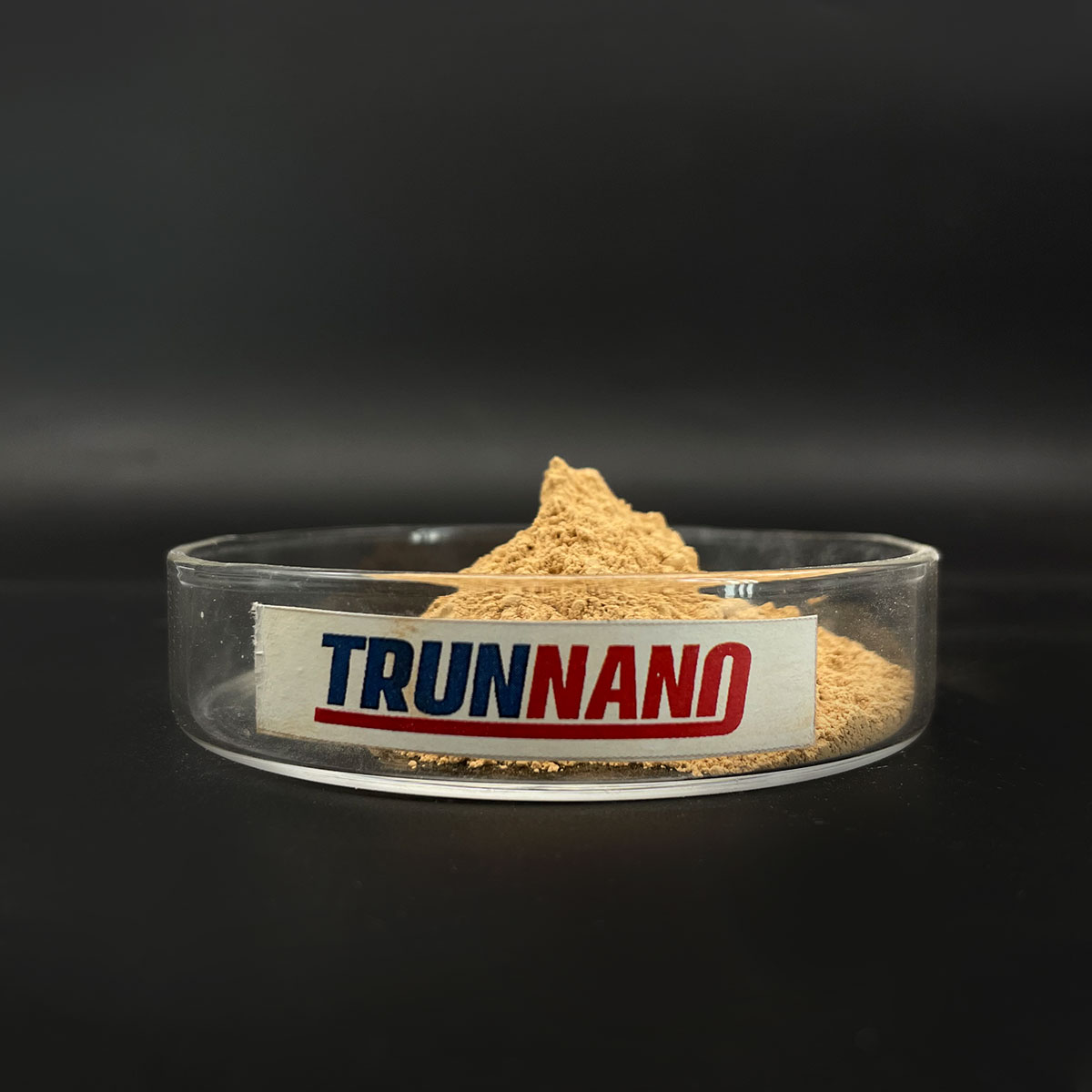
    (HPMC Powder)

    The major application locations of HPMC and its influencing factors

    In regards to specific applications, HPMC is generally used as a mortar thickener and binder in the building and construction sector, which can considerably boost the fluidness and water retention of dry-mixed mortar; in the pharmaceutical sector, it is extensively made use of as a tablet coating material, a provider for sustained-release prep work, and a suspension stabilizer in oral liquid preparations; in the food handling sector, HPMC can not just improve the taste of ice cream and prevent crystallization but likewise be used as an architectural modifier for baked items to enhance their structure. Nonetheless, regardless of solid market demand, several huge chemical firms in the house and abroad, such as DowDuPont and Shin-Etsu Chemical, have entered this field, causing heightened market competition. Additionally, increasing raw material expenses and cost changes have actually brought significant challenges to suppliers. At the very same time, significantly stringent environmental policies have actually required companies to enhance their investment in the r & d of environment-friendly production procedures to adjust to the pattern of lasting development.

    Furthermore, the application of HPMC is wider than those standard areas. With technical progression and technology, its new usages are additionally expanding. For instance, in individual treatment items, HPMC can be made use of as a thickener and emulsifier stabilizer; in the papermaking industry, it can be utilized as a damp strength representative to improve the toughness of paper. These arising applications have opened a wider market area for HPMC, and at the very same time, they have actually advanced higher requirements for its product high quality and technological degree.

    Future advancement trends and sector opportunities

    Looking to the future, with the diversity of consumer demand, the development of brand-new items with special capability will certainly come to be the focus of the focus of various business. Actively replying to the worldwide climate modification campaign and using renewable energies as resources to produce HPMC will be an inescapable option for the advancement of the market. At the exact same time, the solid need for facilities construction in arising market economies is anticipated to become a brand-new engine to drive the development of worldwide HPMC demand. Cross-border combination will certainly additionally be another vital direction. Combining with other new material innovations to explore a wider series of application scenarios will certainly open up brand-new growth factors for HPMC.


    ( Foamed Concrete)

    Technical technology will certainly continue to lead the future advancement of the HPMC industry. By continuously developing products with better performance, such as HPMC with greater transparency, more powerful adhesion or longer life span, business can satisfy the demands of details application situations and stick out in the fiercely competitive market. At the exact same time, in the face of significantly rigorous environmental criteria, the adoption of cleaner and more effective production procedures is additionally the trick to preserving competitiveness. This not just helps to reduce production costs but likewise decreases ecological contamination, which is in line with society’s assumptions for lasting growth.

    The growth of regional markets ought to not be disregarded either. With the execution of nationwide techniques such as the “Belt and Road Initiative,” Chinese firms have the opportunity to further explore abroad markets, particularly in the fields of facilities construction in Southeast Asia, Africa and various other locations, to locate participation chances. On top of that, reinforcing exchanges and collaboration with prominent worldwide business and finding out advanced management experience and production modern technology will additionally assist improve their core competition.

    In short, with its outstanding product features and wide application potential customers, HPMC will surely play a significantly crucial function in advertising premium financial and social development. For business in the industry, staying up to date with market fads, reinforcing independent r & d abilities, and proactively seeking worldwide participation will certainly be the key to attaining long-lasting development. With constant technology and improvement of the commercial chain, the HPMC industry will usher in a much more brilliant development prospect.

    Provider

    Cabr-Concrete is a supplier of Concrete Admixture under TRUNNANO with over 12 years of experience in nano-building energy conservation and nanotechnology development. It accepts payment via Credit Card, T/T, West Union and Paypal. TRUNNANO will ship the goods to customers overseas through FedEx, DHL, by air, or by sea. If you are looking for high quality hpmc 15, please feel free to contact us and send an inquiry(sales5@nanotrun.com).

    All articles and pictures are from the Internet. If there are any copyright issues, please contact us in time to delete.

    Inquiry us


      Sodium Silicate: A Promising Substitute in Detergent and Industrial Applications hydrated sodium silicate

      Technical Parameters of Powdered Immediate Salt Silicate (CAS 1344-09-8)


      (Technical Parameters of Powdered Instant Sodium Silicate (CAS 1344-09-8))

      Keep in mind: We can likewise tailor sodium silicate powder with moduli of 2.45, 2.5, and 3.4 according to your demands.

      Our Series Of Salt Silicate Moduli

      We provide powdered immediate sodium silicate with moduli varying from 2.0 to 3.3. Additionally, we can customize sodium silicate powder with moduli of 2.45, 2.5, and 3.4 to meet your details requirements.

      Introduction

      In an age where ecological sustainability and defense are increasingly prioritized, salt silicate, likewise known as water glass or soluble glass, has actually come to be a topic of considerable interest across numerous industries. This flexible inorganic compound is essential in building, paper manufacturing, and the formula of cleaning agents. The gradual phase-out of traditional phosphorus-based cleaning agent additives, such as sodium tripolyphosphate (STPP), as a result of their damaging influence on water settings, has actually produced a pushing requirement for reliable and environment-friendly alternatives. Sodium silicate, with its special residential or commercial properties, has emerged as a practical and appealing option.

      Market Possible

      2.1 Global Need Patterns

      The global market for concentrated artificial detergents is experiencing steady development, particularly with the raising appeal of ultra-concentrated powders. In 2000 alone, it was estimated that at least 230,000 lots of salt silicate were required to satisfy the need. Given the existing restricted global supply, there is a significant space in between supply and demand, suggesting considerable growth possibility. As consumers significantly seek high-quality and environmentally friendly products, the marketplace for sodium silicate is expected to increase significantly.

      2.2 International Competitive Placement

      Chinese-produced salt silicate usually provides a much more competitive price and similar, otherwise superior, top quality contrasted to similar items produced worldwide. For instance, the FOB rate of sodium silicate in the USA is around $51.15 per 100 extra pounds, while prices in Europe are even greater. This expense advantage placements Chinese manufacturers favorably in the global market. By continuously innovating and improving item quality, Chinese makers have the opportunity to catch a larger share of the worldwide market.

      Review of Sodium Silicate

      Salt silicate is a compound composed of silicon dioxide (SiO ₂) and salt oxide (Na ₂ O), usually represented by the formula Na ₂ O · nSiO ₂, where n differs depending on the specific type. It is recognized for its good solubility, high pH level, and exceptional cleansing homes, making it an excellent additive for cleaning agents. Past its usage in detergents, sodium silicate is commonly utilized in the building and construction sector, such as in waterproofing products and sealants. In the paper industry, it enhances the strength and smoothness of paper. Additionally, it locates applications in textile dyeing, oil removal, and various other industries.

      Production Process

      1. Preparation of Raw Materials: The process begins with the option of suitable basic materials, consisting of silica sand or soluble glass, in addition to caustic soft drink.

      2. Dissolution Phase: The raw products are mixed and warmed to an ideal temperature level to promote dissolution, guaranteeing complete blending of all parts.

      3. Crystallization Control: Details conditions are managed to promote the formation of wanted crystal structures in the service. Temperature and stress specifications must be specifically handled during this stage.

      4. Purification and Filtration: A plate and structure filter press is utilized to eliminate surplus wetness and contaminants, consequently assuring the end product’s purity.

      5. Drying and Creating: Spray drying innovation is utilized to lower the dampness web content additionally, leading to a powder form that is simple to shop and transportation.

      Economic Analysis

      From a monetary viewpoint, the production of salt silicate offers clear benefits. For a plant with a yearly capability of 5,000 loads, the price malfunction is as follows:

      1. Variable Costs: Around $346.71 per load, that includes resources (silica sand/soluble glass and caustic soft drink), power intake (electrical energy and fuel), and labor prices.

      2. Fixed Costs: Around $141,400 every year, covering devaluation of set assets, maintenance, administration fees, lending passion, and various other expenses.

      3. Total Prices: The consolidated complete cost is estimated at $385.71 per load.

      4. Sales Income: With an approximated selling price of 642.86 perton, theprofitmarginpertonwouldbeapproximately642.86 perton, theprofitmarginpertonwouldbeapproximately257.15.

      5. Economic Conveniences: The project could generate yearly revenue of around 3.21 million, contributingroughly3.21 million, contributingroughly1.29 million in tax earnings.

      This financial evaluation shows that sodium silicate not only provides significant technical benefits but is likewise very economically practical. For making firms, purchasing the production and promo of salt silicate can yield considerable economic returns while boosting their company social obligation image.


      ( sodium silicate)

      Conclusion

      In summary, sodium silicate, with its superior technical performance and low production expenses, holds fantastic possible as a replacement for typical phosphorus-based ingredients. As environmental guidelines become more stringent and customer demand for high-quality, green items grows, accelerating the research study, advancement, and commercialization of salt silicate will be vital for changing the global cleaning agent sector. For investors, entering this field not only sustains corporate social responsibility but also promises appealing economic returns and societal benefits. With continuous technical innovations and an increasing market, the prospective uses of sodium silicate are considerable and benefit further expedition and growth by industry stakeholders and research study establishments.

      Premium Salt Silicate vendor

      TRUNNANO is a supplier of Sodium Silicate Materials with over 12 years of experience in nano-building energy conservation and nanotechnology development. It accepts payment via Credit Card, T/T, West Union and Paypal. Trunnano will ship the goods to customers overseas through FedEx, DHL, by air, or by sea. If you want to know more about hydrated sodium silicate, please feel free to contact us and send an inquiry(sales5@nanotrun.com).

      All articles and pictures are from the Internet. If there are any copyright issues, please contact us in time to delete.

      Inquiry us


        Polycarboxylate High-Performance Powder Superplasticizer: A New Star in Building Materials concrete mix additives

        With the rapid development of the building and construction market, the requirements for structure material efficiency are continuously raising. Among these, concrete, as one of one of the most crucial building products, has actually ended up being a centerpiece for many researchers and engineers to optimize its buildings. In this context, polycarboxylate high-performance powder superplasticizers have actually gradually arised as a result of their premium efficiency, coming to be a crucial product for improving the high quality of concrete.

        What is a Polycarboxylate High-Performance Powder Superplasticizer?


        (TRUNNANO polycarboxylate superplasticizer)

        A polycarboxylate high-performance powder superplasticizer is a natural compound manufactured via particular chain reaction. It primarily consists of long-chain polymers with various carboxyl groups (- COOH) distributed along the chains; thisunique molecular framework gives polycarboxylate superplasticizers superb dispersibility and security, allowing them to considerably reduce water content or enhance fluidity without endangering the workability of the concrete. Furthermore, due to its efficient adsorption buildings, it can achieve exceptional results also at reduced dosages.

        Performance Characteristics and Advantages

        1. High-Efficiency Water Reduction: Compared to conventional superplasticizers such as lignosulfonates or naphthalene-based superplasticizers, polycarboxylate items can achieve much more substantial water decrease at lower addition prices; thismeans that while preserving the exact same fluidness, the called for quantity of water can be significantly decreased, thus decreasing the water-to-cement proportion and boosting the stamina of the concrete.

        2. Enhanced Toughness: Correct use this superplasticizer can boost the portable setup of cement fragments, leading to an extra uniform and dense concrete paste. This renovation increases the compressive strength of the hard concrete, which is critical for structures that need to support heavy loads.

        3. Improved Longevity: By boosting the thickness and lowering the porosity, polycarboxylate superplasticizers can successfully enhance the resistance of concrete to hostile settings (such as seawater, freeze-thaw cycles, and so on); thisnot only extends the life span of structures but additionally minimizes maintenance prices.

        Favorable Influence On Concrete Durability

        Polycarboxylate superplasticizers not just improve the workability of concrete however additionally substantially boost its lasting resilience:
        1. Enhanced Freeze-Thaw Resistance: The tighter inner framework of the concrete, achieved with polycarboxylate superplasticizers, minimizes the possibility for water to go into, reducing the risk of damages from expansion and contraction brought on by temperature modifications; thisis especially important in cold areas.

        2. Avoidance of Support Deterioration: The good thickness given by polycarboxylate superplasticizers aids avoid destructive media such as chloride ions from passing through the surface of the reinforcement, postponing the deterioration procedure; thisis crucial for structures in coastal areas where high-salt air accelerates the rust of steel.

        3. Enhanced Impermeability: For projects needing waterproofing, boosted impermeability is particularly vital as it straight influences the security and life-span of the building. By lowering pores and splits, polycarboxylate superplasticizers can considerably enhance the water resistance of concrete.

        Application Areas

        1. Skyscraper and Large Bridge Jobs: These require high stamina and fluidness, making polycarboxylate superplasticizers excellent. For instance, in super-high-rise structures, the concrete must have adequate pumpability and great workability.

        2. Prefabricated Element Production: Ensures smooth and flat surface areas of premade parts, minimizing the development of bubbles; thisnot only boosts the top quality of the completed item yet likewise simplifies post-processing.

        3. Underground Passage Building: Specifically ideal for waterproofing in locations with bountiful groundwater. Below ground jobs usually encounter complex geological and hydrological conditions, and using polycarboxylate superplasticizers can dramatically improve architectural safety and security.

        4. Special Function Concrete Preparation: Such as self-compacting concrete (SCC) and lightweight insulating concrete. These special concretes demand higher workability and durability, making polycarboxylate superplasticizers a suitable option.

        Use Approaches and Precautions

        While polycarboxylate high-performance powder superplasticizers supply countless advantages, some key points must be kept in mind throughout functional application:

        1. Select the Appropriate Product Based on Project Needs: Various types of polycarboxylate superplasticizers appropriate for various applications. For that reason, it is important to recognize the particular requirements of the project prior to acquiring completely.

        2. Accurately Manage the Enhancement Rate: Excessive quantities might bring about extensive setting times and other issues. The right amount of superplasticizer can attain the very best outcomes, however overuse can be counterproductive.

        3. Make Certain Thorough and Uniform Combining: Good blending makes certain that the superplasticizer is uniformly dispersed throughout the concrete mix, making certain regular efficiency across all components.

        4. Shop in Dry and Well-Ventilated Issues: Correct storage space prevents wetness absorption and destruction, guaranteeing that the efficient parts of the superplasticizer stay intact and maintain their performance.

        Conclusion


        ( TRUNNANO polycarboxylate superplasticizer)

        In recap, polycarboxylate high-performance powder superplasticizers are not only efficient in enhancing the performance of concrete however are also essential factors in making sure the durability and safety and security of structures. Appropriately selecting and using these sophisticated materials will certainly give strong support for the building and construction of high-quality, resilient facilities. As modern technology developments and environmental understanding rises, polycarboxylate high-performance powder superplasticizers will play an increasingly essential function in future construction tasks.

        Top Quality Polycarboxylate Superplasticizer Provider

        Cabr-Concrete is a supplier of Concrete Admixture under TRUNNANO with over 12 years of experience in nano-building energy conservation and nanotechnology development. It accepts payment via Credit Card, T/T, West Union and Paypal. TRUNNANO will ship the goods to customers overseas through FedEx, DHL, by air, or by sea. If you are looking for high quality concrete mix additives, please feel free to contact us and send an inquiry(sales5@nanotrun.com).

        All articles and pictures are from the Internet. If there are any copyright issues, please contact us in time to delete.

        Inquiry us


          Application and technological innovation of concrete water-reducing admixtures: the key to improved performance and sustainability mid range concrete additive

          Concrete is an indispensable product in contemporary architecture and infrastructure building and construction. In order to fulfill the expanding need for high-performance concrete, water-reducing admixtures, as one of the important admixtures, play a key duty in boosting the workability, strength and resilience of concrete; this short article assesses the standard concepts, kinds, application standing and technological development of water minimizing agents, and reviews its essential duty in promoting the sustainable development of the concrete industry.

          As the demand for high-performance concrete in the building and construction sector continues to enhance, the application of concrete admixtures, specifically water-reducing admixtures, has gotten increasing interest. Water-reducing admixtures dramatically enhance the quality and building performance of concrete by reducing the water intake for concrete blending without decreasing its functioning performance. This post intends to deeply explore the system of action, the major sorts of water-reducing representatives and their newest progression in technical development.


          (TRUNNANO concrete superplasticizer)

          Standard principles of water-reducing representative

          Water-reducing admixture is a chemical additive that can substantially decrease the quantity of water utilized in concrete blending without reducing its working efficiency. Its fundamental concept is to develop a protective movie by adsorbing externally of concrete bits, consequently lowering the rubbing between concrete particles and making the cement slurry a lot more fluid. This not just improves the workability of the concrete but additionally boosts its strength and toughness.

          Main kinds of water-reducing representatives

          Typical water-reducing representative

          Lignosulfonate: This is a very early water-reducing representative with an inexpensive but a relatively low tide reduction rate.

          Naphthalene-based water-reducing representative: has an excellent water-reducing impact however has specific ecological troubles.

          High-efficiency water-reducing agent (HEA)

          Polycarboxylate water-reducing representative (PCE): one of the most popular items on the market today, with a high water-reducing rate, reduced dose and great versatility. PCE is adsorbed on the surface of cement particles via a long-chain polymer structure, creating a steric limitation impact, thereby considerably reducing the water-cement proportion.

          Application status of water-reducing agent

          Improve the workability of concrete: Water-reducing agents can significantly boost the fluidness of concrete, making it much easier to put and shape, which is particularly vital in tasks with complicated structures and high-density requirements.

          Improve the mechanical homes of concrete: By reducing the water-cement proportion, superplasticizers can boost the compressive toughness and tensile strength of concrete, consequently expanding the service life of the structure.

          Improve the resilience of concrete: Water-reducing representatives can also improve the impermeability and freeze-thaw resistance of concrete, reducing the event of splits and therefore boosting its longevity.

          technological development

          Environmentally friendly water-reducing representative

          Over the last few years, in order to meet the demands of environmental management, even more environmentally friendly water-reducing representatives have actually been established. For example, bio-based water-reducing representatives utilize renewable resources as basic materials and brand-new water-reducing representatives that decrease power usage and discharges by enhancing production procedures.

          Multifunctional water-reducing representative

          In addition to the fundamental water-reducing result, modern-day water-reducing agents also have a variety of functions, such as slump security, thickness reduction, shrinking reduction, and so on. These multifunctional homes make it possible for water-reducing admixtures to better adjust to various building and construction atmospheres and special needs.

          Intelligent control technology

          With the growth of the Internet of Things and artificial intelligence modern technology, smart control technology has also been introduced into the application of water-reducing agents. By keeping an eye on and readjusting the efficiency parameters of concrete in real-time, extra precise percentages and greater building performance can be attained.

          The duty of water-reducing representatives in accomplishing net zero discharges


          ( TRUNNANO foamed concrete blocks)

          Lower cement use

          Efficient water-reducing agents can significantly reduce the quantity of concrete utilized in concrete, straight decreasing carbon dioxide discharges. According to statistics, every 1% reduction in cement intake can minimize CO ₂ exhausts by concerning 0.9 kg.

          Enhance mix composition

          By including suitable water-reducing representatives, the proportion of recycled products, such as waste residue, can be increased, and the intake of primary resources can be lowered without affecting the efficiency of concrete. This not only lowers manufacturing costs but likewise aids accomplish resource recycling.

          Boost building efficiency

          Great functioning performance suggests faster building development, which indirectly decreases power waste triggered by long-term procedures. Furthermore, efficient water-reducing representatives can also decrease water consumption at the building and construction website and more reduce ecological influence.

          To conclude

          As a crucial admixture for concrete, water-reducing admixture plays a vital duty in improving the performance of concrete and promoting the lasting advancement of the sector. With the continual advancement of modern technology, water reducing agents will remain to establish towards higher efficiency and reduced power intake, contributing to developing a greener and extra eco-friendly building setting. Future research ought to focus on exactly how to boost the environmental performance of water-reducing agents better and create more multifunctional and intelligent products to satisfy transforming market demands.

          Supplier

          Cabr-Concrete is a supplier of Concrete Admixture under TRUNNANO with over 12 years of experience in nano-building energy conservation and nanotechnology development. It accepts payment via Credit Card, T/T, West Union and Paypal. TRUNNANO will ship the goods to customers overseas through FedEx, DHL, by air, or by sea. If you are looking for high quality mid range concrete additive, please feel free to contact us and send an inquiry.

          All articles and pictures are from the Internet. If there are any copyright issues, please contact us in time to delete.

          Inquiry us


            Sodium Silicate Production Technology and Market Prospects silicate for soap making

            Technical Parameters of Powdered Instant Sodium Silicate (CAS 1344-09-8)


            (Technical Parameters of Powdered Instant Sodium Silicate (CAS 1344-09-8))

            Keep in mind: We can likewise tailor sodium silicate powder with moduli of 2.45, 2.5, and 3.4 according to your demands.

            Our Range of Salt Silicate Moduli

            We provide powdered split second salt silicate with moduli varying from 2.0 to 3.3. Additionally, we can personalize salt silicate powder with moduli of 2.45, 2.5, and 3.4 to fulfill your certain demands.

            Intro

            Among the intensifying worldwide concentrate on ecological conservation and sustainable advancement, salt silicate, a pivotal inorganic substance, is amassing heightened interest across diverse commercial domain names. Also called water glass or soluble glass, salt silicate is a functional inorganic compound. It not only plays a crucial role in the building and construction and paper sectors but is additionally an essential component in cleaning agent production. Recently, conventional phosphorus-containing detergent additives like sodium tripolyphosphate (STPP) have been eliminated because of their serious contamination of water bodies. Hence, journalism demand for effective and environment-friendly options has actually emerged. Versus this background, sodium silicate has gained substantial focus because of its distinct efficiency benefits.

            Market Potential customer

            1. Worldwide Demand

            The worldwide production of synthetic cleaning agents is continuously expanding, with a raising share of extremely concentrated powders. It is approximated that a minimum of 230,000 lots of sodium silicate were required in the year 2000 alone to meet market need. Presently, the international production of salt silicate is restricted, leading to a considerable supply-demand void, which suggests substantial development possibility. As worldwide customers increasingly require top notch living standards, the need for environmentally friendly cleaning agents will additionally increase, better driving the development of the sodium silicate market.

            2. International Competitiveness

            Contrasted to a lot of worldwide equivalents, Chinese-produced sodium silicate not only supplies a significant price advantage but also boasts remarkable top quality, making it very competitive for export. For example, in the USA, the FOB rate for salt silicate is approximately $51.15 per 100 extra pounds, while costs in Europe are even greater; this makes Chinese-produced sodium silicate highly affordable in the international market. With continuous technological development and high quality enhancement, Chinese-produced salt silicate is poised to capture a bigger share of the global market.

            Review of Salt Silicate

            Salt silicate is a substance created from silicon dioxide (SiO ₂) and sodium oxide (Na ₂ O), normally represented by the formula Na ₂ O · nSiO ₂. Depending upon the value of n, various kinds can be classified. Salt silicate displays superb solubility, a high pH, and superior cleaning residential properties, making it an optimal detergent additive. Past its use in detergents, sodium silicate is widely used in the construction market as a waterproofing material and sealant. In the paper industry, it improves the strength and smoothness of paper. In addition, it locates applications in textile dyeing, oil extraction, and other areas.

            Production Process of Salt Silicate

            1. Resources Preparation: Use water glass (or quartz sand) and caustic soft drink as base products.

            2. Dissolution Stage: Mixing the raw materials and heating them to a suitable temperature to advertise dissolution, guaranteeing all components are totally blended.

            3. Formation Therapy: Managing conditions to form specific crystal frameworks, needing precise policy of temperature and stress specifications.

            4. Filtration and Separation: Utilizing plate and framework filters to get rid of excess water and contaminations, ensuring item purity.

            5. Drying and Forming: Using spray drying technology to lower the dampness web content further, ultimately creating a powdered final product, which is very easy to shop and transportation.


            ( sodium silicate)

            Cost-Benefit Evaluation

            1. Variable Prices: Roughly $346.71 per bunch, including raw materials (water glass/quartz sand + caustic soda), power intake (electrical power + fuel), and labor costs.

            2. Fixed Prices: About $141,400 per year, covering depreciation and upkeep of fixed assets, administration costs, passion on financings, and various other expenses.

            3. Complete Costs: Taking into consideration all elements, the estimated price per ton of finished item is around $385.71.

            4. Sales Profits: With an estimated selling price of 642.86 per heap, the revenue margin is about 642.86 per heap, theprofitmarginisabout257.15 per lot.

            5. Economic Conveniences: The yearly result worth can get to 3,214,300, contributingapproximately3,214,300 contributingapproximately1,285,700 in tax income.

            Verdict

            In recap, sodium silicate, with its premium technical efficiency and reduced manufacturing prices, demonstrates fantastic prospective in replacing standard phosphorus-containing additives. Offered the tightening up environmental policies and the escalating customer hunger for superior living criteria, the research, growth, and commercialization of salt silicate will without a doubt serve as a crucial stimulant beforehand the global detergent industry’s evolution. For financiers, entering this field not just boosts the firm’s social obligation image but additionally brings substantial financial returns and social advantages. As technical developments unfold and the marketplace expands, the prospective applications of salt silicate are substantial and value detailed expedition and development by relevant enterprises and research bodies.

            Top notch Sodium Silicate supplier

            TRUNNANO is a supplier of Sodium Silicate Materials with over 12 years of experience in nano-building energy conservation and nanotechnology development. It accepts payment via Credit Card, T/T, West Union and Paypal. Trunnano will ship the goods to customers overseas through FedEx, DHL, by air, or by sea. If you want to know more about silicate for soap making, please feel free to contact us and send an inquiry(sales5@nanotrun.com).

            All articles and pictures are from the Internet. If there are any copyright issues, please contact us in time to delete.

            Inquiry us


              Teach you how to use polycarboxylate water reducer safely! water reducing agent

              Approach 1: Boost technical level, support item quality, and enhance technological books:

              According to the study, only a few suppliers of polycarboxylic acid water reducer items in my country are individually established, and a lot of various other makers present innovation from college research institutions or research study institutes or directly introduce innovation from various other companies to begin production. Due to the restricted technological toughness of the suppliers themselves, they do not have a deep understanding of the polycarboxylic acid water reducer modern technology they create, and it is tough to adjust to numerous modifications in raw materials and procedures, and there is no way to speak about the stability of item quality. As a result, it is suggested that polycarboxylic acid water-reducing representative manufacturers actively accept colleges and study institutes to totally understand the different factors influencing the performance of polycarboxylic acid water-reducing representative products, readjust the synthesis procedure specifications in a prompt way to maintain item high quality, and strengthen technological books with joint or independent r & d to adapt to market need. Furthermore, the very early release of polycarboxylic acid water-reducing agent resources standards and the stability of polycarboxylic acid water-reducing agent raw material rates are also very crucial to make certain the security of polycarboxylic acid water-reducing representative product efficiency.

              Technique 2: Idea in examination outcomes instead of item requirements

              Some items that are incredible in the water-reducing representative requirements, and even items with excellent examination results, may not appropriate for a specific job. However, some items might meet the needs of concrete product prep work for a specific project although the examination outcomes are not extremely impressive. Furthermore, because of modifications in basic materials, the examination results during job bidding can not represent the real implementation of the job. GB50119-2003 “Technical Specifications for Application of Concrete Admixtures” “2.1.4” plainly states: The raw materials used in concrete with admixtures, such as cement, sand, rock, admixtures, and admixtures, shall abide by the arrangements of the relevant national requirements active; when trial-mixing concrete with admixtures, the raw materials utilized in the job shall be utilized, and the test items shall be determined according to the layout and construction needs. The examination conditions will be the same as the building conditions. When the raw materials used in the job or the concrete efficiency needs change, the trial-mixing examination will be performed again.


              (Cabr superliasticizer)

              Technique 3: Prevent contact in between polycarboxylic acid water reducers and iron products

              For polycarboxylic acid water reducer suppliers and vendors, special manufacturing equipment and assembly line will be used to synthesize and worsen polycarboxylic acid water reducers, and polycarboxylic acid water reducers shall not be manufactured or worsened making use of the very same production line as other water reducers. On top of that, the transport and storage of polycarboxylic acid water reducers shall not use iron materials (except stainless-steel) however plastic, glass and other materials. Call with iron in some cases creates changes in the efficiency of polycarboxylic acid water reducers.

              Approach 4: Resolutely stay clear of blending other sorts of admixtures

              It is strictly prohibited to blend various other water reducers or various other kinds of admixtures. There are 2 significances. First, the compounding of polycarboxylic acid water reducers (such as with lignin sulfonate, air entrainment, defoaming, retarding and other elements) can only be accomplished by admixture manufacturers or distributors. The user of the water reducer, that is, the concrete preparer, only needs to evaluate and store its relevant efficiency. Nothing else elements may be intensified in it, nor might other parts be mixed in it because of negligence. It is absolutely restricted to make use of pumps and metering devices for pumping and metering various other admixtures without cleansing. Another meaning is that concrete mixing tools, transportation vehicles, and pumping devices are best used for concrete combined with polycarboxylic acid water reducers. When sharing blending equipment, transport vehicles and pumping tools, these equipment has to be completely cleansed before they can be used for concrete combined with various other kinds of admixtures, and vice versa.

              Technique 5: Strictly gauge the water reducer and mix water

              When preparing concrete blends with polycarboxylic acid water reducers, the optimal water reducer dosage and water usage figured out by the research laboratory needs to be strictly gauged. Do not increase the water reducer dose or water usage at will to prevent adverse sensations such as segregation, bleeding, solidifying, and raised air material in the blended concrete, which will influence the normal pumping building and pouring quality of the concrete.

              The wetness consisted of in the raw products sand and rock accumulations need to be accurately determined and subtracted from the complete water usage to avoid damaging consequences triggered by imprecise detection of the moisture consisted of in the sand and rock aggregates.


              ( concrete addtives)

              Approach 6: Correctly encounter the compatibility issue of polycarboxylic acid water reducers and cement/admixtures

              The compatibility trouble of admixtures and cement/admixtures has a long background. Throughout the years, the versatility research study deal with naphthalene-based high-efficiency water-reducing agents and their substance products has actually accomplished excellent outcomes:

              Through the hard work of scientists, concrete preparers, admixture manufacturers, concrete and admixture producers, concrete manufacturers and managers have collectively identified this issue, altering the situation in which admixture makers and distributors have actually constantly presumed all responsibilities.The incompatibility of admixtures and cement/admixtures is attributed to many influencing aspects, and comprehensive research has actually been carried out on their affecting laws. A series of effective remedies have been checked out for the particular conflict in between admixtures and cement/admixtures.

              Approach 7: Purely manage the resonance span and resonance time

              Considering that the slump of concrete prepared with polycarboxylic acid-based water-reducing agents is usually large and the viscosity of the combination is low, the vibration distance and resonance time after the concrete combination is put need to be identified with experiments or need to be assisted by experts. Intend the vibration distance is also little or the resonance time is as well long. Because case, it is simple to create structural defects such as a major decline in concrete air content and major stratification of the aggregate stage and paste stage.

              Approach 8: Reinforce initial upkeep and prevent cracking.

              On any kind of celebration, for any kind of concrete mixture, first and later upkeep after pouring is very crucial.

              Polycarboxylic acid water reducer has little impact on the contraction efficiency of concrete; to put it simply, the addition of polycarboxylic acid water reducer does not exceedingly boost the shrinking of concrete, which does not mean that the concrete with polycarboxylic acid water reducer can unwind or even cancel the upkeep.

              Like concrete with other admixtures, the additional surface area denigration, film covering or spraying of concrete with polycarboxylic acid water reducer after putting and resonance is really reliable in stopping its plastic contraction splits. Continual 7d or 14d moisturizing maintenance is not only essential for the regular development of concrete stamina however also a warranty to stop its drying out shrinkage cracks.


              ( foamed concrete)

              In order to improve the split resistance of concrete with polycarboxylic acid, it is also necessary to add a certain quantity of fiber, and this kind of concrete still needs good wet healing to ensure that the framework does not split.

              Method 9: Building and management systems must work very closely with concrete prep work and admixture providers

              In the task, it is unavoidable to come across numerous technological troubles, technical conflicts and even disputes and conflicts triggered by engineering mishaps. The utmost goal of all events associated with the project is to make certain the smooth development of the project and the quality of the project. The background of polycarboxylic acid water reducers in manufacturing and application in real jobs is really brief, and the collected engineering experience could be much better. It is very easy to encounter application issues and even result in engineering crashes right now, the building and construction system or monitoring device needs to function carefully with the concrete preparation, polycarboxylic acid water reducer manufacturing and supply, and cement/admixture production and supply from a technical point of view and perform thorough analysis to suggest reliable services.

              Distributor

              Cabr-Concrete is a supplier of Concrete Admixture with over 12 years of experience in nano-building energy conservation and nanotechnology development. It accepts payment via Credit Card, T/T, West Union and Paypal. TRUNNANO will ship the goods to customers overseas through FedEx, DHL, by air, or by sea. If you are looking for high quality Concrete Admixture, please feel free to contact us and send an inquiry.

              All articles and pictures are from the Internet. If there are any copyright issues, please contact us in time to delete.

              Inquiry us


                Production Technology and Market Prospects of Sodium Silicate lowes sodium silicate

                Technical Parameters of Powdered Instant Salt Silicate (CAS 1344-09-8)


                (Technical Parameters of Powdered Instant Sodium Silicate (CAS 1344-09-8))

                Note: We can also personalize salt silicate powder with moduli of 2.45, 2.5, and 3.4 according to your demands.

                Our Series Of Salt Silicate Moduli

                We offer powdered instant salt silicate with moduli varying from 2.0 to 3.3. In addition, we can personalize salt silicate powder with moduli of 2.45, 2.5, and 3.4 to fulfill your particular needs.

                Introduction

                With a growing global focus on environmental protection and sustainable growth, sodium silicate, conversely called water glass or soluble glass, has actually gathered significant passion in different sectors owing to its diverse usages. This not natural substance works as a crucial element in building and construction, papermaking, and cleaning agent manufacturing. Lately, traditional phosphorus-based detergent additives such as salt tripolyphosphate (STPP) have been slowly removed because of their unfavorable results on aquatic ecological communities. In this context, the need for reliable and environmentally safe options has actually ended up being urgent. Salt silicate, with its unique features, has entered the spotlight as a promising alternative.

                Market Opportunities

                1. International Demand Trends

                The international manufacturing of concentrated synthetic detergents has seen steady development, particularly with the increasing share of ultra-concentrated powders. It is approximated that a minimum of 230,000 tons of sodium silicate were needed in 2000 alone to satisfy market demand. Provided the current restricted global supply, there is a significant space in between supply and demand, indicating considerable capacity for development. As consumers’ need for top notch and green items increases, the market for sodium silicate is anticipated to increase additionally.

                2. International Competitive Landscape

                Compared to comparable products produced internationally, Chinese-manufactured salt silicate usually uses a much more affordable price and equivalent and even exceptional quality. For example, the FOB price of salt silicate in the USA is roughly $51.15 per 100 extra pounds, while prices in Europe are even greater. This expense advantage settings Chinese manufacturers highly in the international market. By continually introducing and boosting product quality, Chinese manufacturers have the possible to record a larger share of the global market.

                Introduction of Salt Silicate

                Salt silicate is a substance formed from silicon dioxide (SiO ₂) and sodium oxide (Na ₂ O), normally stood for by the formula Na ₂ O · nSiO ₂, where n varies depending upon the certain kind. It is characterized by great solubility, a high pH level, and superb cleaning homes, making it an excellent detergent additive. Past its usage in cleaning agents, salt silicate is extensively utilized in the construction industry, such as in waterproofing products and sealants. In the paper sector, it enhances the stamina and level of smoothness of paper. In addition, it locates applications in textile dyeing, oil extraction, and various other areas.

                Manufacturing Refine

                1. Resources Prep work: The first step involves picking ideal resources, including silica sand or soluble glass, in addition to caustic soft drink.

                2. Dissolution Stage: The raw materials are blended and heated to a proper temperature level to promote dissolution, making sure thorough blending of all components.

                3. Crystallization Control: Particular problems are controlled to advertise the development of wanted crystal structures in the solution. Temperature level and stress criteria must be precisely handled throughout this stage.

                4. Filtration and Purification: To guarantee the pureness of the final sodium silicate item, a plate and framework filter press is used to remove undesirable moisture and pollutants.

                5. Drying out and Developing: Spray drying out technology is employed to lower the moisture web content better, leading to a powder kind that is very easy to shop and transportation.

                Cost-Benefit Analysis

                From a financial perspective, the manufacturing of sodium silicate offers clear cost benefits. For a plant with an annual ability of 5,000 heaps, the price malfunction is as follows:

                1. Variable Prices: About $346.71 per lot, including raw materials (silica sand/soluble glass and caustic soft drink), power intake (electrical power and fuel), and labor costs.

                2. Fixed Prices: Around $141,400 each year, covering devaluation of set assets, upkeep, administration costs, financing rate of interest, and various other expenses.

                3. Overall Costs: The combined complete cost is estimated at $385.71 per heap.

                4. Sales Income: With an estimated asking price of $642.86 per ton, the profit margin per lot would be approximately $257.15.


                ( sodium silicate)

                5. Economic Benefits: The job could create an annual revenue of around $3.21 million, adding approximately $1.29 million in tax revenue.

                This cost-benefit analysis shows that salt silicate not just offers considerable technical benefits but is likewise very financially feasible. For manufacturing firms, buying the manufacturing and promo of sodium silicate can produce substantial financial returns while enhancing their corporate social responsibility photo.

                Final thought

                In recap, sodium silicate, with its exceptional technological performance and low production expenses, holds excellent potential as a substitute for standard phosphorus-based additives. Taking into account increasingly rigorous ecological laws and the growing customer need for top notch, green products, increasing the research study, development, and commercialization of salt silicate will certainly be a crucial motorist in the transformation of the international cleaning agent market. For investors, entering this area not just contributes to business social duty yet also promises appealing financial returns and social advantages. With continuous technical improvements and an expanding market, the possible uses of sodium silicate are extensive and value more examination and development by market stakeholders and study bodies.

                TRUNNANO is a supplier of Sodium Silicate Materials with over 12 years of experience in nano-building energy conservation and nanotechnology development. It accepts payment via Credit Card, T/T, West Union and Paypal. Trunnano will ship the goods to customers overseas through FedEx, DHL, by air, or by sea. If you want to know more about lowes sodium silicate, please feel free to contact us and send an inquiry(sales5@nanotrun.com).

                All articles and pictures are from the Internet. If there are any copyright issues, please contact us in time to delete.

                Inquiry us


                  Production Technology and Market Prospects of Sodium Silicate silicate for soap making

                  Intro


                  (Technical Parameters of Powdered Instant Sodium Silicate (CAS 1344-09-8))

                  With the growing worldwide emphasis on environmental protection and lasting development, salt silicate, also known as water glass or hydrated sodium metasilicate, is getting enhancing interest in numerous industrial fields because of its large range of applications. Salt silicate plays a critical function not only in sectors such as construction and papermaking however also in detergent manufacturing. In the last few years, traditional phosphate-based cleaning agent additives like salt tripolyphosphate (STPP) have been eliminated because of their severe impact on water quality. Consequently, there is an immediate demand to discover efficient and environmentally friendly choices. In this context, salt silicate has actually gotten substantial interest as a result of its unique performance benefits.

                  Overview of Sodium Silicate

                  Sodium silicate is a substance formed from silicon dioxide (SiO ₂) and salt oxide (Na ₂ O), with a chemical formula usually represented as Na ₂ O · nSiO ₂. Relying on the value of n, it can be identified right into different kinds. Salt silicate shows excellent solubility, high pH, and exceptional cleaning power, making it an optimal detergent additive. Past its use in cleaning agents, salt silicate is commonly applied in the building and construction sector as a waterproofing product and sealant; in the paper industry, it enhances paper stamina and smoothness; and it also plays crucial functions in fabric dyeing, oil removal, and other areas.

                  Manufacturing Process of Salt Silicate

                  The production process of salt silicate includes numerous crucial actions:

                  1. Basic Material Preparation: Using moisturized sodium metasilicate (or quartz sand) and caustic soft drink as base materials.

                  2. Dissolution Phase: Mixing the raw products and warming them to a proper temperature level to promote dissolution, guaranteeing all components are fully incorporated.

                  3. Crystallization Treatment: Managing problems to create specific crystal structures, which calls for precise guideline of temperature level and pressure.

                  4. Filtering and Splitting Up: Utilizing a plate and framework filter press to remove excess water and contaminations, making sure item purity.

                  5. Drying and Forming: Employing spray drying modern technology to better decrease the dampness web content of the item, ultimately creating a powdered end product that is easy to shop and transport.

                  Cost-Benefit Analysis

                  From a financial perspective, the production of sodium silicate provides substantial cost advantages. For a production scale of 5,000 heaps per year, the price estimate is as follows:

                  1. Variable Prices: Roughly $346.71 per bunch, mostly consisting of basic materials (hydrated salt metasilicate/quartz sand + caustic soft drink), power intake (electricity + fuel), and labor costs.

                  2. Fixed Costs: Regarding $141,400 every year, covering devaluation and maintenance of set possessions, monitoring fees, funding passion, and other expenditures.

                  3. Total Cost: After extensive factor to consider, the estimated expense per ton of finished item is about $385.71.

                  4. Sales Revenue: With an approximated selling price of 642.86 perton, aprofitmarginofabout642.86 perton, aprofitmarginofabout257.15 per bunch can be accomplished.

                  5. Economic Perks: The annual result worth can reach 3,214,300, contributingapproximately3,214,300, contributingapproximately1,285,700 in tax profits.

                  This cost-benefit analysis shows that salt silicate not just has significant technical advantages however additionally high economic expediency. For makers, purchasing the production and promotion of sodium silicate can produce significant economic returns while enhancing the firm’s social duty image.

                  Market Lead

                  1. Global Market Demand

                  Worldwide manufacturing of artificial detergents is continually expanding, specifically with the increasing percentage of ultra-concentrated powders. It is approximated that at least 230,000 tons of sodium silicate were called for in 2000 alone to meet market demand. Presently, global sodium silicate manufacturing is restricted, causing a considerable supply-demand void, indicating significant growth potential. As worldwide consumers’ need for high-grade living rises, the demand for environmentally friendly detergents will certainly additionally expand, thereby expanding the market for sodium silicate.

                  2. International Competition

                  Compared to a lot of worldwide rivals, Chinese-produced salt silicate not just offers a clear price benefit however also keeps top quality, making it highly affordable in export markets. For instance, the FOB cost of sodium silicate items in the United States is roughly $51.15 per 100 pounds, while European rates are even higher. This indicates that Chinese-produced sodium silicate has solid competition in the international market. Via constant technical technology and quality renovation, Chinese-produced salt silicate is positioned to capture a larger share of the international market.


                  ( sodium silicate)

                  Final thought

                  In summary, sodium silicate, with its remarkable technical efficiency and lower manufacturing expenses, shows fantastic potential in replacing standard phosphate-based ingredients. In the face of significantly rigorous environmental guidelines and customers’ quest of high-grade living, speeding up the research study and automation of sodium silicate will most certainly end up being an essential consider driving the updating of the global cleaning agent industry. For capitalists, entering this field not only assists boost the company’s social duty picture however additionally brings considerable financial returns and social benefits. With technological developments and increasing markets, the application prospects of salt silicate are really wide, making it a valuable area for exploration and development by pertinent business and research study organizations.

                  Premium Salt Silicate distributor

                  TRUNNANO is a supplier of Sodium Silicate Materials with over 12 years of experience in nano-building energy conservation and nanotechnology development. It accepts payment via Credit Card, T/T, West Union and Paypal. Trunnano will ship the goods to customers overseas through FedEx, DHL, by air, or by sea. If you want to know more about silicate for soap making, please feel free to contact us and send an inquiry(sales5@nanotrun.com).

                  All articles and pictures are from the Internet. If there are any copyright issues, please contact us in time to delete.

                  Inquiry us


                    The Rising Star in Industrial Applications: Sodium Silicate silicate for soap making

                    Technical Parameters of Powdered Immediate Salt Silicate (CAS 1344-09-8)


                    (Technical Parameters of Powdered Instant Sodium Silicate (CAS 1344-09-8))

                    Note: We can also personalize sodium silicate powder with moduli of 2.45, 2.5, and 3.4 according to your demands.

                    Our Variety Of Salt Silicate Moduli

                    We offer powdered split second sodium silicate with moduli varying from 2.0 to 3.3. Furthermore, we can tailor salt silicate powder with moduli of 2.45, 2.5, and 3.4 to satisfy your particular needs.

                    Sodium silicate, likewise referred to as water glass, has amassed substantial rate of interest owing to its wide range of applications across diverse industries.
                    Composed of sodium oxide (Na2O) and silicon dioxide (SiO2), this substance can be discovered in forms ranging from solid granules to liquid solutions, depending upon the proportion of these two elements. Its distinctive attributes, consisting of solid adhesive homes, durable thermal security, and acid resistance, render it a vital material in markets such as construction, vehicle manufacturing, and other production markets.

                    Versatile Uses Throughout Industries

                    In the building and construction sector, salt silicate acts as a key component in concrete sealants and fireproofing agents, improving toughness and safety. It is additionally utilized in the production of adhesives and binders for making unpleasant materials and refractory items. In the auto sector, sodium silicate is essential for making molds for casting engine components since it can withstand heats without damage. Moreover, its usage in water treatment processes for softening difficult water highlights its versatility in addressing ecological concerns.

                    Environmental and Safety And Security Considerations

                    Regardless of its widespread use, the handling of sodium silicate needs careful consideration of environmental and safety and security standards. While it is usually considered safe, long term exposure can create skin inflammation, and its dirt can irritate the breathing system. Adherence to proper disposal techniques is essential to avoid contamination of water bodies and the subsequent harm to marine organisms. Producers and individuals are progressively taking on lasting techniques to reduce the environmental impact of salt silicate production and use.


                    ( sodium silicate)

                    Verdict

                    The expectation for sodium silicate is bright as researchers remain to discover new usages and boost existing applications. Offered the recurring technical advancements and the enhanced focus on sustainability, this multi-faceted substance is readied to play an increasingly central duty in driving industrial advancements. As markets evolve, so as well will certainly the methods which salt silicate contributes to fulfilling the difficulties of the 21st century.

                    High-grade Sodium Silicate provider

                    TRUNNANO is a supplier of Sodium Silicate Materials with over 12 years of experience in nano-building energy conservation and nanotechnology development. It accepts payment via Credit Card, T/T, West Union and Paypal. Trunnano will ship the goods to customers overseas through FedEx, DHL, by air, or by sea. If you want to know more about silicate for soap making, please feel free to contact us and send an inquiry(sales5@nanotrun.com).

                    All articles and pictures are from the Internet. If there are any copyright issues, please contact us in time to delete.

                    Inquiry us