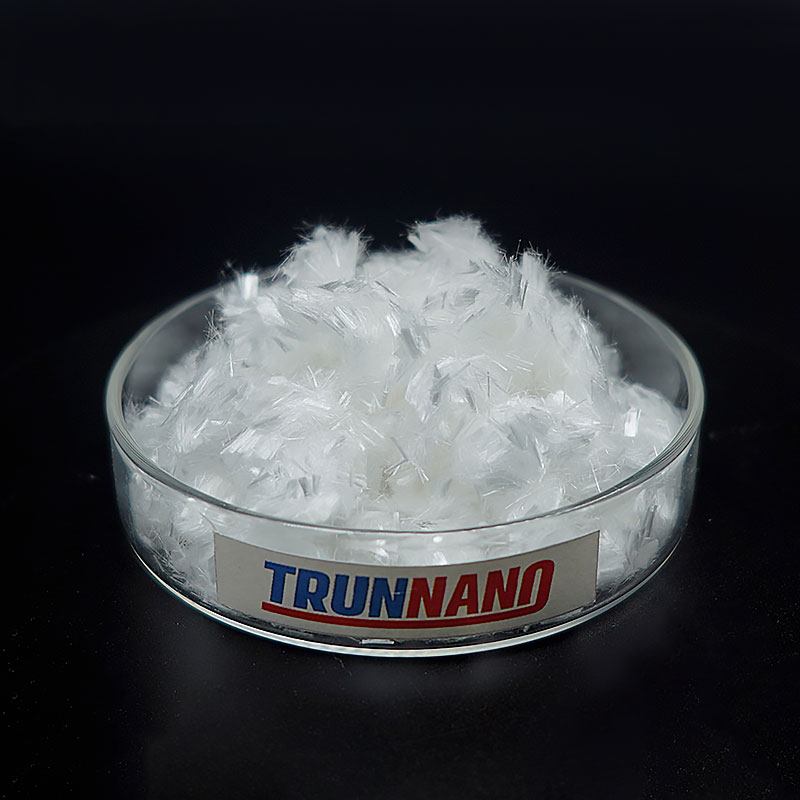

There are lots of sorts of concrete reinforcing fibers, which frequently confuse people and affect their perfect strengthening effect. Actually, these fibers can be separated right into 4 groups: synthetic fibers, metal fibers, mineral fibers and plant fibers. Each kind of fiber has its unique application area and enhancing effect.
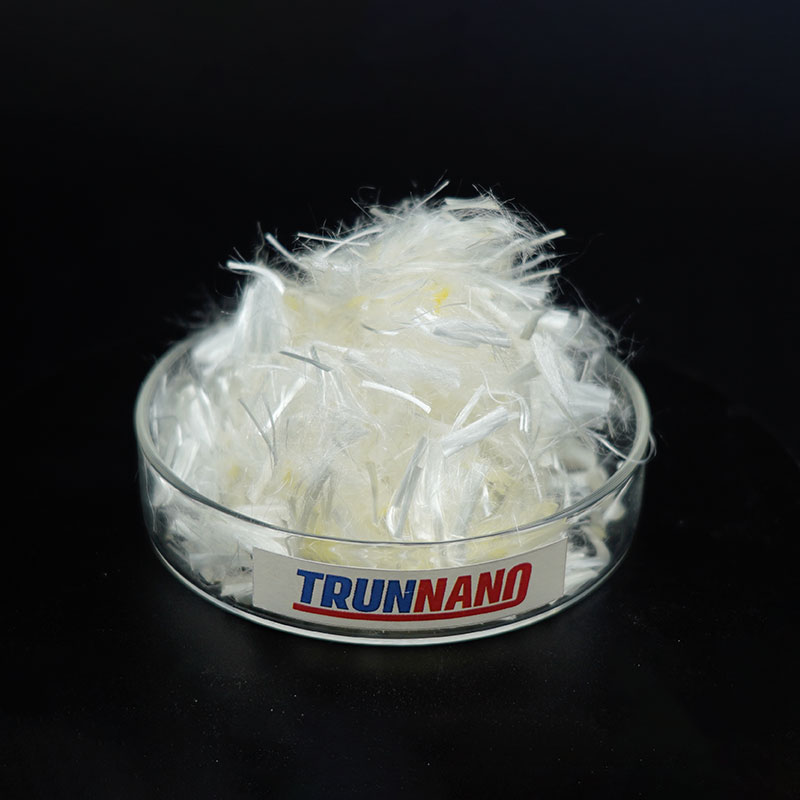
(concrete reinforcing fibers,concrete reinforcing fibers,concrete reinforcing fibers)
1. Synthetic Fiber
It is refined from countless plastics, which are mainly split right into 2 categories: crack-resistant fibers and strengthening fibers. Enhancing fibers include in a similar approach to steel fibers and are generated to boost the strength of concrete and mortar.When it is necessary to build a rugged and thick grid comparable to steel bars, toughening fibers with a high fiber material are chosen; so a fine grid is required, the fiber web content can be appropriately minimized, or common toughening fibers can be picked. Although the enhancing impact of artificial fibers is a little inferior to that of steel fibers, they have good dispersibility, secure building and construction without inflammation, and no rust troubles, so they have actually been widely utilized in design and exterior surface engineering. Among them, regular toughening fibers made of polypropylene are frequently utilized in mortar materials.
High-performance toughening fibers play a crucial function in ultra-high-performance concrete (UHPC) and high ductility concrete (ECC). These fibers mainly consist of Shike high-performance polypropylene microfiber, polyvinyl alcohol fiber and ultra-high molecular weight polyethylene fiber. Shike high-performance polypropylene microfiber is known for its one-of-a-kind microfiber style and very easy dispersion qualities. It has an optional length and a diameter of 0.15 mm. It not just has little effect on the fluidness of concrete but also can be 50-100% more affordable than other fibers with the exact same reinforcement impact. Nevertheless, as micron-level fibers, polyvinyl alcohol fiber and ultra-high molecular weight polyethylene fiber have better diffusion difficulties and are expensive, and most of them count on imports.
Anti-crack fibers, especially early-stage anti-crack fibers, are crucial to the performance of concrete after pouring. Such fibers can significantly boost the split resistance of concrete, subsequently improving its resilience. In ultra-high effectiveness concrete (UHPC) and high ductility concrete (ECC), anti-crack fibers provide strong safety and security for concrete by means of reliable diffusion and reinforcement.
The anti-cracking outcome within 1 day is essential. As soon as the sturdiness of the concrete is produced, the impact of this sort of fiber will gradually weaken.At existing, one of the most widely utilized fibers in China are polypropylene fibers and polyacrylonitrile fibers, and their dosage is normally 1-2 kilograms per cubic meter of concrete. These 2 fibers are economical due to the fact that they are made from faster ways of yarn utilized to make garments, such as polypropylene fiber, which is polypropylene yarn, and polyacrylonitrile fiber, which is acrylic yarn. The market cost is about 12,000 yuan per ton. Nonetheless, there are additionally lower-priced fibers on the marketplace, regarding 7,000 yuan per ton. These fibers are typically made from waste clothes silk, with a wetness material of as much as 30-50%, or blended with other polyester fibers or glass fibers, and the high quality varies.
Anti-crack fibers have a variety of applications. In outdoor jobs, specifically in severe atmospheres such as solid winds and high temperatures, concrete is susceptible to breaking as a result of shrinkage. Right now, adding anti-crack fibers will considerably boost its durability. Additionally, for the production of components that are maintained inside or at high temperatures, the efficiency of concrete after putting can also be enhanced by anti-crack fibers.
Expect the concrete can be well healed within 24 hr after putting. In that case, there is really no requirement to include extra anti-cracking fibers. Furthermore, polypropylene fibers also play a crucial duty in fire protection engineering. Considering that the fibers will certainly thaw throughout a fire, they provide an effective means to remove water vapor from the concrete.
2. Metal Fiber
Among metal fibers, steel fiber is the major element, and stainless steel fiber is in some cases made use of. This fiber can properly enhance the compressive and flexural stamina of concrete, and its enhancing result is better than other kinds of fibers. Nevertheless, steel fiber likewise has some substantial drawbacks, such as high rate, difficulty in diffusion, possible puncturing during building, feasible corrosion on the surface of the item, and the danger of corrosion by chloride ions. As a result, steel fiber is usually used for structural reinforcement, such as bridge expansion joints and steel fiber flooring, yet is not ideal for decorative components. In addition, steel fiber is separated right into several qualities. The cost of low-grade steel fiber is a lot more budget-friendly, but the enhancing impact is far much less than that of state-of-the-art steel fiber. When selecting, it is called for to make a budget friendly suit according to actual requirements and budget strategy. For the certain classification and grade of steel fiber, please describe the appropriate national requirements and industry demands for comprehensive details.
3. Mineral fiber
Basalt fibers and glass fibers represent mineral fibers. Basalt fibers are a perfect choice to steel fibers in high-temperature concrete environments where steel fibers can not be made use of due to their outstanding warm resistance. Glass fibers are a crucial component of conventional glass fiber concrete (GRC) because of their playability. However, it should be kept in mind that these 2 mineral fibers are susceptible to deterioration in silicate cement, particularly after the fiber fails; a large number of splits may create in the concrete. Consequently, in the application of GRC, not just alkali-resistant glass fibers require to be selected, yet likewise low-alkalinity cement should be utilized in combination. In addition, mineral fibers will substantially reduce the fluidness of concrete, so GRC is normally poured utilizing fiber spraying modern technology instead of the conventional fiber premixing approach.
4. Plant Fiber
Plant fiber is acknowledged for its green household or company structures, yet it is substandard to different other fiber key ins concerns to strength and support influence.Its originality lies in its excellent water retention, which makes it play a crucial duty in the manufacturing process of cement fiberboard and calcium silicate fiber board. There are many sorts of plant fibers, including pulp fiber, lignin fiber, bamboo fiber, and sugarcane bagasse, most of which are stemmed from waste utilization and are a vital element of eco-friendly concrete.
Please comprehend that the detailed description of steel fiber, mineral fiber and plant fiber might not be professional and extensive. If you have any kind of questions or require more info, please feel free to call us for improvements and supplements.
Vendor
TRUNNANO is a globally recognized manufacturer and supplier of
compounds with more than 12 years of expertise in the highest quality
nanomaterials and other chemicals. The company develops a variety of powder materials and chemicals. Provide OEM service. If you need high quality concrete reinforcing fibers, please feel free to contact us. You can click on the product to contact us. (sales8@nanotrun.com)
All articles and pictures are from the Internet. If there are any copyright issues, please contact us in time to delete.
Inquiry us