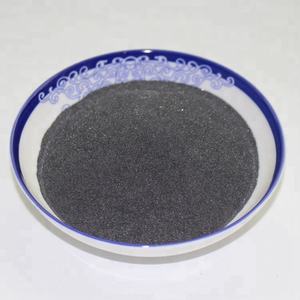
Friday, March 6, 2026
Home Blog Page 27

In-depth Analysis of Sodium Silicate: From Fundamental Research to Wide Applications neutral sodium silicate liquid

In-depth Analysis of Sodium Silicate: From Essential Research Study to Wide Applications

As modern technology advancements and commercial demands increase, brand-new materials have ended up being a centerpiece in modern materials scientific research across various fields. Sodium silicate, generally referred to as water glass, is a traditionally significant and extensively made use of not natural substance that plays a crucial duty in numerous markets. This post explores the essential characteristics, prep work techniques, present applications, and future fads of sodium silicate.
Salt silicate is a compound made up of silica (SiO ₂) and salt hydroxide (NaOH), with a chemical formula usually stood for as Na ₂ O · nSiO ₂, where n denotes the silica-to-alkali proportion, establishing the specific kind and residential properties of the salt silicate. It displays exceptional glue homes, thermal stability, and chemical resistance, keeping architectural integrity also at heats. Salt silicate can exist in both strong and fluid types; its solution is thick, with the ability of developing gels, and it solidifies upon soaking up co2 from the air. These characteristics make sodium silicate widely applicable in building and construction, casting, cleaning agents, papermaking, textiles, porcelains, and more, such as for waterproofing representatives, fire-retardant layers, and adhesives.


(Sodium Silicate Powder)

The prep work of salt silicate largely entails 2 techniques: dry process and damp procedure. The completely dry process makes use of quartz sand and soda ash as main basic materials, responding them in a high-temperature heating system to generate sodium silicate, appropriate for massive manufacturing however with greater power usage. The wet process synthesizes salt silicate by straight reacting silica and sodium hydroxide solutions, being simpler and lower in expense, appropriate for small-batch lab preparation. Recently, enhanced damp processes like ultrasonic-assisted synthesis have actually been established, improving response performance and product high quality. In addition, some unique preparation modern technologies are under research and development, such as microwave home heating and sol-gel techniques, which assure to further maximize the prep work procedure, lower prices, and boost product performance.

Leveraging its superior residential or commercial properties, salt silicate locates comprehensive applications in numerous fields. In building and construction products, salt silicate is utilized in concrete, concrete, bricks, enhancing material fluidity, toughness, and resilience while including waterproofing and fireproofing features. In spreading, it enhances mold and mildews and cores, preventing casting contortion. In detergents and cleansing products, sodium silicate is an essential ingredient in washing powders and dishwashing liquids, softening water and dispersing dust fragments to improve cleansing effectiveness. In papermaking, it serves as a retention help and toughness booster, enhancing paper toughness and surface level of smoothness. In textile dyeing, it is used in printing paste formulations to increase shade intensity and pattern clarity. In ceramic manufacturing, salt silicate changes polish formulas, reducing shooting temperatures and improving glaze gloss and flatness. Moreover, salt silicate plays a vital role in environmental protection, getting rid of hefty metal ions and various other toxins from wastewater and boosting soil framework for plant growth.


(Sodium Silicate Powder)

In spite of substantial accomplishments, larger-scale application of salt silicate deals with technical and design obstacles. With significantly rigid environmental regulations, reducing contamination discharges throughout manufacturing and use is a pushing problem. Researchers are checking out greener and extra efficient manufacturing processes, such as using renewable energy-driven synthesis approaches and developing biodegradable alternatives. Incorporating several capabilities into items will certainly be a future study emphasis, such as surface area adjustment or composite style to endow sodium silicate with additional attributes like anti-bacterial, fire-retardant, and wear-resistant properties to satisfy varied application needs. Comprehensive safety evaluations of sodium silicate’s prospective wellness risks are important for ensuring secure use. Currently, global standards guide the safe monitoring and assessment of sodium silicate.

Looking in advance, sodium silicate will attain considerable progress in intelligent applications, eco-friendly sustainable development, and interdisciplinary participation. Advanced technologies like IoT and big information analytics can deeply integrate sodium silicate right into wise buildings and homes, offering more convenient and comfortable living experiences. Creating eco-friendly preparation procedures decreases power intake and waste emissions, advertising low-carbon, circular development. Reinforcing interdisciplinary collaboration to deal with key technological traffic jams will promote innovative applications of salt silicate in emerging areas. For example, combining nanotechnology with biomedicine can establish targeted drug shipment systems, better boosting medical outcomes. In recap, facing altering market needs and technological obstacles, only constant development can equal this age packed with opportunities. Our company believe that in the future, we will certainly witness exceptional technological success in this area, contributing to developing a much better living environment for humankind.

TRUNNANO is a supplier of boron nitride with over 12 years of experience in nano-building energy conservation and nanotechnology development. It accepts payment via Credit Card, T/T, West Union and Paypal. Trunnano will ship the goods to customers overseas through FedEx, DHL, by air, or by sea. If you want to know more about Sodium Silicate, please feel free to contact us and send an inquiry(sales5@nanotrun.com).

All articles and pictures are from the Internet. If there are any copyright issues, please contact us in time to delete.

Inquiry us



    Revolutionizing Industrial Applications: The Multifaceted Potential of MoDTC (CAS No. 253873-83-5)

    Reinventing Industrial Applications: The Diverse Possible of MoDTC (CAS No. 253873-83-5)

    The landscape of commercial chemistry is consistently evolving, driven by the mission for substances that can boost effectiveness and efficiency in different applications. One such substance obtaining substantial grip is Molybdenum Dithiocarbamate (MoDTC), identified by its CAS number 253873-83-5. This flexible additive has carved out a particular niche for itself throughout several markets due to its special buildings and considerable benefits. From lubricants to rubber and plastics, MoDTC’s capacity to improve product resilience, reduce wear, and offer protection versus rust makes it an essential component in modern manufacturing procedures. As environmental laws tighten up and sustainability becomes a top priority, the need for eco-friendly additives like MoDTC gets on the increase. Its reduced poisoning and biodegradability make certain very little influence on the setting, aligning with worldwide efforts to promote greener technologies. Furthermore, the substance’s performance in prolonging product life process contributes to source preservation and waste decrease. With ongoing research study uncovering brand-new applications, MoDTC stands at the center of innovation, assuring to reinvent how sectors come close to material enhancement and process optimization.


    (MoDTC Cas No.:253873-83-5)

    Molybdenum Dithiocarbamate (MoDTC) operates as a multifunctional additive, supplying anti-wear, antioxidant, and extreme stress buildings that are essential in demanding commercial settings. In the lubricant field, MoDTC excels by forming safety films on steel surface areas, therefore decreasing friction and preventing damage. This not just prolongs the lifespan of machinery yet likewise decreases maintenance prices and downtime. For rubber and plastic makers, MoDTC functions as an activator and accelerator, improving processing attributes and enhancing the end product’s performance. It facilitates faster curing times while giving remarkable tensile strength and flexibility to the products. Past these direct advantages, MoDTC’s existence can result in reduced power intake throughout manufacturing, thanks to its lubricating impact on processing tools. Additionally, its function in stabilizing solutions versus thermal and oxidative degradation ensures regular quality over prolonged durations. In the vehicle industry, MoDTC finds application in engine oils, transmission fluids, and grease, where it substantially improves operational integrity and fuel performance. By making it possible for smoother procedures and minimizing internal rubbing, MoDTC helps vehicles achieve far better efficiency metrics while decreasing discharges. Overall, this compound’s broad applicability and tested performance setting it as a key player ahead of time industrial performance and sustainability.

    Looking in advance, the potential for MoDTC prolongs beyond current usages into arising areas such as renewable energy and advanced products. In wind generators, for example, MoDTC can protect critical elements from the rough problems they sustain, guaranteeing reputable operation even under severe weather condition situations. The substance’s ability to hold up against high pressures and temperatures without jeopardizing its integrity makes it ideal for usage in offshore installations and other tough atmospheres. Within the realm of sophisticated products, MoDTC may function as a foundation for developing next-generation compounds with enhanced mechanical properties. Research into nanotechnology applications recommends that integrating MoDTC can produce products with unmatched strength-to-weight proportions, opening up opportunities for lightweight yet robust frameworks in aerospace and building and construction markets. Furthermore, the substance’s compatibility with lasting methods positions it positively in the growth of eco-friendly chemistry services. Initiatives are underway to discover its use in bio-based polymers and layers, aiming to develop products that offer premium performance while adhering to rigorous environmental standards. As sectors remain to innovate, the function of MoDTC in driving progression can not be overstated. Its integration into diverse applications underscores a dedication to quality, performance, and environmental responsibility, establishing the phase for a future where industrial advancements exist together harmoniously with ecological preservation.

    TRUNNANO is a supplier of nano materials with over 12 years experience in nano-building energy conservation and nanotechnology development. It accepts payment via Credit Card, T/T, West Union and Paypal. Trunnano will ship the goods to customers overseas through FedEx, DHL, by air, or by sea. If you want to know more about MoDTC Cas No.:253873-83-5, please feel free to contact us and send an inquiry.(sales5@nanotrun.com)

    All articles and pictures are from the Internet. If there are any copyright issues, please contact us in time to delete.

    Inquiry us



      Aluminum Nitride: Revolutionizing Thermal Management with Superior Conductivity aluminium rust

      Introduction to Light Weight Aluminum Nitride (AlN)

      Light weight aluminum nitride (AlN), recognized for its extraordinary thermal conductivity, is emerging as a game-changer in the field of thermal administration. With a substance name light weight aluminum nitride and chemical formula AlN, this material shows exceptional buildings that make it crucial in high-performance applications. This write-up discovers the structure, properties, applications, and future prospects of light weight aluminum nitride, highlighting its transformative impact on numerous industries.


      (TRUNNANO Aluminum Nitride Powder)

      The Chemical Framework and Feature of Aluminum Nitride

      Aluminum nitride has the chemical formula AlN, consisting of one aluminum atom and one nitrogen atom. This structure gives numerous vital homes, including high thermal conductivity, exceptional electric insulation, and exceptional mechanical toughness. Aluminum nitride’s thermal conductivity can rise to 320 W/m · K, substantially higher than numerous conventional products utilized in thermal administration. Its ability to effectively dissipate heat makes it a suitable selection for applications needing fast and efficient thermal transfer. In addition, light weight aluminum nitride’s reduced coefficient of thermal development makes sure dimensional security under differing temperature levels, improving dependability in demanding environments.

      Applications Throughout Numerous Sectors

      1. Electronics and Semiconductors: In the electronic devices market, aluminum nitride’s high thermal conductivity plays an essential duty in handling heat dissipation from semiconductor devices. As power thickness boost in contemporary electronic devices, reliable thermal management becomes vital to preserve performance and durability. Light weight aluminum nitride substratums and product packaging products provide premium air conditioning services, minimizing thermal resistance and improving tool effectiveness. This application is especially important in high-power LEDs, where excessive warmth can break down performance and lifespan. By efficiently dissipating warmth, aluminum nitride makes it possible for brighter and more dependable LED lights systems.

      2. Power Electronics and Automotive: The vehicle market benefits significantly from light weight aluminum nitride’s thermal properties in power electronics applications. Electric lorries (EVs) and hybrid electrical vehicles (HEVs) count on advanced power components that produce significant amounts of warm during procedure. Light weight aluminum nitride substratums make certain effective heat removal, maintaining optimum operating temperatures and extending the life of power electronic devices elements. This is critical for making certain the integrity and efficiency of EV and HEV systems. Additionally, light weight aluminum nitride’s light-weight nature contributes to general vehicle effectiveness by reducing weight without jeopardizing thermal monitoring capacities.

      3. Telecom and Optoelectronics: In telecoms, light weight aluminum nitride’s thermal conductivity improves the performance of optoelectronic devices such as lasers and photodetectors. These devices require precise temperature level control to preserve secure output and avoid performance deterioration. Aluminum nitride substrates offer outstanding thermal monitoring, ensuring consistent performance even under high-power problems. In addition, its transparency in the ultraviolet (UV) to infrared (IR) array permits efficient combining of optical signals, making it suitable for incorporated photonics applications. The integration of aluminum nitride in telecommunications equipment improves signal stability and system dependability.

      4. Room and Aerospace: The aerospace and room markets demand products that can endure severe ecological problems while giving reliable thermal administration. Aluminum nitride’s high thermal conductivity and mechanical toughness make it an excellent candidate for satellite and spacecraft parts. Its capability to dissipate heat efficiently decreases the threat of overheating, which is critical for the longevity and performance of digital systems precede. In addition, aluminum nitride’s radiation resistance guarantees secure procedure in rough area atmospheres, improving goal success rates. Using light weight aluminum nitride in these fields highlights its significance beforehand room expedition and satellite innovation.

      Market Fads and Development Vehicle Drivers: A Positive Point of view

      1. Sustainability Efforts: The international promote sustainable techniques has actually influenced the growth of environmentally friendly products. Light weight aluminum nitride’s performance in thermal management aligns with efforts to reduce power usage and enhance system reliability. Producers are progressively including light weight aluminum nitride into eco-friendly innovations, driving market development. Innovations in recycling and resource-efficient production approaches better improve light weight aluminum nitride’s sustainability account. As environmental understanding grows, the fostering of aluminum nitride will certainly continue to enhance, placing it as a key player in sustainable solutions.

      2. Technical Innovations in Electronic Devices: Rapid developments in electronic devices require higher-performance materials capable of meeting strict needs. Light weight aluminum nitride’s role in thermal management guarantees its importance in next-generation technologies. Technologies in 5G networks, expert system, and quantum computing rely on aluminum nitride’s thermal conductivity to accomplish optimal performance. The assimilation of aluminum nitride in these sophisticated applications showcases its flexibility and future-proof nature. As electronics progress, light weight aluminum nitride remains at the leading edge of technological development.

      3. Healthcare Development: Increasing health care expenditure, driven by aging populaces and enhanced health awareness, boosts the need for advanced clinical remedies. Light weight aluminum nitride’s multifunctional properties make it an attractive component in clinical devices and diagnostic devices. Its ability to effectively handle warmth improves the efficiency and security of clinical tools, guaranteeing trusted person care. The fad in the direction of miniaturization and mobility prefers aluminum nitride’s portable and efficient thermal management capacities. As medical care remains to focus on innovation and patient-centric services, light weight aluminum nitride’s function beforehand medical technologies can not be overemphasized.

      Obstacles and Limitations: Browsing the Course Forward

      1. Production Costs: Despite its benefits, the manufacturing process for light weight aluminum nitride can be complicated and pricey. High-purity light weight aluminum nitride calls for precise synthesis techniques, bring about greater manufacturing costs compared to typical products. However, recurring r & d objective to enhance manufacturing processes, decreasing costs and boosting access. Technologies in bulk synthesis and thin-film deposition techniques promise to make light weight aluminum nitride extra economically viable for widespread adoption. Addressing manufacturing obstacles will be crucial for increasing the marketplace reach of light weight aluminum nitride.


      ( Aluminum Nitride Powder)

      2. Technical Proficiency: Successfully including light weight aluminum nitride into designs needs specialized expertise and handling strategies. Small-scale makers or those unfamiliar with its homes could face difficulties in maximizing light weight aluminum nitride usage without ample competence and devices. Bridging this gap with education and obtainable innovation will be crucial for wider fostering. Encouraging stakeholders with the necessary skills will unlock aluminum nitride’s full possible throughout markets.

      Future Leads: Developments and Opportunities

      The future of the light weight aluminum nitride market looks encouraging, driven by increasing need for high-performance and sustainable materials. Ongoing r & d will lead to the creation of new qualities and applications for aluminum nitride. Advancements in nanotechnology, eco-friendly materials, and environment-friendly chemistry will additionally enhance its value suggestion. As industries prioritize efficiency, longevity, and ecological obligation, light weight aluminum nitride is poised to play a crucial role in shaping the future of electronic devices, vehicle, telecoms, and beyond. The continuous development of aluminum nitride promises interesting opportunities for advancement and development.

      Final thought: Embracing the Potential of Aluminum Nitride

      In conclusion, light weight aluminum nitride (AlN) is a versatile and essential material with comprehensive applications in electronic devices, automotive, telecoms, and aerospace. Its extraordinary thermal conductivity offers substantial advantages, driving market development and development. Recognizing the benefits and challenges of light weight aluminum nitride allows stakeholders to make enlightened decisions and profit from arising possibilities. Accepting light weight aluminum nitride means embracing a future where technology fulfills dependability and sustainability in contemporary market.

      Top Quality Aluminum Nitride Supplier

      TRUNNANO is a supplier of boron nitride with over 12 years of experience in nano-building energy conservation and nanotechnology development. It accepts payment via Credit Card, T/T, West Union and Paypal. Trunnano will ship the goods to customers overseas through FedEx, DHL, by air, or by sea. If you want to know more about aluminium rust, please feel free to contact us and send an inquiry(sales5@nanotrun.com).

      All articles and pictures are from the Internet. If there are any copyright issues, please contact us in time to delete.

      Inquiry us
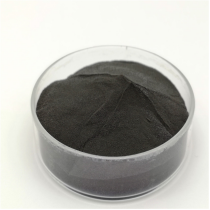


        Hexagonal Boron Nitride: The Next Frontier in Advanced Materials boron nitride powder in cosmetics

        Introducing Hexagonal Boron Nitride (h-BN)

        Hexagonal boron nitride (h-BN), usually described as “white graphene,” is a two-dimensional product with outstanding buildings that make it an appealing prospect for various advanced applications. This post checks out the structure, qualities, and possible uses of h-BN, highlighting its transformative influence on markets ranging from electronic devices to power storage space.


        (TRUNNANO Boron Nitride)

        The Framework and Quality of Hexagonal Boron Nitride

        Hexagonal boron nitride has a layered structure similar to graphite, including rotating boron and nitrogen atoms set up in hexagonal latticeworks. This setup imparts several amazing residential properties, consisting of high thermal conductivity, superb electric insulation, and premium chemical stability. Unlike graphene, which conducts power, h-BN is an insulator, making it optimal for usage in semiconductor devices. In addition, h-BN exhibits strong mechanical stamina and flexibility, enabling its application in flexible electronic devices and safety coatings. Its capability to endure severe temperatures and rough settings positions h-BN as a flexible product for requiring industrial applications.

        Applications Throughout Numerous Sectors

        Electronics and Semiconductors: In the electronic devices market, h-BN’s special residential properties make it essential for next-generation semiconductor devices. It acts as an effective dielectric layer in transistors, stopping electrical leakage and enhancing device performance. High-purity h-BN can also be used in two-dimensional digital circuits, where its excellent thermal management capabilities make certain effective heat dissipation. In addition, h-BN’s assimilation right into flexible electronics opens up new possibilities for wearable gadgets and smart textiles, using exceptional convenience and functionality.

        Energy Storage and Conversion: Hexagonal boron nitride plays a critical role in power storage and conversion modern technologies. As a part in lithium-ion batteries, h-BN improves electrode security and battery durability by developing safety layers that avoid deterioration. In fuel cells, h-BN boosts proton exchange membrane layers, making sure reliable power conversion. Its thermal conductivity and chemical inertness make h-BN ideal for high-temperature applications, such as solid-state electrolytes in strong oxide gas cells. The combination of h-BN in these systems assures substantial renovations in power efficiency and sustainability.

        Catalysis and Environmental Remediation: In catalysis, h-BN’s huge surface and tunable chemistry allow it to work as an effective driver assistance or active stimulant. It promotes responses in procedures like hydrogen production and carbon dioxide decrease, adding to cleaner energy services. Additionally, h-BN’s ecological compatibility makes it appropriate for water filtration and air filtering applications. Its capacity to adsorb pollutants and resist fouling guarantees lasting efficiency in environmental remediation initiatives. The versatility of h-BN in catalysis and environmental management underscores its possible to deal with international challenges.

        Mechanical and Thermal Monitoring: Hexagonal boron nitride’s outstanding mechanical properties and thermal conductivity make it important in thermal monitoring and mechanical applications. As a lubricating substance additive, h-BN minimizes rubbing and use in relocating components, extending devices life-span. In thermal interface materials, h-BN efficiently dissipates warmth, boosting the efficiency of digital devices and decreasing overheating threats. Additionally, h-BN’s versatility and strength make it suitable for reinforcing compounds, improving structural integrity in aerospace and vehicle elements. The wide applicability of h-BN in mechanical and thermal management showcases its importance in contemporary design.

        Market Trends and Development Chauffeurs: A Forward-Looking Point of view

        Sustainability Initiatives: The worldwide push for lasting techniques has actually pushed h-BN right into the spotlight. Derived from abundant natural deposits, h-BN aligns well with green production criteria. Manufacturers significantly integrate h-BN right into eco-friendly structure products and renewable resource modern technologies, driving market development. Innovations in recycling and resource-efficient manufacturing methods further enhance h-BN’s sustainability account. As environmental recognition grows, the adoption of h-BN will remain to boost, positioning it as a principal in sustainable services.

        Technological Developments in Electronic Devices: Rapid advancements in electronics demand higher-performance materials with the ability of conference rigorous demands. Hexagonal boron nitride’s function in semiconductor manufacture guarantees its importance in next-generation innovations. Advancements in 5G networks, expert system, and quantum computer count on h-BN’s shielding and thermal administration homes to attain optimal efficiency. The combination of h-BN in these innovative applications showcases its adaptability and future-proof nature. As electronics advance, h-BN remains at the center of technical advancement.

        Health Care Innovation: Climbing healthcare expenditure, driven by maturing populaces and raised health and wellness understanding, increases the demand for innovative clinical services. Hexagonal boron nitride’s multifunctional residential properties make it an eye-catching part in medication distribution systems, medical gadgets, and diagnostics. The fad in the direction of customized medication and minimally intrusive treatments prefers h-BN’s biocompatibility and accuracy. As healthcare remains to focus on innovation and patient-centric remedies, h-BN’s role beforehand clinical innovations can not be overstated.

        Difficulties and Limitations: Browsing the Course Forward

        Ecological Issues: Despite its advantages, the mining and handling of hexagonal boron nitride can have ecological influences. Dirt emissions and water use during removal raise concerns about air quality and resource deficiency. Governing bodies are carrying out more stringent guidelines to alleviate these impacts, motivating manufacturers to embrace lasting practices. Attending to environmental obstacles will be important for the proceeded usage and market acceptance of h-BN. Advancements in eco-friendly chemistry and process optimization can assist stabilize efficiency with ecological obligation.


        ( TRUNNANO Boron Nitride )

        Technical Expertise: Efficiently integrating h-BN into formulas calls for specialized expertise and handling strategies. Small suppliers or those unfamiliar with its buildings could deal with difficulties in maximizing h-BN use without sufficient expertise and equipment. Linking this space through education and obtainable technology will certainly be vital for broader adoption. Empowering stakeholders with the necessary abilities will open h-BN’s full possible throughout markets.

        Future Prospects: Technologies and Opportunities

        The future of the hexagonal boron nitride market looks promising, driven by raising need for sustainable and high-performance materials. Continuous r & d will certainly lead to the production of brand-new qualities and applications for h-BN. Developments in nanotechnology, biodegradable products, and eco-friendly chemistry will even more enhance its value proposition. As sectors focus on effectiveness, resilience, and ecological duty, h-BN is positioned to play an essential duty in shaping the future of electronic devices, energy storage space, catalysis, and past. The constant development of h-BN guarantees exciting possibilities for technology and development.

        Conclusion: Accepting the Prospective of Hexagonal Boron Nitride

        To conclude, hexagonal boron nitride (h-BN) is a flexible and necessary product with varied applications in electronics, energy storage, catalysis, and mechanical engineering. Its unique residential properties and bountiful schedule offer substantial advantages, driving market growth and technology. Understanding the advantages and obstacles of h-BN makes it possible for stakeholders to make informed choices and profit from arising opportunities. Welcoming h-BN means accepting a future where innovation satisfies dependability and sustainability in modern-day market.

        High-grade Boron Nitride Supplier

        TRUNNANO is a supplier of boron nitride with over 12 years of experience in nano-building energy conservation and nanotechnology development. It accepts payment via Credit Card, T/T, West Union and Paypal. Trunnano will ship the goods to customers overseas through FedEx, DHL, by air, or by sea. If you want to know more about boron nitride powder in cosmetics, please feel free to contact us and send an inquiry(sales5@nanotrun.com).

        All articles and pictures are from the Internet. If there are any copyright issues, please contact us in time to delete.

        Inquiry us
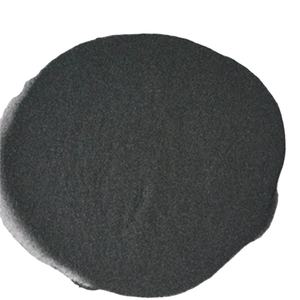


          Revolutionizing Manufacturing: The Power of Metal Powder in 3D Printing industrial 3d printing

          Intro to Metal Powder for 3D Printing

          Steel powder for 3D printing is transforming the production landscape, supplying unmatched precision and personalization. This advanced material allows the manufacturing of complicated geometries and intricate designs that were previously unattainable with conventional methods. By leveraging steel powders, markets can innovate much faster, lower waste, and accomplish higher efficiency criteria. This short article explores the make-up, applications, market trends, and future prospects of metal powder in 3D printing, highlighting its transformative impact on various industries.


          (3D Printing Product)

          The Structure and Quality of Metal Powders

          Steel powders made use of in 3D printing are normally made up of alloys such as stainless-steel, titanium, aluminum, and nickel-based superalloys. These products have distinct residential properties that make them optimal for additive production. High purity and consistent fragment size circulation guarantee uniform melting and solidification throughout the printing process. Key attributes include excellent mechanical stamina, thermal stability, and corrosion resistance. In addition, metal powders provide premium surface finish and dimensional accuracy, making them crucial for high-performance applications.

          Applications Across Diverse Industries

          1. Aerospace and Protection: In aerospace and defense, metal powder 3D printing reinvents the manufacturing of light-weight, high-strength parts. Titanium and nickel-based alloys are generally utilized to develop get rid of complicated internal structures, decreasing weight without jeopardizing strength. This modern technology enables fast prototyping and personalized production, accelerating development cycles and reducing lead times. Furthermore, 3D printing enables the production of get rid of incorporated cooling networks, improving thermal administration and efficiency.

          2. Automotive Industry: The vehicle market benefits from metal powder 3D printing by creating lighter, more reliable parts. Light weight aluminum and stainless steel powders are made use of to make engine components, exhaust systems, and structural elements. Additive manufacturing facilitates the style of maximized geometries that improve fuel effectiveness and decrease discharges. Personalized manufacturing likewise allows for the development of limited-edition or specific automobiles, conference varied market demands. Furthermore, 3D printing reduces tooling expenses and allows just-in-time manufacturing, improving supply chains.

          3. Medical and Dental: In clinical and oral applications, steel powder 3D printing supplies customized options for implants and prosthetics. Titanium powders offer biocompatibility and osseointegration, guaranteeing risk-free and efficient integration with human cells. Personalized implants tailored to individual clients’ compositions boost medical outcomes and individual fulfillment. In addition, 3D printing increases the growth of brand-new medical devices, promoting faster regulative authorization and market entrance. The ability to generate complex geometries additionally sustains the production of innovative dental reconstructions and orthopedic devices.

          4. Tooling and Mold and mildews: Steel powder 3D printing changes tooling and mold-making by making it possible for the manufacturing of complex mold and mildews with conformal cooling networks. This innovation improves cooling down effectiveness, reducing cycle times and improving component top quality. Stainless-steel and device steel powders are generally made use of to produce durable mold and mildews for shot molding, pass away spreading, and marking processes. Customized tooling likewise enables quick model and prototyping, increasing product development and decreasing time-to-market. Moreover, 3D printing removes the demand for costly tooling inserts, lowering production prices.

          Market Fads and Growth Drivers: A Positive Point of view

          1. Sustainability Campaigns: The worldwide push for sustainability has influenced the fostering of metal powder 3D printing. This modern technology minimizes product waste by using just the necessary quantity of powder, lowering environmental influence. Recyclability of unsintered powder further enhances its environmentally friendly qualifications. As sectors focus on sustainable methods, metal powder 3D printing straightens with ecological goals, driving market growth. Advancements in green manufacturing processes will remain to expand the application potential of metal powders.

          2. Technological Innovations in Additive Production: Rapid innovations in additive manufacturing modern technology have increased the capabilities of metal powder 3D printing. Improved laser and electron light beam melting methods make it possible for faster and a lot more specific printing, raising performance and component high quality. Advanced software devices help with seamless design-to-print operations, maximizing component geometry and develop orientation. The assimilation of expert system (AI) and artificial intelligence (ML) additional boosts process control and issue discovery, making certain trusted and repeatable results. These technological innovations placement metal powder 3D printing at the center of manufacturing development.

          3. Growing Need for Customization and Customization: Raising consumer need for personalized products is driving the adoption of steel powder 3D printing. From individualized clinical implants to bespoke automotive parts, this innovation enables mass modification without the connected cost fines. Personalized manufacturing also sustains particular niche markets and specialized applications, providing distinct worth recommendations. As client expectations evolve, metal powder 3D printing will certainly remain to fulfill the expanding demand for tailored services across sectors.

          Difficulties and Limitations: Navigating the Course Forward

          1. Price Considerations: Despite its many benefits, steel powder 3D printing can be much more expensive than typical production methods. High-quality metal powders and innovative devices add to the total cost, restricting more comprehensive adoption. Suppliers should balance performance benefits against economic restrictions when picking materials and modern technologies. Dealing with price barriers through economic situations of scale and procedure optimization will be essential for bigger acceptance and market penetration.

          2. Technical Competence: Successfully applying metal powder 3D printing calls for specialized knowledge and handling strategies. Small-scale suppliers or those unfamiliar with the technology might deal with difficulties in optimizing manufacturing without ample competence and devices. Connecting this space via education and learning and easily accessible innovation will certainly be important for broader fostering. Encouraging stakeholders with the required abilities will unlock the full possibility of metal powder 3D printing across markets.


          ( 3D Printing Powder)

          Future Prospects: Innovations and Opportunities

          The future of metal powder 3D printing looks appealing, driven by the raising need for lasting, high-performance, and tailored options. Recurring research and development will bring about the development of brand-new alloys and applications for steel powders. Developments in binder jetting, directed power deposition, and cold spray modern technologies will further increase the capacities of additive manufacturing. As industries prioritize performance, longevity, and ecological obligation, steel powder 3D printing is poised to play a pivotal role fit the future of manufacturing. The continuous evolution of this innovation promises amazing possibilities for development and development.

          Verdict: Embracing the Prospective of Metal Powder for 3D Printing

          To conclude, steel powder for 3D printing is transforming production by enabling exact, personalized, and high-performance manufacturing. Its unique buildings and wide-ranging applications use substantial benefits, driving market development and development. Understanding the benefits and challenges of steel powder 3D printing allows stakeholders to make informed decisions and profit from arising opportunities. Embracing this modern technology indicates embracing a future where technology fulfills reliability and sustainability in manufacturing.

          High-quality Steel Powder for 3D Printing Supplier

          TRUNNANO is a supplier of nano materials with over 12 years experience in nano-building energy conservation and nanotechnology development. It accepts payment via Credit Card, T/T, West Union and Paypal. Trunnano will ship the goods to customers overseas through FedEx, DHL, by air, or by sea. If you want to know more about Nano Silicon Dioxide, please feel free to contact us and send an inquiry.(sales5@nanotrun.com)

          All articles and pictures are from the Internet. If there are any copyright issues, please contact us in time to delete.

          Inquiry us
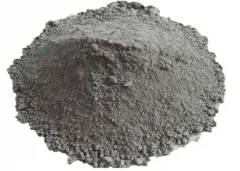


            Revolutionizing Manufacturing: The Power of Metal Powder in 3D Printing 3d printer filament near me

            Introduction to Steel Powder for 3D Printing

            Steel powder for 3D printing is transforming the production landscape, using unprecedented precision and modification. This sophisticated product allows the manufacturing of complex geometries and elaborate designs that were previously unreachable with standard methods. By leveraging steel powders, industries can innovate quicker, reduce waste, and accomplish greater efficiency standards. This write-up checks out the structure, applications, market fads, and future leads of metal powder in 3D printing, highlighting its transformative effect on different fields.


            (3D Printing Product)

            The Structure and Quality of Metal Powders

            Steel powders used in 3D printing are usually composed of alloys such as stainless steel, titanium, light weight aluminum, and nickel-based superalloys. These materials possess distinct residential or commercial properties that make them ideal for additive manufacturing. High pureness and constant bit size distribution guarantee uniform melting and solidification throughout the printing procedure. Key features consist of excellent mechanical toughness, thermal stability, and corrosion resistance. Additionally, metal powders supply exceptional surface coating and dimensional accuracy, making them indispensable for high-performance applications.

            Applications Across Diverse Industries

            1. Aerospace and Protection: In aerospace and defense, steel powder 3D printing changes the production of light-weight, high-strength parts. Titanium and nickel-based alloys are typically made use of to create parts with intricate interior frameworks, decreasing weight without jeopardizing stamina. This innovation enables quick prototyping and tailored production, increasing development cycles and decreasing preparations. Moreover, 3D printing enables the development of get rid of incorporated air conditioning channels, improving thermal monitoring and efficiency.

            2. Automotive Industry: The vehicle industry take advantage of metal powder 3D printing by producing lighter, extra effective components. Aluminum and stainless steel powders are utilized to make engine parts, exhaust systems, and structural parts. Additive production assists in the style of maximized geometries that boost fuel efficiency and reduce exhausts. Customized production likewise permits the development of limited-edition or specific vehicles, conference varied market needs. Additionally, 3D printing lowers tooling costs and enables just-in-time production, improving supply chains.

            3. Medical and Dental: In medical and oral applications, steel powder 3D printing provides individualized options for implants and prosthetics. Titanium powders supply biocompatibility and osseointegration, making certain safe and effective assimilation with human cells. Custom-made implants customized to individual clients’ makeups improve surgical end results and patient fulfillment. Additionally, 3D printing increases the development of brand-new clinical tools, facilitating quicker governing approval and market entry. The capability to create intricate geometries likewise supports the production of cutting-edge oral restorations and orthopedic gadgets.

            4. Tooling and Mold and mildews: Metal powder 3D printing transforms tooling and mold-making by making it possible for the production of intricate molds with conformal air conditioning channels. This innovation improves cooling performance, minimizing cycle times and boosting component quality. Stainless-steel and tool steel powders are typically made use of to produce durable mold and mildews for shot molding, die spreading, and marking processes. Customized tooling additionally enables fast iteration and prototyping, increasing item advancement and minimizing time-to-market. In addition, 3D printing removes the demand for expensive tooling inserts, decreasing manufacturing expenses.

            Market Patterns and Development Motorists: A Progressive Perspective

            1. Sustainability Campaigns: The worldwide push for sustainability has actually affected the adoption of steel powder 3D printing. This modern technology decreases product waste by using only the needed amount of powder, lowering environmental impact. Recyclability of unsintered powder better boosts its environment-friendly credentials. As sectors focus on sustainable techniques, steel powder 3D printing lines up with ecological objectives, driving market growth. Advancements in green manufacturing processes will remain to expand the application capacity of steel powders.

            2. Technological Developments in Additive Manufacturing: Fast innovations in additive manufacturing modern technology have actually increased the abilities of steel powder 3D printing. Enhanced laser and electron light beam melting methods make it possible for faster and more precise printing, boosting productivity and part quality. Advanced software devices assist in smooth design-to-print operations, maximizing component geometry and build positioning. The integration of expert system (AI) and artificial intelligence (ML) further improves process control and problem discovery, guaranteeing trusted and repeatable results. These technical innovations position steel powder 3D printing at the forefront of manufacturing advancement.

            3. Expanding Need for Customization and Customization: Increasing consumer demand for customized items is driving the adoption of steel powder 3D printing. From individualized medical implants to bespoke vehicle components, this innovation makes it possible for mass modification without the linked price fines. Customized production additionally sustains specific niche markets and specialized applications, supplying one-of-a-kind worth recommendations. As consumer expectations advance, metal powder 3D printing will continue to fulfill the growing demand for tailored options throughout markets.

            Difficulties and Limitations: Browsing the Course Forward

            1. Cost Considerations: Regardless of its various benefits, steel powder 3D printing can be more pricey than standard manufacturing approaches. Premium metal powders and advanced devices contribute to the total price, limiting wider fostering. Producers should balance performance benefits versus economic restraints when selecting materials and technologies. Resolving cost barriers with economic situations of range and process optimization will certainly be essential for larger approval and market penetration.

            2. Technical Competence: Efficiently implementing steel powder 3D printing calls for specialized expertise and handling methods. Small-scale producers or those unfamiliar with the technology might face obstacles in enhancing production without sufficient competence and devices. Linking this void through education and learning and accessible technology will be important for wider fostering. Equipping stakeholders with the essential abilities will open the full possibility of steel powder 3D printing throughout industries.


            ( 3D Printing Powder)

            Future Prospects: Developments and Opportunities

            The future of metal powder 3D printing looks promising, driven by the increasing need for sustainable, high-performance, and tailored remedies. Continuous research and development will certainly lead to the development of brand-new alloys and applications for metal powders. Technologies in binder jetting, directed power deposition, and chilly spray modern technologies will additionally increase the capabilities of additive manufacturing. As sectors focus on effectiveness, durability, and environmental duty, steel powder 3D printing is poised to play an essential role fit the future of production. The constant advancement of this technology guarantees exciting opportunities for technology and development.

            Final thought: Embracing the Potential of Metal Powder for 3D Printing

            To conclude, steel powder for 3D printing is transforming production by making it possible for exact, customizable, and high-performance production. Its unique homes and considerable applications supply substantial advantages, driving market growth and innovation. Comprehending the benefits and challenges of metal powder 3D printing makes it possible for stakeholders to make informed choices and maximize emerging possibilities. Welcoming this innovation means welcoming a future where innovation meets reliability and sustainability in manufacturing.

            High-quality Metal Powder for 3D Printing Provider

            TRUNNANO is a supplier of nano materials with over 12 years experience in nano-building energy conservation and nanotechnology development. It accepts payment via Credit Card, T/T, West Union and Paypal. Trunnano will ship the goods to customers overseas through FedEx, DHL, by air, or by sea. If you want to know more about Nano Silicon Dioxide, please feel free to contact us and send an inquiry.(sales5@nanotrun.com)

            All articles and pictures are from the Internet. If there are any copyright issues, please contact us in time to delete.

            Inquiry us



              Revolutionizing Construction Efficiency: The Essential Role of Concrete Release Agents

              Changing Construction Efficiency: The Necessary Role of Concrete Launch Brokers

              Concrete launch representatives have emerged as indispensable tools in the building industry, substantially affecting the efficiency and quality of concrete structures. As modern-day design presses the borders of style complexity, the demand for products that can facilitate elaborate moldings and comprehensive surfaces has actually never ever been higher. These specialized coatings offer an important function by stopping freshly put concrete from adhering to forms, molds, and machinery, guaranteeing smooth demolding procedures without harming the surface integrity of the hard concrete. Past their primary role, launch agents contribute to expanding the life expectancy of formwork and devices, minimizing maintenance costs, and streamlining task timelines. They play a pivotal component in achieving top notch coatings that are both visually pleasing and long lasting, which is particularly vital for architectural aspects like ornamental exteriors, precast components, and customized forms. With a boosting emphasis on sustainability, today’s release representatives are being created with environmentally friendly components that minimize ecological impact while delivering premium performance. This write-up checks out the profound influence of concrete release representatives on building and construction techniques, highlighting just how they make it possible for home builders to meet the demands of contemporary tasks with better ease and accuracy.


              (Concrete Release Agent)

              The effectiveness of concrete release agents depends on their ability to create an obstacle between wet concrete and surfaces it enters contact with throughout the curing process. By creating this protective layer, release representatives protect against bonding, permitting uncomplicated removal of forms once the concrete has established. This not just preserves the look of the completed product yet additionally ensures that molds can be recycled several times, improving productivity on construction sites. Moreover, the appropriate choice of launch agent can result in significant savings in labor and product costs. High-performance items minimize the likelihood of flaws such as sticking, staining, or uneven textures, consequently decreasing the requirement for repair services and revamp. Along with enhancing workability, some innovative formulations provide additional benefits, such as water repellency, rust protection, and improved durability against weathering impacts. As construction strategies develop, so too do the requirements for launch representatives. Manufacturers are constantly innovating to create services tailored to details applications, whether it’s for large framework tasks, property developments, or artistic installments. Environmental considerations are likewise driving adjustments in product advancement, with a focus on low-VOC (unstable natural compounds) discharges and eco-friendly formulas that align with environment-friendly structure criteria. The ongoing improvements in concrete launch modern technology show a commitment to addressing the difficulties encountered by the industry, from optimizing resource utilization to promoting sustainable building methods. The outcome is a growing market for versatile, high-performing launch representatives that cater to varied requirements across the building and construction range.

              Looking in advance, the future of concrete release agents holds amazing opportunities as research study remains to discover brand-new methods to improve performance and environmental compatibility. The assimilation of nanotechnology, for example, can lead to ultra-thin, long lasting layers that provide unrivaled launch residential properties while making use of minimal quantities of item. Likewise, the growth of clever release representatives that respond to environmental stimulations uses the possibility for automatic systems with the ability of readjusting their performance based on transforming problems. One more area of rate of interest is the personalization of release agents to match local environments and project-specific demands, making sure optimal results no matter place or application. Moreover, as recognition expands about the value of worker safety and security and health and wellness, there is a pattern towards developing straightforward items that are safe and very easy to use, adding to a more secure working atmosphere. The wider ramifications of improved release representatives expand past individual projects, affecting the total performance of the construction sector. By facilitating quicker turnover of formwork and lowering downtime, these representatives help accelerate task routines, causing quicker completions and possibly lower costs. Additionally, using environmentally liable items sustains business social responsibility campaigns, enhancing the online reputation of companies within the market. To conclude, concrete release representatives are greater than simply aids in the construction process; they are catalysts for innovation and progress, enabling the development of excellent structures while cultivating a society of sustainability and efficiency.

              TRUNNANO is a supplier of nano materials with over 12 years experience in nano-building energy conservation and nanotechnology development. It accepts payment via Credit Card, T/T, West Union and Paypal. Trunnano will ship the goods to customers overseas through FedEx, DHL, by air, or by sea. If you want to know more about Concrete Release Agent, please feel free to contact us and send an inquiry.(sales5@nanotrun.com)

              All articles and pictures are from the Internet. If there are any copyright issues, please contact us in time to delete.

              Inquiry us



                Exploring Nano Nickel Oxide: From Fundamental Research to Diverse Applications silkroad nickel share price

                Exploring Nano Nickel Oxide: From Fundamental Research to Diverse Applications

                As innovation advances and markets require more advanced products, nanomaterials have actually emerged as an essential area in modern products science. Among these, nano nickel oxide (NiO) is distinguished by its distinct physical and chemical qualities, using considerable prospective across numerous applications. Specified by bit dimensions ranging from 1 to 100 nanometers, nano nickel oxide surpasses traditional micron-sized equivalents with higher area, boosted surface energy, and exceptional optical, electric, and catalytic residential properties. These improvements make it indispensable in markets like catalysis, power storage space, electronic devices, and ecological monitoring. One of the standout attributes of nano nickel oxide is its phenomenal security under extreme problems, both chemically and thermally. This makes it an optimal material for electrochemical applications such as fuel cells and supercapacitors. Its high conductivity and ion conduction capacities are specifically helpful for battery innovations, boosting the efficiency of lithium-ion batteries by improving their power density and cycle life.


                (Nano Nickel Oxide)

                The synthesis techniques for nano nickel oxide differ extensively, consisting of sol-gel strategies, precipitation, vapor deposition, and hydrothermal synthesis. Each technique offers distinctive advantages. For instance, the sol-gel process helps with accurate control over the morphology and size distribution of fragments, while precipitation is affordable for massive manufacturing. Vapor deposition techniques generate high-purity films or powders, and hydrothermal synthesis allows for the creation of extremely crystalline nanoparticles with particular forms. Innovations like microemulsion and supercritical liquid modern technologies further expand customization options. In China, fast economic growth and technical progression have fueled the marketplace for nano nickel oxide, which has actually seen substantial growth and is predicted to proceed growing because of strong domestic need and plan assistance.

                Nano nickel oxide’s performance opens up a wide spectrum of applications. In energy storage, it dramatically enhances the efficiency and longevity of lithium-ion and sodium-ion batteries. As a driver, it masters responses like carbon dioxide decrease, where it enhances conversion prices and selectivity. In electronics, it contributes to transparent conductive movies and magnetic storage gadgets. Eco, it assists in wastewater therapy and air filtration through its adsorption and catalytic abilities. In addition, its multifunctional nature supports innovations in cosmetics and individual treatment items.


                (Nano Nickel Oxide)

                Looking forward, nano nickel oxide will see developments in intelligent applications, lasting techniques, and interdisciplinary research. Technologies like IoT and big data analytics can incorporate nano nickel oxide right into clever environments, advertising ease and comfort. Establishing green preparation procedures can minimize environmental effect, straightening with low-carbon objectives. Collective efforts across disciplines will certainly open brand-new opportunities for nano nickel oxide, such as targeted drug distribution systems. International requirements guarantee the secure handling and examination of nanomaterials, dealing with security problems.

                Finally, continual innovation is vital to meeting advancing market needs and technical obstacles. The future holds guarantee for groundbreaking success in this area, contributing to a far better lifestyle. With increasing emphasis on sustainability, nano nickel oxide study will increase, providing remedies for ecological concerns and societal requirements, playing a pivotal duty in tidy power technologies.

                TRUNNANO is a supplier of nano materials with over 12 years experience in nano-building energy conservation and nanotechnology development. It accepts payment via Credit Card, T/T, West Union and Paypal. Trunnano will ship the goods to customers overseas through FedEx, DHL, by air, or by sea. If you want to know more about Nano Nickel Oxide, please feel free to contact us and send an inquiry.(sales5@nanotrun.com)

                All articles and pictures are from the Internet. If there are any copyright issues, please contact us in time to delete.

                Inquiry us
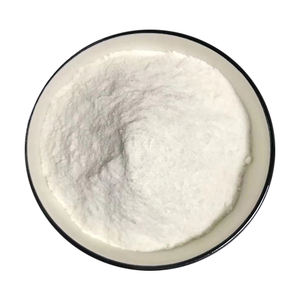


                  HPMC Hydroxypropyl Methylcellulose: Revolutionizing Industries with Enhanced Performance and Sustainability

                  HPMC Hydroxypropyl Methylcellulose: Revolutionizing Industries with Boosted Efficiency and Sustainability

                  Hydroxypropyl Methylcellulose (HPMC) has actually become a vital element in numerous markets, from construction to drugs, as a result of its exceptional homes. This flexible polymer is commonly acknowledged for its capacity to enhance the efficiency of items while advertising sustainability. As an environmentally friendly additive, HPMC deals distinct benefits that deal with the growing demand for eco-conscious materials. In the building and construction industry, it plays a vital role in enhancing mortar and plaster formulas, supplying remarkable workability, adhesion, and water retention. Its impact on the consistency and toughness of building products can not be overemphasized. In the pharmaceutical market, HPMC serves as an essential excipient, promoting managed medicine launch and enhancing the top quality of tablet computers and capsules. The food sector likewise benefits from this compound, which works as a thickener and stabilizer in countless applications. Past these fields, HPMC locates energy in cosmetics, paints, and also 3D printing. With boosting recognition of ecological concerns, producers are significantly transforming to HPMC as a solution that lines up with green chemistry concepts. Research study into new applications and formulations remains to reveal the possibility of this polymer, placing it at the leading edge of innovation across numerous fields. The versatility of HPMC permits it to fulfill varied needs while preserving high requirements of safety and security and effectiveness. As industries develop and encounter new difficulties, the significance of finding sustainable alternatives ends up being ever before a lot more noticeable. HPMC stands out not only for its functional advantages however likewise for its contribution to reducing the carbon footprint connected with standard manufacturing processes. By integrating HPMC into their operations, business can accomplish both economic and eco-friendly benefits, promoting a future where growth and conservation go together.


                  (Hpmc Hydroxypropyl Methylcellulose HPMC)

                  The convenience of HPMC appears in its prevalent application across different markets, each benefiting from its distinct attributes. In building, HPMC’s duty in modifying the rheological properties of cementitious mixes is crucial. It makes sure ideal mixing and pumping habits, minimizes partition, and prevents bleeding, causing higher-quality finishes and better ease of use. For mortars and plasters, HPMC enhances open time, permitting employees much more adaptability throughout application. The improved water retention offered by HPMC suggests better hydration of binders, leading to more powerful and a lot more durable frameworks. In the pharmaceutical domain, HPMC’s function as a film-forming agent and binder is unmatched. It enables the development of enteric coverings that safeguard medications from tummy acids, guaranteeing they are launched in the designated component of the digestive system. In addition, HPMC adds to the security and shelf life of drugs, thus supporting individual conformity and treatment efficiency. Within the food industry, HPMC serves as a stabilizer and emulsifier, ensuring constant structure and avoiding stage separation in products such as salad dressings and sauces. The non-toxic nature of HPMC makes it ideal for direct contact with food things, including an additional layer of safety and security to consumer goods. Past these primary applications, HPMC’s impact encompasses aesthetic solutions, where it enhances the sensory high qualities of creams and creams, and to industrial finishings, where it offers exceptional leveling and anti-sagging properties. The recurring expedition of HPMC’s capabilities guarantees even more developments in item advancement and procedure optimization, underscoring its worth as a crucial ingredient in contemporary production.

                  As industries remain to introduce and seek sustainable methods, the role of HPMC in driving progress can not be neglected. The material’s biodegradability and compatibility with renewable resources make it a recommended option for designers wanting to lower ecological influence. Producers are leveraging HPMC’s credit to create greener items that meet rigorous regulatory demands without jeopardizing performance. In the pursuit of cleaner innovations, research initiatives focus on maximizing HPMC manufacturing techniques to minimize waste and energy consumption. New solutions intend to enhance performance while exploring different basic materials that have lower environmental impacts. The shift towards bio-based HPMC by-products stands for a considerable progression in attaining sustainability goals. In addition, HPMC’s capacity to replace petrochemical-based additives in different applications highlights its potential as a bridge in between conventional and arising markets. Cooperation between academic community and industry is promoting a deeper understanding of HPMC’s molecular structure and behavior, opening doors to unique usages and enhanced solutions. As global fads emphasize round economic situation principles, the fostering of HPMC sustains the recycling and reuse of products, adding to a more resistant supply chain. The dedication to progressing HPMC innovation shows a more comprehensive movement toward accountable innovation, where economic development and environmental stewardship converge. In summary, HPMC’s combination right into varied markets exemplifies exactly how strategic investments in material scientific research can cause transformative results, establishing the phase for a lasting future.

                  TRUNNANO is a supplier of nano materials with over 12 years experience in nano-building energy conservation and nanotechnology development. It accepts payment via Credit Card, T/T, West Union and Paypal. Trunnano will ship the goods to customers overseas through FedEx, DHL, by air, or by sea. If you want to know more about Hpmc Hydroxypropyl Methylcellulose HPMC, please feel free to contact us and send an inquiry.(sales5@nanotrun.com)

                  All articles and pictures are from the Internet. If there are any copyright issues, please contact us in time to delete.

                  Inquiry us


                    Silicon Dioxide: The Backbone of Modern Innovation and Sustainability silicon dioxide with water

                    Intro to Silicon Dioxide (SiO ₂)

                    Silicon dioxide, frequently known as silica and with the compound name SiO ₂, is just one of one of the most bountiful substances in the world. Found in numerous kinds such as quartz, sand, and glass, silicon dioxide plays a vital role in numerous markets, from building and construction to electronics. This article looks into the composition, homes, applications, and future prospects of silicon dioxide, highlighting its transformative impact on modern-day technology and sector.


                    (Nano Silicon Dioxide)

                    The Chemical Structure and Characteristic of Silicon Dioxide

                    Silicon dioxide has the chemical formula SiO ₂, including one silicon atom adhered to 2 oxygen atoms. This structure presents numerous remarkable homes, including high thermal stability, exceptional protecting capabilities, and resistance to chemical strike. Silicon dioxide exists in several crystalline types, with quartz being the most usual. These kinds show one-of-a-kind physical and chemical qualities, making silicon dioxide versatile for varied applications. Its ability to develop stable bonds and resist degradation under severe conditions positions it as a necessary material in innovative manufacturing procedures.

                    Applications Throughout Numerous Sectors

                    1. Building And Construction and Structure Products: In construction, silicon dioxide is a primary element of concrete, blocks, and glass. Its resilience and stamina boost the structural integrity of structures, making certain lasting performance. Silica-based materials offer superb thermal insulation, reducing power intake and enhancing sustainability. Additionally, silicon dioxide’s capacity to bond snugly with various other products makes it important in mortar and cement formulas. The use of silica in building not only improves constructing quality yet likewise advertises ecological obligation through minimized upkeep and longer lifespans.

                    2. Electronics and Semiconductors: Silicon dioxide plays a crucial role in the electronic devices industry, particularly in semiconductor production. As an insulator, it develops the gate oxide layer in transistors, protecting against electrical leakage and making certain reliable procedure. High-purity silicon dioxide is used in integrated circuits, photovoltaic cells, and optical fibers, where its transparency and dielectric properties are essential. Breakthroughs in nanotechnology have actually further expanded silicon dioxide’s applications, allowing the development of smaller, faster, and a lot more reliable electronic tools. The integration of silicon dioxide in cutting-edge innovations underscores its importance in driving development and performance.

                    3. Medical care and Pharmaceuticals: In medical care, silicon dioxide functions as an excipient in pharmaceutical solutions, enhancing medicine distribution and stability. It acts as a glidant, improving powder flowability during tablet production, and as an anti-caking agent, protecting against agglomeration. Silica nanoparticles are also used in targeted medication delivery systems, providing specific control over launch rates and improving healing outcomes. Furthermore, silicon dioxide’s biocompatibility makes it suitable for medical implants and diagnostic devices, guaranteeing individual safety and efficiency. The adaptability of silicon dioxide in health care applications highlights its potential to reinvent clinical therapies and patient treatment.

                    4. Cosmetics and Personal Care Products: Silicon dioxide finds considerable use in cosmetics and personal care products, where it gives structure, absorbency, and sensory benefits. Silica powders boost the spreadability and finish of makeup, skin care, and hair items, enhancing consumer complete satisfaction. Its non-toxic nature and capacity to take in excess oils make it optimal for formulations targeting oily skin and hair. Furthermore, silicon dioxide’s UV-blocking buildings offer protection versus damaging sunlight rays, adding to skin health and wellness and elegance. The cosmetic industry’s concentrate on natural and functional active ingredients placements silicon dioxide as a preferred selection for innovative item advancement.

                    Market Trends and Growth Drivers: A Forward-Looking Perspective

                    1. Sustainability Campaigns: The global push for lasting practices has thrust silicon dioxide into the limelight. Derived from abundant natural resources, silicon dioxide straightens well with green building and construction and production standards. Makers significantly incorporate silicon dioxide into environment-friendly building products and renewable resource modern technologies, driving market growth. Technologies in reusing and resource-efficient manufacturing techniques further enhance silicon dioxide’s sustainability profile. As environmental recognition grows, the adoption of silicon dioxide will continue to boost, placing it as a key player in lasting solutions.

                    2. Technical Developments in Electronics: Rapid developments in electronics demand higher-performance products efficient in meeting rigorous requirements. Silicon dioxide’s role in semiconductor fabrication ensures its relevance in next-generation innovations. Developments in 5G networks, expert system, and quantum computer rely on silicon dioxide’s insulating and dielectric residential or commercial properties to attain ideal performance. The assimilation of silicon dioxide in these advanced applications showcases its versatility and future-proof nature. As electronics progress, silicon dioxide continues to be at the forefront of technological technology.

                    3. Healthcare Advancement: Increasing healthcare expenditure, driven by aging populations and enhanced health recognition, boosts the need for sophisticated clinical remedies. Silicon dioxide’s multifunctional buildings make it an eye-catching part in medication delivery systems, clinical tools, and diagnostics. The trend in the direction of individualized medication and minimally invasive treatments favors silicon dioxide’s biocompatibility and accuracy. As healthcare remains to prioritize technology and patient-centric solutions, silicon dioxide’s duty beforehand medical innovations can not be overemphasized.

                    Obstacles and Limitations: Navigating the Course Forward

                    1. Environmental Problems: In spite of its advantages, the mining and handling of silicon dioxide can have environmental effects. Dust discharges and water usage during removal raise worries about air high quality and resource depletion. Regulatory bodies are executing more stringent guidelines to mitigate these results, prompting makers to take on lasting techniques. Addressing ecological obstacles will certainly be vital for the proceeded use and market approval of silicon dioxide. Advancements in environment-friendly chemistry and procedure optimization can aid balance performance with environmental duty.

                    2. Technical Experience: Efficiently including silicon dioxide right into formulations calls for specialized understanding and handling methods. Small suppliers or those not familiar with its residential properties could face difficulties in enhancing silicon dioxide usage without appropriate competence and devices. Bridging this void through education and learning and accessible innovation will be crucial for broader adoption. Encouraging stakeholders with the necessary skills will unlock silicon dioxide’s complete possible throughout sectors.


                    (Nano Silicon Dioxide)

                    Future Prospects: Technologies and Opportunities

                    The future of the silicon dioxide market looks promising, driven by enhancing demand for sustainable and high-performance materials. Continuous r & d will result in the creation of brand-new grades and applications for silicon dioxide. Developments in nanotechnology, naturally degradable products, and eco-friendly chemistry will certainly further enhance its worth recommendation. As sectors focus on effectiveness, sturdiness, and ecological duty, silicon dioxide is poised to play an essential function in shaping the future of building and construction, electronic devices, health care, and past. The continuous advancement of silicon dioxide guarantees amazing possibilities for technology and development.

                    Verdict: Accepting the Possible of Silicon Dioxide

                    To conclude, silicon dioxide (SiO ₂) is a versatile and crucial compound with comprehensive applications in building, electronics, medical care, and cosmetics. Its distinct properties and plentiful accessibility deal substantial benefits, driving market growth and innovation. Understanding the benefits and challenges of silicon dioxide allows stakeholders to make enlightened choices and profit from emerging opportunities. Accepting silicon dioxide indicates embracing a future where advancement fulfills reliability and sustainability in contemporary industry.

                    Premium Silicon Dioxide Supplier

                    TRUNNANO is a supplier of nano materials with over 12 years experience in nano-building energy conservation and nanotechnology development. It accepts payment via Credit Card, T/T, West Union and Paypal. Trunnano will ship the goods to customers overseas through FedEx, DHL, by air, or by sea. If you want to know more about Nano Silicon Dioxide, please feel free to contact us and send an inquiry.(sales5@nanotrun.com)

                    All articles and pictures are from the Internet. If there are any copyright issues, please contact us in time to delete.

                    Inquiry us