Thursday, March 5, 2026
Home Blog Page 40

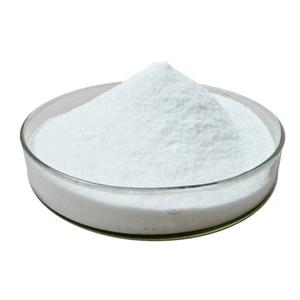
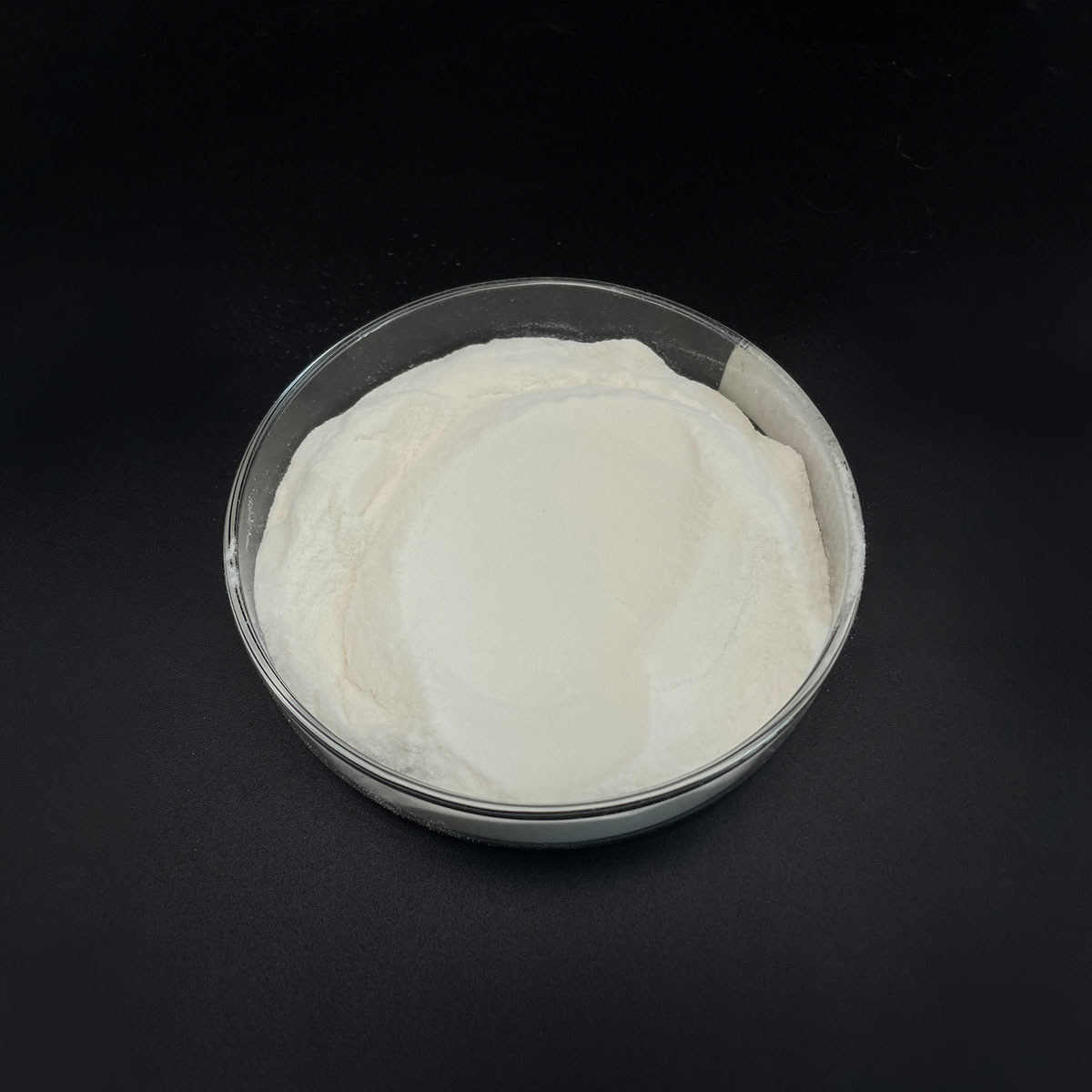
Supplier of Concrete Superplasticizer PCE Powder polycarboxylate superplasticizer price


(TRUNNANO PCE Powder)

Distributor of Concrete Superplasticizer PCE Powder

TRUNNANO is a supplier of Concrete PCE Powder with over 12 years experience in nano-building energy conservation and nanotechnology development. It accepts payment via Credit Card, T/T, West Union and Paypal. Trunnano will ship the goods to customers overseas through FedEx, DHL, by air, or by sea. If you want to know more about polycarboxylate superplasticizer price, please feel free to contact us and send an inquiry.

Inquiry us


    Explore fast neutron shielding materials: B4C Boron Carbide Polyethylene Sheet boron carbide uses for crucibles

    Standard features of B4C

    Boron carbide (B4C) is an inorganic compound with a solid framework, mainly made up of boron and carbon elements. Its excellent properties in numerous applications make it an important useful product. The density of B4C is about 2.52 g/cm ³, which is lighter than various other typical protecting products. In addition, the melting point of B4C is as high as 2450 ° C, permitting it to keep good structure and performance in high temperature settings.

    B4C has an exceptionally high neutron absorption cross-section, and its securing impact on rapid neutrons is especially considerable. Neutrons are generally not bound by typical products such as lead or aluminum, and B4C can successfully soak up neutrons and transform them into gamma rays, therefore lowering the dangerous impacts of radiation. Consequently, B4C comes to be a suitable selection for producing neutron protecting products.


    (TRUNNANO Boron Carbide Powder)

    The role of polyethylene

    Polyethylene (PE) is an usual thermoplastic that is commonly utilized in different fields due to its excellent optical, chemical and electrical insulation properties. In nuclear radiation defense, integrating B4C with polyethylene can not just boost the toughness and wear resistance of the material, however additionally reduce the overall weight of the product, making it much easier to install and apply.

    When polyethylene guards neutrons, it slows them down by hitting them. Although the neutron absorption ability of polyethylene is far less than that of B4C, its slowdown and buffering homes can be fully utilized in the layout of composite products to improve the total protecting result.

    Preparation procedure of B4C polyethylene board

    The procedure of producing B4C polyethylene composite panels includes several actions. First, high-purity B4C powder should be prepared through high-temperature solid-phase synthesis. After that, the B4C powder is mixed with polyethylene material in a specific percentage. Throughout the blending process, B4C bits are uniformly distributed in the polyethylene matrix by utilizing mechanical stirring and hot pushing.

    After molding, annealing is done. This process helps launch internal stress and anxiety and improve the total performance of the product. Ultimately, the completed B4C polyethylene panels are reduced into the required requirements to help with subsequent building and construction and usage.


    (TRUNNANO Boron Carbide Powder)

    Vendor of Boron Carbide Powder

    TRUNNANO is a supplier of 3D Printing Materials with over 12 years experience in nano-building energy conservation and nanotechnology development. It accepts payment via Credit Card, T/T, West Union and Paypal. Trunnano will ship the goods to customers overseas through FedEx, DHL, by air, or by sea. If you want to know more about boron carbide uses for crucibles, please feel free to contact us and send an inquiry.

    Inquiry us


      Supplier of Metal Powder 304 stainless steel

      About Metalinchina

      Metalinchina is a trusted global chemical material supplier & manufacturer with over 12 years experience in providing super high-quality metals and metal alloy. The company export to many countries, such as USA, Canada,Europe,UAE,South Africa, etc. As a leading nanotechnology development manufacturer, Metalinchina dominates the market. Our professional work team provides perfect solutions to help improve the efficiency of various industries, create value, and easily cope with various challenges. If you are looking for high quality 304 stainless steel, please feel free to contact us(nanotrun@yahoo.com)

      Inquiry us


        Application of titanium nitride coating in various fields pvd coated stainless steel sheet

        Titanium nitride finishing, additionally referred to as titanium nitride (TiN), is a special metal-ceramic product having metal and non-metal components. Its primary elements are nitrogen and titanium, of which nitrogen represent about 80% and titanium accounts for about 20%. This coating has high solidity, use resistance and corrosion resistance, so it is widely used in many fields.


        (TRUNNANO titanium nitride powder)

        The prep work methods of titanium nitride layer mainly include physical vapor deposition and chemical vapor deposition. Amongst them, physical vapor deposition includes multi-arc and sputtering deposition methods, while chemical vapor deposition is reasonably much less utilized. The benefit of physical vapor deposition is that the coating has excellent efficiency and excellent usage impact.

        The application of titanium nitride covering is extremely substantial, mainly including the following elements:

        1. Cutting devices: Titanium nitride finishing can improve the wear resistance and warmth resistance of the tool, prolong its life by 3 to 4 times, and appropriates for mechanical equipment such as gear hobs.

        2. Developing tools and molds: Titanium nitride covering can enhance its handling efficiency and use resistance and is widely made use of in cutting devices, developing devices and mold and mildews.

        3. Biomedicine: Titanium nitride can be used to treat genetic heart condition occluders as a result of its excellent biocompatibility and lower the threat of thrombosis.

        4. Car front windscreen film: Nano ceramic film has the benefits of not securing signals and good warm dissipation, which transcends to various other types of vehicle insulation movies.


        ( TRUNNANO titanium nitride powder)

        Provider of Titanium Nitride Powder

        TRUNNANO is a supplier of 3D Printing Materials with over 12 years experience in nano-building energy conservation and nanotechnology development. It accepts payment via Credit Card, T/T, West Union and Paypal. Trunnano will ship the goods to customers overseas through FedEx, DHL, by air, or by sea. If you want to know more about pvd coated stainless steel sheet, please feel free to contact us and send an inquiry.

        Inquiry us


          Thermal Spray Tungsten Carbide Technology Revolutionizes Industrial Surface Treatment 304 stainless steel

          In the context of the present global environmental management wave, the limitations of the typical process of electroplating chrome are progressively arising, especially when faced with the sector’s high criteria for devices resilience, lengthy life and ecological performance, its inability to fulfill the expectations is becoming a growing number of noticeable. For this reason, thermal spraying tungsten carbide technology has actually quietly emerged as a basic service preferred by several firms with its exceptional wear and rust resistance, leading to the new fad of industrial surface area therapy.

          Thermal spraying, a high-precision surface engineering technology, is based upon the magic hand of innovative warmth sources (such as high-energy arcs, precision plasma light beams or hot burning flames) to promptly heat picked steel or non-metal bits to a molten or semi-molten dream state. Subsequently, these small bits bring state-of-the-art dreams, with the aid of effective air movement, hit the very carefully pre-treated substrate surface properly and accurately, like a meteor across the evening skies, collecting layer by layer to build an unsurpassable safety armor-spraying deposition layer. This procedure is not only a subtle analysis of material scientific research however also a design of the excellent mix of energy and physics.


          (Tungsten Carbide Coating)

          Tungsten carbide (WC), as a radiating star in the area of thermal splashing, has an unique beauty in the chemical structure carefully woven by tungsten and carbon. Under the black hexagonal crystal body, it conceals a tough heart similar to a diamond. It also has superb electrical and thermal conductivity, along with solid resistance to acid and antacid environments. It is particularly worth mentioning that the stability of WC in the air is past imagination. It will certainly disappoint energetic oxidation up until the temperature is above 500 ℃. Its acid resistance is amazing.

          Nevertheless, although pure WC is solid, it additionally has some brittleness that is challenging to manage. However clever designers have skillfully added steel components such as titanium and cobalt, which is like placing a hard layer on WC, substantially enhancing its physical residential properties and making it much more tenacious. Worldwide of steel cutting tools, WC is even more powerful with titanium carbide, tantalum carbide and other strong combinations to create a sharp blade with phenomenal surge resistance. In addition, WC powder is also an essential and important basic material in the cemented carbide manufacturing market. Its vast array of applications and extensive influence can be seen.

          About Metalinchina

          Metalinchina is a trusted global chemical material supplier & manufacturer with over 12 years experience in providing super high-quality metals and metal alloy. The company export to many countries, such as USA, Canada,Europe,UAE,South Africa, etc. As a leading nanotechnology development manufacturer, Metalinchina dominates the market. Our professional work team provides perfect solutions to help improve the efficiency of various industries, create value, and easily cope with various challenges.
          Alt:Tungsten Carbide Coating,Tungsten Carbide powder

          Inquiry us


            Ferrotungsten powder improves the service life of wear-resistant plates, innovative technology reduces maintenance costs 304 stainless steel

            With the rapid development and technological development in the commercial area, improving the longevity and performance of materials has ended up being a crucial problem. Recently, a research institute has actually demonstrated through a collection of innovative surface treatment methods that Ferro tungsten powder for Welding Use Plates can dramatically boost the life span of wear-resistant plates and properly lower upkeep expenses.

            Use resistant plates are extensively made use of in different commercial environments, such as mining, building and construction, chemical, and manufacturing sectors. The working problems in these fields are typically extremely extreme, leading to fast wear of wear-resistant plates and constant maintenance. To resolve this challenge, scientists and designers have actually been searching for brand-new products and handling techniques to extend the life span of wear-resistant plates. Ferrotungsten Powder for Welding Use Plates is renowned for its high hardness and exceptional wear resistance. Via special surface area treatment methods, this powder can be applied to the surface of wear-resistant plates to form a protective film, dramatically enhancing the wear resistance of the wear-resistant plates.


            (Ferrotungsten Wolfram Ferro tungsten Powder for Welding Wear Plates)

            The advantages of Ferrotungsten powder in boosting the life span of wear-resistant plates

            High hardness and put on resistance: Ferrotungsten powder has a high proportion of tungsten aspect, that makes the last layer have exceptionally high hardness and excellent wear resistance. Tungsten is a high melting point steel with outstanding firmness and use resistance, which can substantially improve the wear resistance of wear-resistant plates.
            Excellent bonding strength: Ferrotungsten powder can create a good metallurgical bond with the substrate product via surface area therapy techniques such as welding or thermal splashing, making sure that the coating is not conveniently peeled off. This strong bonding pressure means that also under extreme conditions, the layer can stay secure, reducing the risk of wear and failing.
            Heat resistance: The high melting factor of tungsten enhances Ferrotungsten powder with outstanding heat resistance, enabling it to maintain excellent efficiency in high temperature atmospheres. This is especially essential for wear-resistant plates that require to work at high temperatures, as they can withstand material degradation triggered by temperature level modifications.
            Effect resistance: Coatings made from Ferrotungsten powder usually have good toughness and can hold up against a certain level of influence without damaging. This is extremely crucial for wear-resistant plates that are frequently based on influence loads, as it can prolong their service life.
            Rust resistance: Tungsten itself has great deterioration resistance, so finishes made from Ferrotungsten powder can also withstand chemical rust. In some corrosive atmospheres, this anti-corrosion performance can secure wear-resistant plates from damages and expand their life span.
            Reduce maintenance prices: As Ferrotungsten powder coating can dramatically improve the service life of wear-resistant plates, it can reduce the frequency of replacement and upkeep. This not just conserves product costs, but likewise decreases downtime, thus improving general production effectiveness and economic advantages.

            Vendor

            Metalinchina is a trusted global chemical material supplier & manufacturer with over 12 years experience in providing super high-quality metals and metal alloy. The company export to many countries, such as USA, Canada,Europe,UAE,South Africa, etc. As a leading nanotechnology development manufacturer, Metalinchina dominates the market. Our professional work team provides perfect solutions to help improve the efficiency of various industries, create value, and easily cope with various challenges. If you are looking for 304 stainless steel, please send an email to: nanotrun@yahoo.com

            Inquiry us


              A”Nanodiamond: properties, types and applications in precision polishing white diamond powder

              Nanodiamond is a nanoscale diamond structure material made up of carbon atoms with several distinct physical and chemical buildings. It has very high firmness and outstanding grinding performance. Nanodiamond is among the hardest products worldwide, with a solidity of about ten on the Mohs range, far surpassing most other products. This indicates that nanodiamond has excellent wear resistance and rust resistance and can maintain its architectural stability under extreme problems.

              Nanodiamond has an extremely low coefficient of rubbing and high grinding capacity, suitable for efficient brightening and grinding applications. Nanodiamond bits can scratch the target surface area with very sharp side angles, rapidly removing small issues, contaminants, and disproportion on the surface of the material.


              (Nano Diamond Powder)

              The fragment size of the diamond is controlled, generally in between a few nanometers and 10s of microns, and can be exactly controlled by synthetic techniques. This controllability allows ruby powder to provide personalized performance and effects in different applications.

              Solitary crystal ruby powder utilizes premium diamond as basic material and undertakes an unique crushing and forming process. The item has a regular crystal shape, a smooth particle surface area, and evident edges and edges. It is suitable for different diamond products such as metal bond abrasives, ceramic bond abrasives, various electroplating devices, composite sheets, grinding pastes, grinding fluids, and so on, fixing the problem of scratches in the field of grinding and brightening.

              Spherical polycrystalline nanodiamond describes detonation polycrystalline nanodiamond, with a solitary bit dimension of 5-10nm at the minimum. Round diamond powder with bigger particles can be provided upon demand.

              Half-cracked polycrystalline nanodiamond is a brand-new type of nanodiamond. This nanodiamond is various from detonation polycrystalline nanodiamonds. It is a nanodiamond product with a half-cracked polycrystalline structure. This product has the qualities of regular morphology, solid wear resistance, solid self-sharpening, and so on. It can be widely made use of in brightening and other areas, bringing new technical options to the brightening area.


              (Nano Diamond Powder)

              The several sorts of ruby powder presented above are especially suitable for accuracy sprucing up of optical items, silicon wafers, and so on. They can additionally be made use of for accuracy grinding wheels for polishing sapphire and jade, etc. They are also appropriate for accuracy grinding and polishing of various materials such as equipment, ceramics, gemstones, semiconductors, and so on. In addition, they can also be utilized to prepare metal-bonded diamond devices, electroplated ruby items, and other ruby tools, giving the most effective service for accuracy grinding and brightening in numerous areas.

              Distributor of Nano Ruby Powder

              TRUNNANO is a supplier of 3D Printing Materials with over 12 years experience in nano-building energy conservation and nanotechnology development. It accepts payment via Credit Card, T/T, West Union and Paypal. Trunnano will ship the goods to customers overseas through FedEx, DHL, by air, or by sea. If you want to know more about white diamond powder, please feel free to contact us and send an inquiry.

              Inquiry us


                Single layer of carbon atoms “torn” out with tape

                When speaking about graphene, we need to first state the natural mineral graphite that is commonly existing in our daily life.

                As an allotrope of carbon, graphite is a layered product, and the carbon atoms inside graphite are organized layer by layer. Carbon atoms in the same layer “hold hands” and are carefully attached, however the mix of carbon atoms between various layers is loose, like a stack of playing cards. With a gentle press, the cards will glide apart.


                (Graphene Powder)

                From the viewpoint of chemical structure, graphite is a transitional crystal between atomic crystals, metal crystals and molecular crystals. In the crystal, carbon atoms in the exact same layer type covalent bonds with sp2 hybridization, each carbon atom is linked to 3 other carbon atoms, and 6 carbon atoms form a regular hexagonal ring on the very same airplane, extending to form a sheet framework.

                If graphite is a stack of playing cards, after that graphene is among the cards in this pile of playing cards. Graphene is a two-dimensional material made up of a single layer of carbon atoms. Stacking graphene layer by layer is graphite. A 1 mm thick graphite includes about 3 million layers of graphene.

                Although graphene exists in nature, it is hard to peel off a solitary layer structure.

                Greater than twenty years earlier, Andre Geim and Konstantin Novoselov, scientists at the University of Manchester in the UK, thought that there need to be a way to get a solitary layer of graphite.

                Just how can a solitary layer of graphite be peeled off? Researchers took a very “simple and crude” method – sticking it with tape.

                “Similar to when we create a typo on paper, we will stick the typo with tape.” Based on this, researchers strongly associate that if tape can adhere to the surface area of paper, can it additionally stay with layers of graphite?


                ( TRUNNANO Graphenen Powder)

                In the experiment, researchers stuck both sides of pyrolytic graphite flakes to an unique tape, and detached the tape, the graphite sheet was divided right into two. Although the thickness of graphite at this time is still much from that of a solitary layer of graphite, scientists have actually verified the feasibility of this method – each time the tape is made use of, the graphite comes to be thinner. By demanding using this “mechanical peeling technique” to repeat the procedure, they ultimately acquired a thin sheet consisting of only one layer of carbon atoms, which is graphene.

                However, this method of continuously scrubing graphite sheets with tape to get graphene has reduced production performance and can just be utilized to prepare micron-thick graphene, and can not be mass-produced industrially.

                Later, with the enhancement of scientific and technological levels, the prep work approach of graphene has additionally made fantastic progress. Currently, in addition to this traditional physical and mechanical exfoliation method, there are likewise many approaches for preparing graphene, such as redox method, solvent exfoliation method, chemical vapor deposition, and so on

                Vendor of Graphene

                TRUNNANO is a supplier of 3D Printing Materials with over 12 years experience in nano-building energy conservation and nanotechnology development. It accepts payment via Credit Card, T/T, West Union and Paypal. Trunnano will ship the goods to customers overseas through FedEx, DHL, by air, or by sea. If you want to know more about , please feel free to contact us and send an inquiry.

                Inquiry us


                  Van der Waals Heterostructures: WS2 and Graphene Synergy in Optoelectronics 304 stainless steel

                  Tungsten disulfide (WS2) is a shift steel sulfide compound coming from the family members of two-dimensional change steel sulfides (TMDs). It has a straight bandgap and is suitable for optoelectronic and electronic applications.


                  (Tungsten Disulfide)

                  When graphene and WS2 integrate with van der Waals forces, they develop an unique heterostructure. In this structure, there is no covalent bond between the two materials, yet they communicate via weak van der Waals pressures, which means they can preserve their original electronic homes while exhibiting brand-new physical phenomena. This electron transfer process is essential for the advancement of new optoelectronic gadgets, such as photodetectors, solar cells, and light-emitting diodes (LEDs). On top of that, coupling effects may also produce excitons (electron hole pairs), which is essential for researching condensed issue physics and creating exciton based optoelectronic devices.

                  Tungsten disulfide plays a key function in such heterostructures
                  Light absorption and exciton generation: Tungsten disulfide has a direct bandgap, specifically in its single-layer form, making it a reliable light soaking up representative. When WS2 absorbs photons, it can produce exciton bound electron hole pairs, which are important for the photoelectric conversion procedure.
                  Provider separation: Under lighting problems, excitons created in WS2 can be disintegrated into cost-free electrons and holes. In heterostructures, these cost service providers can be carried to various materials, such as graphene, because of the power degree difference between graphene and WS2. Graphene, as a great electron transport channel, can advertise fast electron transfer, while WS2 adds to the accumulation of openings.
                  Band Engineering: The band framework of tungsten disulfide relative to the Fermi degree of graphene establishes the instructions and efficiency of electron and hole transfer at the user interface. By readjusting the product density, strain, or external electric area, band alignment can be regulated to enhance the splitting up and transportation of fee providers.
                  Optoelectronic detection and conversion: This sort of heterostructure can be made use of to construct high-performance photodetectors and solar batteries, as they can efficiently convert optical signals right into electric signals. The photosensitivity of WS2 incorporated with the high conductivity of graphene gives such devices high level of sensitivity and quick reaction time.
                  Luminescence features: When electrons and openings recombine in WS2, light emission can be created, making WS2 a prospective material for making light-emitting diodes (LEDs) and various other light-emitting gadgets. The visibility of graphene can improve the performance of fee shot, therefore boosting luminescence performance.
                  Logic and storage applications: Due to the complementary residential or commercial properties of WS2 and graphene, their heterostructures can likewise be put on the design of logic gateways and storage cells, where WS2 supplies the essential changing function and graphene provides a good existing path.

                  The duty of tungsten disulfide in these heterostructures is typically as a light absorbing medium, exciton generator, and crucial element in band engineering, integrated with the high electron wheelchair and conductivity of graphene, collectively promoting the advancement of new digital and optoelectronic tools.

                  Supplier

                  Metalinchina is a trusted global chemical material supplier & manufacturer with over 12 years experience in providing super high-quality metals and metal alloy. The company export to many countries, such as USA, Canada,Europe,UAE,South Africa, etc. As a leading nanotechnology development manufacturer, Metalinchina dominates the market. Our professional work team provides perfect solutions to help improve the efficiency of various industries, create value, and easily cope with various challenges. If you are looking for 304 stainless steel, please send an email to: nanotrun@yahoo.com

                  Inquiry us


                    PTFE-The unexpected king of materials hydroxypropyl methylcellulose capsules

                    PTFE, famously referred to as Teflon, was not an intended exploration. In 1938, DuPont stumbled upon this remarkable compound quite by crash, triggering a revolution in materials scientific research and commercial applications.

                    One early morning in 1938, Roy Plunkett, a young drug store, was active playing with his experiments behind-the-scenes of DuPont. His task appeared easy: discover a brand-new cooling agent.


                    (Roy and his colleagues)

                    Nevertheless, just when Roy thought it was simply a regular job, things deviated. He saved the tetrafluoroethylene gas in a cyndrical tube and stated to himself: “Okay, see you tomorrow.” The following day, when he returned to continue his experiment, he located that the gas had actually strangely vanished, leaving just a heap of white powder. Well, this was definitely various from the manuscript he intended. Envision his expression back then: half baffled, half curious. Upon more examination, he uncovered that this odd white powder had some cool superpowers: it was hostile to almost all chemicals, could stay amazing at extreme temperatures, and was as slippery as oil. Unexpectedly, Luo realized that while he had yet to locate a brand-new refrigerant, he had inadvertently discovered the secret ingredient of the kitchen area superhero of the future – non-stick frying pans. From then on, frying eggs was no more a difficulty, and cleansing pots became a breeze.

                    Although the exploration of PTFE was unintentional, it had big advanced importance for the plastics industry and many various other fields, such as aerospace, automobiles, electronics, and devices. PTFE is extensively made use of as a result of its one-of-a-kind chemical and physical properties – extremely reduced rubbing coefficient, high-temperature resistance, chemical security, and non-stickiness. From kitchen area tools to vital parts of the space capsule, PTFE made numerous cutting-edge applications possible. However while PTFE (Teflon ®) noted a revolutionary breakthrough in materials science, it was only the beginning of a long and challenging roadway to commercialization and extensive application. The first difficulty was not just to find a new material but likewise to determine just how to attain massive production and just how to use it in various areas.

                    The processes of monomer synthesis and controlled polymerization of PTFE were not completely created, making it difficult to produce PTFE in big amounts or a viable way. While the material’s special properties were beneficial ultimately application, they additionally postured substantial obstacles during the manufacturing process. Unlike other common plastics, PTFE is not soluble in solvents, acids, or bases and does not merge a flowable liquid. Instead, when warmed, it becomes a hard, clear gel that does not melt and moves like plastics.


                    (Roy’s Notes: Discovery of PTFE)

                    To overcome these challenges, researchers and designers battled to locate procedures from various other areas, such as adapting strategies from steel and ceramic handling. To form PTFE, a procedure called paste extrusion was utilized, which was obtained from ceramic handling. Although traditional molding and creating methods had some trouble processing PTFE, it was feasible to develop PTFE parts. By 1947, considerable research and experimentation had borne fruit, and a small-scale production facility was established in Arlington, New Jersey. This marked the start of Teflon ®’s journey from the lab to the marketplace. In 1950, DuPont opened up a new plant in Parkersburg, West Virginia, considerably broadening the industrial manufacturing of Teflon ®. That very same year, the modern technology crossed the Atlantic when Imperial Chemical Industries developed the first PTFE plant outside the United States in the UK.

                    Provider of PTFE Powder

                    TRUNNANO is a supplier of 3D Printing Materials with over 12 years experience in nano-building energy conservation and nanotechnology development. It accepts payment via Credit Card, T/T, West Union and Paypal. Trunnano will ship the goods to customers overseas through FedEx, DHL, by air, or by sea. If you want to know more about hydroxypropyl methylcellulose capsules, please feel free to contact us and send an inquiry.

                    Inquiry us