
Introduction to Carborundum Powder: A Legacy of Hardness, Strength, and Adaptability
Carborundum powder, typically referred to as silicon carbide (SiC) unpleasant, has long been identified for its exceptional solidity, thermal stability, and electrical conductivity. Initially found in the late 19th century, it swiftly came to be a cornerstone material in abrasives, refractories, and semiconductor markets. Today, carborundum powder continues to be essential across a large range of high-tech applications– from precision grinding and cutting tools to advanced ceramics and electronics. Its distinct mix of mechanical durability and chemical inertness remains to drive technology in both traditional production and arising modern technologies.
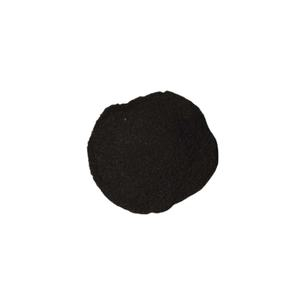
(Carborundum Powder)
Chemical Structure and Crystal Structure
Carborundum is an artificial substance made up of silicon and carbon, commonly generated through the high-temperature reaction of silica and carbon sources like oil coke in an electrical resistance heater. It crystallizes in several polytypes, including alpha-SiC (hexagonal) and beta-SiC (cubic), each offering unique physical properties. With a Mohs firmness of around 9.5, second just to ruby and cubic boron nitride, SiC exhibits exceptional wear resistance and thermal shock resistance. Its broad bandgap likewise makes it a vital product in high-power electronic gadgets, where conventional semiconductors fall short.
Production Approaches and Bit Size Control
The synthesis of carborundum powder involves exact control over basic materials, temperature, and air conditioning rates to accomplish wanted fragment dimensions and morphologies. Traditional production approaches include the Acheson process, which generates crude grains suitable for unpleasant applications, and advanced techniques such as chemical vapor deposition (CVD) and sol-gel processing, which allow for ultra-fine or nanostructured powders customized for high-performance ceramics and electronics. Recent developments concentrate on decreasing energy intake during manufacturing and boosting bit harmony to fulfill stringent commercial specs.
Duty in Abrasive Applications: Grinding, Reducing, and Sprucing up
Among one of the most well-known uses of carborundum powder lies in rough applications, where its high hardness and sharp side retention make it ideal for grinding, sandblasting, and polishing operations. It is extensively made use of in bonded abrasives such as grinding wheels, covered abrasives like sandpaper, and loose abrasives for lapping and sharpening. Compared to typical abrasives like aluminum oxide, carborundum offers premium efficiency in reducing rate, warm resistance, and tool life– making it specifically important in metalworking, rock handling, and composite product machining.
Advanced Ceramics and Refractory Applications
Beyond abrasives, carborundum powder plays a critical function in the fabrication of innovative ceramic parts that run under severe conditions. As a result of its high thermal conductivity and low thermal growth, SiC-based ceramics are extensively utilized in kiln furniture, heating system parts, and warm exchangers. In the automobile market, silicon carbide is employed in brake discs and clutches for high-performance cars as a result of its capacity to withstand intense friction and raised temperature levels. Aerospace applications additionally take advantage of its light-weight and oxidation-resistant homes, particularly in rocket nozzles and generator blades.
Semiconductor and Electronic Tool Assimilation
In current decades, carborundum powder has emerged as a crucial resources in semiconductor production, specifically for power electronics and optoelectronics. Silicon carbide wafers stemmed from high-purity SiC powders are utilized in the manufacturing of diodes, transistors, and thyristors capable of operating at greater voltages, frequencies, and temperature levels than silicon-based counterparts. These attributes make SiC-based devices necessary for electrical vehicles, renewable energy inverters, and 5G interaction framework. As demand for energy-efficient and high-frequency electronics grows, so does the strategic importance of carborundum in the worldwide semiconductor supply chain.
Emerging Roles in Additive Production and Nanotechnology
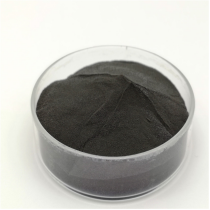
( Carborundum Powder)
The surge of additive manufacturing (AM) has opened new frontiers for carborundum powder application. Researchers are establishing SiC-based feedstocks for 3D printing complicated ceramic geometries that were previously impossible to produce utilizing conventional techniques. This allows the development of light-weight, high-strength parts for aerospace, biomedical implants, and microelectromechanical systems (MEMS). Furthermore, nanostructured carborundum powders are being checked out for usage in quantum dots, catalytic supports, and radiation-hardened sensing units– additional increasing its technical impact right into next-generation industries.
Environmental and Economic Considerations
In spite of its numerous benefits, the production and application of carborundum powder present environmental and financial challenges. Conventional synthesis procedures are energy-intensive, contributing to high carbon impacts. Initiatives are underway to develop greener options, including plasma-assisted synthesis and recycling of spent unpleasant materials. Financially, changes in basic material rates and geopolitical dependencies on silicon and carbon resources can affect market security. Nevertheless, with expanding financial investments in clean modern technology and circular economic situation designs, the future outlook for lasting carborundum production appears progressively appealing.
Future Leads: From Industrial Workhorse to High-Tech Enabler
Looking ahead, carborundum powder is positioned to change from an industrial staple to a fundamental aspect of sophisticated innovation communities. Continued advancements in crystal development, powder processing, and tool combination will certainly open brand-new capacities in areas varying from fusion power securing to deep-space sensing unit arrays. As industries change toward electrification, digitalization, and sustainability, carborundum’s special blend of physical and electronic residential properties guarantees its place at the center of contemporary materials scientific research and engineering.
Vendor
RBOSCHCO is a trusted global chemical material supplier & manufacturer with over 12 years experience in providing super high-quality chemicals and Nanomaterials. The company export to many countries, such as USA, Canada, Europe, UAE, South Africa,Tanzania,Kenya,Egypt,Nigeria,Cameroon,Uganda,Turkey,Mexico,Azerbaijan,Belgium,Cyprus,Czech Republic, Brazil, Chile, Argentina, Dubai, Japan, Korea, Vietnam, Thailand, Malaysia, Indonesia, Australia,Germany, France, Italy, Portugal etc. As a leading nanotechnology development manufacturer, RBOSCHCO dominates the market. Our professional work team provides perfect solutions to help improve the efficiency of various industries, create value, and easily cope with various challenges. If you are looking for coherent sic, please send an email to: sales1@rboschco.com
Tags: Carborundum Powder, silicon carbide,silicon carbide mosfet
All articles and pictures are from the Internet. If there are any copyright issues, please contact us in time to delete.
Inquiry us