

Introduction to Ceramic Products: Bridging Tradition with Modern Material Scientific Research
Ceramic items have developed far past their historic roots in pottery and art, becoming necessary elements in aerospace, electronics, medicine, and power systems. Defined by their inorganic, non-metallic make-up and high-temperature handling, modern-day porcelains offer unmatched efficiency in severe atmospheres. Whether as insulators in silicon chips, implants in human joints, or structural products in jet engines, ceramic items today represent a fusion of old craftsmanship and innovative nanotechnology.
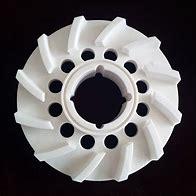
(Ceramic Products)
Category and Functional Qualities of Ceramics
Ceramic products can be broadly categorized right into typical (e.g., bricks, tiles, porcelain) and advanced (e.g., silicon nitride, zirconia, alumina) kinds based upon composition and application. Traditional porcelains are valued for their inexpensive, longevity, and aesthetic allure, while advanced porcelains master mechanical strength, thermal resistance, and electric behavior. Their special combination of hardness, rust resistance, and bio-inertness makes them important where steels and polymers fail, especially under high anxiety, temperature, or chemical exposure.
Production Processes and Technological Advancements
The manufacturing of ceramic items entails powder synthesis, shaping, sintering, and ending up– each step critical to achieving wanted properties. Developments such as stimulate plasma sintering, additive production, and colloidal processing have considerably enhanced dimensional accuracy, microstructural control, and functional integration. These developments permit intricate geometries and multi-functional styles that were previously difficult with standard techniques like slip spreading or completely dry pressing. Such progression has expanded the scope of ceramic applications across industries.
Function in Electronics and Semiconductor Industries
In the electronic devices field, ceramic items function as substrates, capacitors, sensors, and insulating components due to their excellent dielectric properties and thermal security. Multilayer ceramic capacitors (MLCCs), as an example, are located in almost every digital tool, from smartphones to electric vehicles. Alumina and light weight aluminum nitride substrates are commonly utilized in power components and LED warm sinks, making certain effective thermal monitoring and lasting dependability in high-performance systems.
Medical Applications: Bioceramics and Implantable Instruments
Bioceramics represent one of the fastest-growing sections in the ceramic item market. Products like hydroxyapatite, alumina, and zirconia are made use of in oral implants, bone substitutes, and joint prostheses as a result of their biocompatibility and use resistance. Unlike metal implants, ceramic-based tools minimize ion leaching and lessen allergies, making them perfect for lasting implantation. Recent advancements in permeable scaffolds and bioactive glass-ceramics further boost tissue assimilation and regenerative capabilities in medical treatments.
Aerospace and Defense: Ceramics in Extreme Conditions
Ceramic items play an essential duty in aerospace and defense systems where materials have to stand up to severe temperatures, stress, and effect. Elements such as wind turbine blades, projectile nose cones, and thermal security tiles rely upon ceramics like silicon carbide and zirconium dioxide to maintain architectural integrity under hypersonic rates and re-entry problems. Their lightweight nature integrated with high compressive strength likewise makes them attractive for armor plating and ballistic protecting in military applications.
Environmental and Energy Technologies Making Use Of Ceramics
( Ceramic Products)
From gas cells to nuclear waste encapsulation, ceramic products are central to lasting energy and environmental remediation technologies. Strong oxide gas cells (SOFCs), for example, depend upon yttria-stabilized zirconia electrolytes to allow effective energy conversion at heats. In nuclear engineering, porcelains like SYNROC (artificial rock) are developed to debilitate radioactive isotopes in stable crystalline matrices. Furthermore, catalytic ceramic membranes are being released in water filtration and industrial emission control, adding to international sustainability efforts.
Market Trends and Global Demand Drivers
The global ceramic items market is seeing robust growth, fueled by demand from electronic devices, health care, automobile, and renewable energy markets. Asia-Pacific stays the largest producer and consumer, driven by China’s manufacturing prominence and Japan’s management in sophisticated ceramics. North America and Europe comply with very closely, sustained by R&D investments in wise ceramics and eco-friendly innovation initiatives. As automation and electronic style devices end up being extra integrated into ceramic manufacturing, production effectiveness and customization capacities remain to increase.
Challenges and Future Directions in Ceramic Item Growth
In spite of their advantages, ceramic items face challenges consisting of brittleness, limited ductility, and high processing expenses. Recurring research focuses on improving toughness through nanostructuring, composite reinforcement, and self-healing mechanisms. Reusing and end-of-life healing also continue to be locations for renovation, particularly in high-value however difficult-to-reprocess elements. Looking forward, the convergence of AI-guided material style, 3D printing, and wise sensing will certainly redefine how ceramic items are engineered, produced, and applied across future industries.
Vendor
Advanced Ceramics founded on October 17, 2012, is a high-tech enterprise committed to the research and development, production, processing, sales and technical services of ceramic relative materials and products. Our products includes but not limited to Boron Carbide Ceramic Products, Boron Nitride Ceramic Products, Silicon Carbide Ceramic Products, Silicon Nitride Ceramic Products, Zirconium Dioxide Ceramic Products, etc. If you are interested, please feel free to contact us.(nanotrun@yahoo.com)
Tags:
All articles and pictures are from the Internet. If there are any copyright issues, please contact us in time to delete.
Inquiry us