
Introduction to Penetrating Seal Treating Brokers: A Critical Development in Concrete Security
Penetrating seal curing representatives (PSCAs) have actually emerged as a transformative remedy in concrete technology, using dual benefits of surface sealing and interior hydration improvement. Unlike conventional membrane-forming healing compounds, PSCAs permeate deep right into the concrete matrix, responding chemically with complimentary lime and other results to form insoluble crystalline structures. This response not only seals micro-cracks and capillary pores but additionally enhances compressive strength and long-lasting sturdiness. As framework needs expand for more resilient and sustainable products, PSCAs are playing an increasingly essential function in expanding the life span of concrete structures.
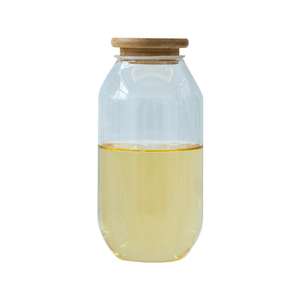
(Penetrating Seal Curing Agents)
Chemical Structure and Working System
Passing through seal curing representatives are usually composed of silicates– most frequently lithium, salt, or potassium silicates– along with responsive catalysts and surfactants that enhance infiltration depth and chemical sensitivity. Upon application, these agents infiltrate the permeable structure of fresh or hardened concrete and react with calcium hydroxide, a result of concrete hydration, to develop calcium silicate hydrate (C-S-H) gel and insoluble crystalline precipitates. These developments efficiently block water ingress, chloride ion infiltration, and carbonation, which are primary reasons for concrete deterioration. The self-sealing capacity of PSCAs makes them specifically useful in aggressive settings such as aquatic structures, wastewater therapy plants, and bridge decks.
Benefits Over Traditional Treating Methods
Conventional curing approaches, including damp burlap, ponding, and membrane-forming compounds, usually fall brief in regards to performance, labor strength, and ecological effect. On the other hand, passing through seal healing agents use an extra effective, resilient, and green alternative. They do not vaporize or break down gradually, removing the requirement for duplicated applications. Furthermore, due to the fact that they chemically bond with the concrete substrate, PSCAs supply permanent protection without changing surface aesthetics or slip resistance. Their use likewise contributes to power savings by lowering the requirement for maintenance and repair, therefore lowering the lifecycle cost of concrete frameworks.
Application Across Framework and Industrial Sectors
The adaptability of penetrating seal treating agents has resulted in their adoption throughout a wide variety of building and construction applications. In facilities jobs such as highways, flight terminals, and tunnels, PSCAs help secure versus freeze-thaw damages, deicing chemicals, and abrasion. In industrial floor covering, they boost dust-proofing and use resistance, boosting indoor air quality and decreasing maintenance downtime. Residential and industrial buildings take advantage of enhanced moisture resistance in structures, basements, and parking lot. Moreover, their compatibility with different sorts of concrete– including green concrete with high fly ash or slag content– makes them a preferred option for sustainable construction practices aiming to reduce embodied carbon.
Market Patterns and Technical Developments
The global market for permeating seal curing agents is increasing due to rising demand for high-performance building and construction products and stricter regulatory standards on structure resilience and sustainability. Producers are purchasing R&D to create next-generation PSCAs with improved infiltration deepness, faster response kinetics, and decreased application times. Developments consist of hybrid formulas that integrate silicate-based chemistry with nano-silica or polymer-modified systems, providing premium performance in severe problems. In addition, clever distribution systems such as fogging and low-pressure spray modern technologies are being embraced to make certain uniform protection and optimal product application. Digital tools like moisture sensors and anticipating analytics are also being integrated to keep track of healing efficiency in real-time.
Environmental Effect and Sustainability Considerations
Permeating seal treating agents are typically taken into consideration eco benign contrasted to solvent-based sealers and traditional curing membranes. The majority of formulas are water-based, non-flammable, and release minimal unpredictable organic compounds (VOCs). Nevertheless, problems remain regarding the sourcing of basic materials and the possibility for alkalinity-related impacts throughout manufacturing. To attend to these problems, scientists are discovering bio-based activators, recycled silicate resources, and low-carbon synthesis routes. Furthermore, the prolonged life span of cured concrete minimizes the regularity of demolition and restoration, straightening with circular economic climate principles and contributing to general carbon reduction in the developed environment.
Future Overview: Smart Products and Integrated Solutions
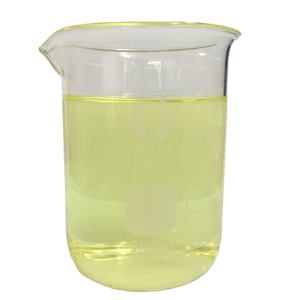
( Penetrating Seal Curing Agents)
Looking ahead, the advancement of passing through seal healing agents will be driven by innovations in nanotechnology, clever materials, and digital combination. The growth of receptive PSCAs that can adjust to transforming environmental conditions– such as humidity-triggered activation or self-healing behavior– could reinvent concrete maintenance approaches. Integration with Structure Details Modeling (BIM) and Net of Points (IoT)-allowed tracking systems will permit data-driven decisions on product efficiency and maintenance organizing. As cities encounter increasing environment stress and maturing framework, the adoption of innovative healing innovations like PSCAs will certainly be important in making certain structural resilience and durability for future generations.
Supplier
TRUNNANO is a supplier of boron nitride with over 12 years of experience in nano-building energy conservation and nanotechnology development. It accepts payment via Credit Card, T/T, West Union and Paypal. Trunnano will ship the goods to customers overseas through FedEx, DHL, by air, or by sea. If you want to know more about potassium silicate, please feel free to contact us and send an inquiry(sales5@nanotrun.com).
Tags: concrete addtives, Penetrating Seal Curing Agents, Lithium-Based Curing Agent Seal Concrete Agent
All articles and pictures are from the Internet. If there are any copyright issues, please contact us in time to delete.
Inquiry us