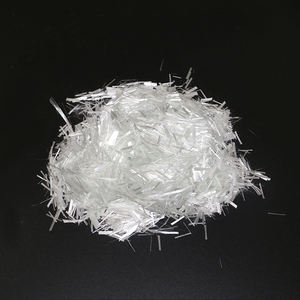

Introduction to Polypropylene Fiber: A Game-Changer in Cementitious Composites
Polypropylene fiber has emerged as a transformative additive in concrete modern technology, providing superior fracture control, effect resistance, and durability without compromising workability or cost-efficiency. As building demands shift towards sustainability, resilience, and efficiency optimization, polypropylene fibers– synthetic, polymer-based filaments– are being increasingly integrated right into cementitious systems to boost mechanical residential properties at both the micro and macro degrees. Their extensive adoption shows a more comprehensive market pattern towards innovative composite products that improve structural long life while decreasing maintenance and lifecycle expenses.
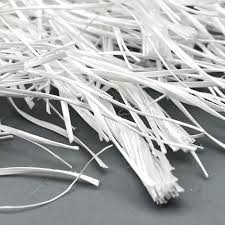
(Polypropylene (PP) Fibers)
Structure and Physical Characteristics
Polypropylene fiber is stemmed from thermoplastic polyolefin polymers, recognized for their high chemical resistance, low density (0.91 g/cm SIX), and hydrophobic nature. These fibers generally range from 6 mm to 50 mm in size and 10– 50 microns in diameter, with surface area textures crafted to improve bonding within the concrete matrix. Unlike steel fibers, polypropylene fibers do not corrode, making them excellent for settings subjected to moisture, chlorides, or hostile chemicals. Their melting point (~ 160 ° C) and fairly low modulus of flexibility permit thermal security and adaptability in dynamic filling conditions. These characteristics make them especially effective in controlling plastic contraction cracking throughout the early stages of concrete solidifying.
Systems of Split Control and Resilience Improvement
When consistently distributed throughout the concrete mix, polypropylene fibers function as micro-reinforcement representatives by bridging microcracks that develop throughout hydration and early-age shrinkage. This device substantially minimizes the width and proliferation of splits, enhancing the product’s tensile toughness and power absorption capacity. Furthermore, the existence of fibers hampers the access of water, chlorides, and sulfates, consequently enhancing resistance to freeze-thaw cycles, corrosion, and chemical attack. In fireproof applications, polypropylene fibers play a crucial role by creating microchannels during high-temperature exposure, enabling vapor pressure to run away and decreasing eruptive spalling in architectural concrete aspects.
Applications Throughout Civil Engineering and Facilities Projects
Polypropylene fiber-reinforced concrete (PFRC) is currently commonly utilized throughout diverse construction sectors. In tunnel cellular linings and underground structures, it enhances fire resistance and resilience under cyclic loading. In industrial floor covering and sidewalks, PFRC improves abrasion resistance and load-bearing capability while lowering the need for conventional mesh support. Marine and coastal framework benefit from its rust resistance in saline settings. Furthermore, polypropylene fibers are integral to shotcrete applications in incline stabilization and mining as a result of their capability to boost communication and decrease rebound. Their compatibility with automated pumping and splashing systems further supports performance in massive procedures.
Relative Advantages Over Conventional Support Methods
Compared to standard steel support or artificial alternatives like glass or carbon fibers, polypropylene fibers supply distinctive benefits. They are light-weight, non-corrosive, and chemically inert, eliminating issues related to rust discoloration or destruction over time. Their ease of blending and diffusion makes certain consistent efficiency without calling for specialized devices or labor-intensive positioning techniques. From a financial standpoint, polypropylene fibers offer cost-effective reinforcement solutions that reduced material usage, minimize maintenance regularity, and prolong service life. Furthermore, their ecological nonpartisanship and recyclability align with green building standards and circular economic situation concepts.
Developments Driving Next-Generation Polypropylene Fiber Technologies
Ongoing research and development initiatives are pressing the limits of polypropylene fiber performance. Surface modification techniques– consisting of plasma treatment, implanting, and nano-coating– are being checked out to improve interfacial bonding in between the fiber and concrete matrix. Hybrid solutions including nano-silica or bio-based polymers intend to boost mechanical performance and sustainability. Functionalized fibers with antimicrobial or self-healing properties are likewise under growth to attend to microbial-induced destruction and autogenous split repair work in concrete frameworks. On the other hand, wise polypropylene fibers embedded with noticing capabilities are being tested for real-time structural health tracking, signifying a brand-new age of intelligent building materials.
Environmental Impact and Sustainability Considerations
( Polypropylene (PP) Fibers)
While polypropylene is originated from petroleum-based feedstocks, innovations in polymer chemistry and reusing technologies are alleviating its environmental footprint. Some makers are presenting bio-based polypropylene variants sourced from renewable feedstocks, reducing reliance on nonrenewable fuel sources. Recyclable fiber-reinforced concrete compounds are also obtaining grip, especially in demolition and remodelling tasks where redeemed materials can be reintegrated into new blends. Life-cycle analyses indicate that the long-term sturdiness benefits of polypropylene fiber outweigh preliminary manufacturing emissions, placing it as a net-positive factor to sustainable building and construction when used properly and efficiently.
Market Fads and Global Sector Expansion
The global market for polypropylene fiber in building and construction is experiencing constant growth, driven by increasing need for long lasting, low-maintenance facilities throughout Asia-Pacific, The United States And Canada, and Europe. Federal governments and personal developers are significantly embracing fiber-reinforced concrete in transport networks, city water drainage systems, and disaster-resilient real estate. Technological collaborations between polymer producers and construction firms are increasing item technology and application-specific modification. Digital devices such as AI-driven dosage optimization and BIM-integrated style are further enhancing the accuracy and efficiency of polypropylene fiber applications. As regulatory structures emphasize carbon reduction and resource effectiveness, polypropylene fiber is poised to end up being a basic component in next-generation concrete specs.
Future Expectation: Combination with Smart and Eco-friendly Structure Equipment
Looking ahead, polypropylene fiber is set to evolve together with emerging fads in wise framework and sustainable building and construction. Assimilation with Web of Points (IoT)-allowed tracking systems will allow real-time responses on structural integrity and fiber performance. Breakthroughs in naturally degradable polymers might lead to fully decomposable fiber variants ideal for short-term structures or ecologically delicate sites. The merging of polypropylene fiber modern technology with 3D printing, modular construction, and AI-assisted product modeling will unlock new design possibilities and efficiency standards. As the constructed environment faces boosting environment and functional obstacles, polypropylene fiber sticks out as a functional, resilient, and forward-looking solution for strengthening the foundations of modern-day human being.
Provider
Cabr-Concrete is a supplier of Concrete Admixture under TRUNNANO with over 12 years of experience in nano-building energy conservation and nanotechnology development. It accepts payment via Credit Card, T/T, West Union and Paypal. TRUNNANO will ship the goods to customers overseas through FedEx, DHL, by air, or by sea. If you are looking for high quality fibre concrete industries, please feel free to contact us and send an inquiry(sales5@nanotrun.com).
Tags: polypropylene fiber, pp fibre, polypropylene fibers for concrete
All articles and pictures are from the Internet. If there are any copyright issues, please contact us in time to delete.
Inquiry us